
Contact Wire: Advancing Reliable Overhead Electrification for Modern Rail Systems
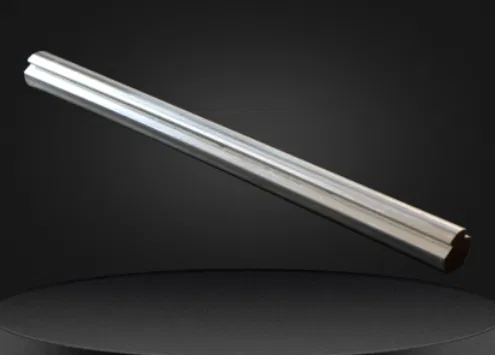
Modern railway networks depend on reliable electrification systems to provide consistent power to trains and support efficient transportation. Within these systems, the contact wire is a critical component because it provides the electrical interface between the overhead network and the train's current collection equipment. Choosing a suitable contact wire can therefore play an important role in maintaining dependable railway operations.
Contact wires operate in demanding conditions. They must continuously interact with train-mounted current collectors while remaining correctly positioned along the railway route. This repeated mechanical contact creates requirements for electrical conductivity, strength, wear resistance, and dimensional stability. A well-engineered wire needs to balance these characteristics to support long-term performance.
Copper-based alloys are widely considered for contact wire applications because copper provides excellent electrical conductivity. However, railway systems also require mechanical properties that can withstand continuous contact and environmental exposure. Alloying copper with carefully selected elements can help improve characteristics such as strength, hardness, and resistance to wear while retaining useful electrical performance.
One example is copper-chromium-zirconium alloy technology. This material combination can offer a practical balance of conductivity and mechanical performance for demanding electrical applications. The addition of alloying elements can enhance the material's strength and durability compared with conventional copper, making it suitable for environments where repeated mechanical interaction is expected.
Wear resistance is particularly important in railway electrification. Trains may operate thousands of times along the same route, creating repeated interaction between the contact wire and current collector. Excessive wear can increase maintenance requirements and eventually affect system reliability. Selecting an appropriate wire material can help infrastructure operators manage these long-term demands.
Electrical conductivity remains equally essential. The contact wire must transfer electrical energy efficiently while supporting the power requirements of the railway system. Engineers therefore need to consider both electrical and mechanical properties when evaluating different material options.
Environmental conditions also influence contact wire performance. Railway infrastructure can be exposed to rain, wind, sunlight, humidity, temperature changes, and atmospheric pollutants. A suitable material and manufacturing process can help ensure that the wire remains capable of performing under the expected environmental conditions.
Installation is another major consideration. Contact wires must be positioned and tensioned accurately to maintain consistent interaction with the train's current collection system. Professional installation and appropriate maintenance procedures are essential for achieving the intended performance of the complete overhead electrification network.
Railway operators also benefit from durable components because maintenance activities can affect service schedules and operating costs. A contact wire with suitable mechanical and wear characteristics can contribute to longer service intervals when properly specified and maintained, helping infrastructure teams manage ongoing maintenance requirements more effectively.
The demand for railway electrification continues to grow as cities and regions invest in efficient public transportation. Urban rail, high-speed railway, commuter networks, and other electrified transport systems all require dependable overhead equipment. As networks expand, the quality of fundamental components such as contact wires becomes increasingly important.
When selecting a contact wire, project teams should evaluate conductivity, tensile strength, hardness, wear resistance, dimensions, operating conditions, and compatibility with the broader electrification system. Material specifications and applicable industry standards should also be reviewed before procurement and installation.
For railway infrastructure developers and operators seeking reliable overhead electrification components, contact wire is an important product category to consider. Copper-chromium-zirconium alloy technology can provide a valuable combination of electrical conductivity and enhanced mechanical properties for demanding applications. With careful specification, professional installation, and appropriate maintenance, a quality contact wire can contribute to stable, efficient, and dependable railway electrification for the long term.

 English
 Arabic
 French
 Spanish
 Portuguese
 Turkish
 Dutch
Dutch
 Italiano
 Russian
 Romaian
 Portuguese (Brazil)
 Greek
Greek
 Hrvatski
 Cehoslowakia