


Benefits of Modern Spinal Decompression Therapy in 2026
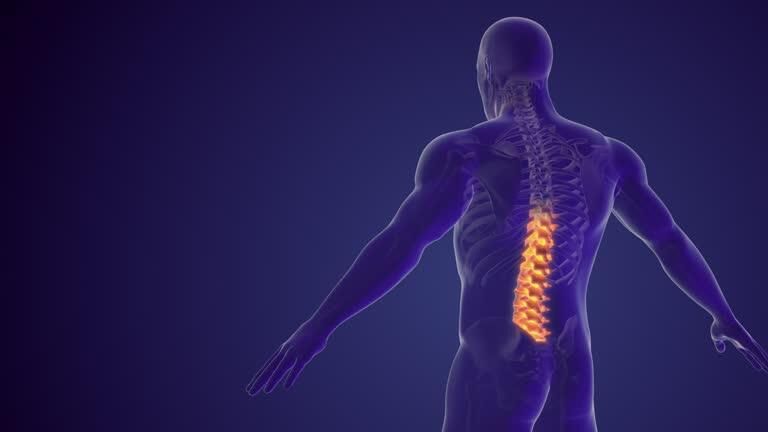
Back pain treatment has undergone remarkable transformation over the past decade. In 2026, patients have access to more effective non-surgical options than ever before. Modern technology, refined clinical protocols, and stronger research evidence are driving this progress. Spinal decompression therapy sits at the forefront of this treatment revolution. Its benefits have become more clearly documented and more widely accessible in 2026.
The Evolution of Spinal Decompression Technology
Early traction devices were simple, manual, and imprecise in their application. They applied constant pulling forces without the ability to vary or monitor tension. This approach was uncomfortable and often triggered protective muscle guarding. Modern spinal decompression technology is fundamentally different in every way. Computerized motorized tables now control every parameter of the treatment session precisely.
Real-time biofeedback systems monitor patient response throughout the session. If muscle resistance is detected, the table automatically adjusts the applied force. This adaptive technology makes modern decompression more effective and comfortable. Treatment parameters are customized based on body weight, injury type, and patient response. These technological advancements represent a significant leap forward from earlier traction methods.
FDA-Cleared Decompression Devices in 2026
Multiple FDA-cleared decompression devices are in widespread clinical use today. The DRX9000, VAX-D, and Triton DTS are among the most established systems. Each system applies computer-controlled, alternating traction forces to the spine. The alternating tension-relaxation cycle is the defining feature of modern decompression. It creates the therapeutic intradiscal pressure changes responsible for disc healing. Clinics investing in these systems signal a commitment to evidence-based treatment.
Key Benefits of Modern Spinal Decompression Therapy
The benefits of modern spinal decompression therapy are numerous, measurable, and clinically supported. Understanding these benefits helps patients evaluate whether this therapy is right for them.
Non-Surgical Relief for Serious Disc Conditions
One of the most significant benefits is the avoidance of spinal surgery. Disc herniations, sciatica, and degenerative disc disease often lead patients toward surgical consultation. Surgery carries real risks including infection, nerve damage, and failed back syndrome. Modern decompression provides a powerful non-surgical alternative for many of these patients. Studies report that a majority of appropriate candidates avoid surgery through decompression. This is arguably the most life-changing benefit for many patients seeking care.
Targeted Treatment of the Root Structural Cause
Many pain management approaches focus exclusively on symptom suppression. Medications reduce pain temporarily but do not address the disc pathology causing it. Injections provide temporary relief without correcting the structural problem. Modern spinal decompression addresses the actual disc herniation or degeneration directly. By retracting disc material and restoring disc hydration, it targets the root cause. This distinction makes decompression a fundamentally superior long-term solution for many patients.
Improved Disc Hydration and Structural Health
Spinal discs require adequate hydration to function as effective shock absorbers. Compression from daily activity progressively dehydrates the disc over time. Modern decompression creates the negative pressure necessary to draw fluid back in. Studies have documented measurable increases in disc height following decompression protocols. This improvement in disc structure directly corresponds with reduced pain and better function. Restoring disc health is a unique benefit that few other treatments can claim.
Superior Comfort Compared to Older Treatment Methods
Modern decompression equipment is specifically engineered for patient comfort. Padded harness systems distribute forces evenly across the pelvis and trunk. The rhythmic nature of the tension cycles prevents the discomfort of sustained pulling. Most patients describe sessions as relaxing, with many falling asleep during treatment. This comfort dramatically improves treatment adherence and patient satisfaction rates. Completing the full treatment protocol is essential for optimal results.
Integration With Digital Health Monitoring
In 2026, leading decompression clinics integrate digital monitoring into their protocols. Patient outcomes are tracked using validated pain and function assessment tools. Progress data informs real-time adjustments to the treatment plan. Providers can identify when additional sessions are needed or when the protocol is complete. This data-driven approach ensures that care is both efficient and effective. Patients benefit from transparent outcome tracking throughout their recovery journey.
Reduced Dependence on Pain Medications
Chronic back pain is frequently managed with long-term pain medication use. Opioids, NSAIDs, and muscle relaxants each carry significant risks and side effects. Modern spinal decompression offers an evidence-based alternative to medication-dependent pain management. As disc compression is relieved, the need for daily pain medication often decreases. Many patients report reducing or eliminating their medication use after completing decompression. This benefit extends well beyond pain relief into overall health and quality of life.
The 2026 Clinical Evidence Base
Research supporting spinal decompression therapy has grown significantly in recent years. More rigorous study designs are providing clearer evidence of effectiveness. A 2024 systematic review examined decompression outcomes across multiple clinical trials. It found consistent improvements in pain, function, and disc morphology in appropriate candidates. Long-term follow-up studies confirm that results are durable for most compliant patients.
Comparative studies have placed decompression favorably alongside surgical outcomes in selected populations. Non-surgical success rates of 70 to 90 percent are reported in high-quality studies. These figures rival surgical outcomes without the associated risks and recovery time. The growing evidence base is driving increased referrals from orthopedic and neurosurgical practices. In 2026, spinal decompression is increasingly viewed as a first-line intervention for disc-related pain.
Conditions Best Suited for Modern Decompression Therapy
Modern spinal decompression is most effective for specific structural diagnoses. Understanding which conditions benefit most helps patients determine their suitability.
Lumbar Disc Herniation
Lumbar disc herniations causing nerve root compression are the ideal indication. Decompression directly creates the negative pressure needed to retract herniated material. Patients with confirmed MRI herniations consistently achieve strong clinical outcomes. Many avoid lumbar discectomy surgery through a full decompression protocol.
Lumbar Degenerative Disc Disease
Degenerative disc disease involves progressive loss of disc height and hydration. Decompression slows this progression by improving disc nutrition and fluid content. While degeneration cannot be fully reversed, its pain and functional impact can be significantly reduced. Patients gain improved mobility, reduced pain, and better quality of life through treatment.
Sciatica From Disc Compression
Sciatica caused by disc herniation or disc bulging responds strongly to decompression. The relief of disc pressure directly reduces sciatic nerve root irritation. Radiating leg pain, numbness, and tingling often resolve or significantly improve. Many patients with severe sciatica achieve complete symptom resolution through decompression.
Access and Availability in 2026
Spinal decompression therapy is more accessible in 2026 than at any previous time. A growing number of chiropractic and physiotherapy clinics offer this service. Insurance coverage for decompression therapy has expanded in many healthcare markets. Telemedicine consultations allow patients to assess their suitability before attending in person. Urban and suburban markets have multiple provider options to choose from.
Selecting a provider who offers evidence-based Spinal decompression treatment with modern FDA-cleared equipment ensures you receive care that reflects the current standard of clinical excellence in 2026.
Combining Modern Decompression With Complementary Modalities
Modern decompression clinics do not rely on decompression alone. They integrate complementary therapies to maximize outcomes and long-term sustainability. Electrical stimulation and ultrasound therapy reduce inflammation between sessions. Heat therapy applied before sessions relaxes the paraspinal muscles for better response. Core rehabilitation exercises build the foundational spinal support needed for lasting results.
Lifestyle modification counseling is increasingly part of the modern decompression protocol. Providers educate patients on ergonomics, posture, nutrition, and activity modification. This comprehensive approach treats the whole patient rather than just the disc. The integration of lifestyle guidance with clinical treatment produces the most durable outcomes.
Conclusion
Modern spinal decompression therapy in 2026 delivers exceptional benefits for appropriate candidates. Advanced technology, stronger research evidence, and integrated care protocols define the modern standard. The benefits range from drug-free pain relief to measurable structural disc improvement. Non-surgical resolution of serious disc conditions is now achievable for many patients. With access to high-quality providers and modern equipment, lasting back pain relief is a real and attainable goal.
 Arabic
 English
 French
 Spanish
 Portuguese
 Deutsch
 Turkish
 Dutch
Dutch
 Italiano
 Russian
 Romaian
 Portuguese (Brazil)
 Greek
Greek
 Hrvatski
 Cehoslowakia