
High-Performance Aluminul clad steel wire: Engineering Excellence for Power Transmission

The global landscape of electrical infrastructure demands materials that provide not only exceptional conductivity but also the structural integrity required to withstand harsh environmental conditions and mechanical stresses. Among the advanced solutions facilitating modern power grid reliability is Aluminul clad steel wire. By ingeniously combining the mechanical strength of high-quality steel with the superior electrical conductivity and corrosion resistance of aluminum, this composite conductor has become an essential component in the design of overhead power lines, communication systems, and grounding networks.
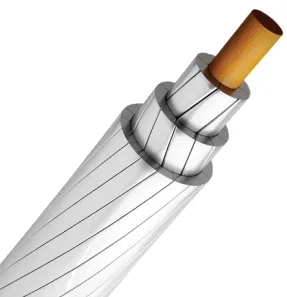
Understanding the fundamental composition of Aluminul clad steel wire is crucial for appreciating its role in contemporary utility engineering. The manufacturing process involves a permanent metallurgical bond between a central steel core and a surrounding layer of high-purity aluminum. This is not merely a mechanical wrapping; rather, the process ensures that the two distinct materials function as a singular unit. The steel core provides the necessary tensile strength, allowing for longer spans between transmission towers with reduced sagging. Simultaneously, the aluminum cladding offers the electrical properties of a non-ferrous metal while providing a robust shield against oxidation and electrolytic corrosion, which are common issues in traditional galvanized steel conductors.
In the realm of long-distance power transmission, the primary challenge for engineers is balancing sag, tension, and power loss. Aluminul clad steel wire excels in these applications because it maintains its structural dimensions under heavy ice loads or high-wind scenarios. When used in overhead line construction, this specific material provides a higher strength-to-weight ratio than many alternative conductors. The aluminum layer provides the skin effect benefit, as high-frequency currents tend to travel along the outer surface of a conductor. Since the outer layer of this wire is aluminum, it maximizes electrical efficiency while relying on the inner steel core to prevent mechanical fatigue.
The manufacturing quality of Aluminul clad steel wire is characterized by the uniformity of the cladding thickness. Advanced production facilities employ rigorous quality control standards to ensure that the aluminum bond remains intact even when the wire is subjected to bending, twisting, or spooling during installation. This level of durability is vital for projects located in coastal areas or industrial environments where salt spray or chemical pollutants would rapidly degrade standard steel wires. By utilizing this material, utility companies can significantly extend the maintenance intervals of their infrastructure, thereby reducing the total lifecycle cost of the transmission line.
Installation practices regarding Aluminul clad steel wire require a nuanced understanding of its composite nature. Because the material possesses different elongation characteristics compared to pure aluminum or pure steel conductors, specialized tensioning tools and hardware are typically employed. Ensuring that the surface of the cladding is not damaged during the stringing process is paramount. Technicians often utilize specialized stringing blocks and protective rollers to maintain the integrity of the aluminum layer, as any deep scoring could potentially expose the underlying steel core to corrosive elements. Proper training and adherence to manufacturer guidelines ensure that the wire maintains its specified performance ratings throughout its service life.
Beyond utility transmission, Aluminul clad steel wire serves as a critical component in the grounding systems of high-voltage substations. Effective grounding requires both high mechanical durability to withstand potential fault currents and excellent connectivity to the soil or grid structure. The material’s ability to remain stable over decades in buried or exposed configurations makes it a preferred choice for grounding electrodes and counterpoise systems. In these settings, it effectively bridges the gap between mechanical resilience and the electrical pathways required for safety and surge protection.
The global shift toward smart grids and the integration of renewable energy sources have further emphasized the importance of high-quality conductors. As wind farms and solar arrays are often situated in remote, environmentally demanding locations, the infrastructure connecting these sites to the main grid must be exceptionally reliable. Aluminul clad steel wire provides the necessary robustness to withstand the geographic challenges of connecting remote energy assets. Its consistency in electrical performance ensures that voltage drops are minimized over extensive distances, supporting the efficient delivery of electricity from the source to the urban consumer.
When evaluating material specifications, project planners often focus on the conductivity-to-strength ratio. Aluminul clad steel wire allows for the optimization of tower designs. Because the wire is lighter than solid steel for a comparable strength rating, transmission towers can be constructed with lighter materials or placed at greater distances from one another. This reduces the footprint of the transmission corridor and decreases the volume of concrete and steel required for structural foundations. These efficiency gains translate into lower project implementation costs and a reduced environmental impact, aligning with modern sustainability goals in the power sector.
Furthermore, the consistency of Aluminul clad steel wire in terms of its thermal expansion coefficient is a significant factor in sag control. In regions where ambient temperatures fluctuate drastically between summer and winter, conductors can expand and contract, leading to variable sag distances. The controlled thermal behavior of this composite wire helps maintain safer clearance distances between the power lines and the ground or other vegetation, thereby reducing the risk of accidental outages or wildfire ignition. This predictability is a key driver for utility operators who prioritize safety and reliability above all other metrics.
In urban infrastructure, where space is often constrained, the use of compact, high-strength conductors like Aluminul clad steel wire allows for the modernization of legacy distribution networks. Many cities are currently undergoing grid upgrades to accommodate increasing energy demands from electric vehicle charging stations and residential heating systems. Replacing outdated, lower-capacity lines with modern, cladded conductors allows utilities to increase the load-carrying capacity of existing rights-of-way without the need for massive civil works or the acquisition of new land. This approach is instrumental in urban planning and smart city initiatives that rely on stable electrical grids.
The long-term performance of Aluminul clad steel wire is also attributed to the metallurgical bond strength between the steel and the aluminum. Unlike mechanical sleeving, which can lead to moisture ingress between the layers, the metallurgical process creates a seamless transition that prevents microscopic gaps. This prevents the "galvanic cell" effect, which would otherwise accelerate the corrosion of the steel core. Consequently, the wire retains its full mechanical rating even after years of exposure to humidity, rain, and temperature cycling. The longevity of this material makes it an investment in grid stability, ensuring that energy delivery systems remain functional well beyond their expected design horizons.
As technology advances, the manufacturing techniques for Aluminul clad steel wire continue to evolve. Modern processes utilize sophisticated measurement tools to monitor the cladding thickness in real-time, ensuring that every meter of wire meets stringent international standards. This commitment to precision provides engineers with the confidence needed to utilize the material in critical applications, such as river crossings, mountain-top transmission paths, and cross-country interconnections. The ability to tailor the percentage of aluminum cladding—often expressed as conductivity levels—allows for customization based on specific project requirements, balancing the needs of the electrical circuit with the mechanical loads of the span.
The logistics of handling and deploying Aluminul clad steel wire are also optimized for efficiency. The wire is typically provided on heavy-duty drums designed to prevent deformation of the conductor during transport. Given the specialized nature of the material, storage guidelines focus on keeping the reels dry and protected from heavy debris. When the wire is eventually deployed, it exhibits excellent spooling characteristics, making it easier for line crews to manage during tensioning operations. This ease of installation reflects the maturity of the product and its status as a foundational element in electrical engineering.
While the primary function of Aluminul clad steel wire is to conduct electricity and carry mechanical load, its auxiliary benefits in signal attenuation and electromagnetic interference management are also noteworthy. In communication applications where the wire may be used in proximity to power lines, the shielding effect of the aluminum layer can assist in maintaining signal integrity. This multifaceted utility underscores why, in an era of rapid technological change, the industry continues to rely on this proven composite solution for its diverse transmission and distribution requirements.
Final Thoughts
The integration of Aluminul clad steel wire into modern electrical projects represents a fusion of mechanical strength and electrical efficiency. Its role as a reliable conductor in demanding environments is supported by decades of field performance and engineering validation. By providing a stable, corrosion-resistant, and high-strength pathway for energy transport, this material remains a cornerstone of the global power grid. As energy networks continue to expand and modernize, the necessity for robust, dependable conductors will only grow, cementing the position of this composite wire as a vital asset for future-ready infrastructure. Ongoing innovation in production and application will ensure that this material continues to meet the complex challenges of transmission engineering, enabling the safe and efficient delivery of power across diverse and evolving landscapes.