


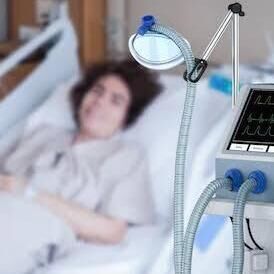
Caring for a bedridden loved one at home requires consistent attention to comfort, hygiene, nutrition, movement, and skin health. For families searching for Bedridden patient care Dubai, understanding how to prevent bed sores, also called pressure ulcers, is especially important because prolonged pressure can damage the skin and underlying tissue. A Doctor at Home can help assess a patient's risk factors and recommend an appropriate care plan when needed. With a practical daily routine and professional guidance, families can significantly reduce the risk of pressure-related skin injuries.
Understand Why Bed Sores Develop:
Bed sores develop when continuous pressure reduces blood flow to an area of the body, particularly where bones are close to the skin. Friction, shearing, moisture, poor nutrition, reduced sensation, and limited mobility can increase the risk. Common areas include the tailbone, hips, heels, elbows, shoulders, ankles, and the back of the head. A patient who cannot independently change position may remain under pressure for too long without realizing it. Older adults, people with fragile skin, and patients recovering from serious illness may require especially careful monitoring. Recognizing these risk factors early allows caregivers to create a prevention routine rather than waiting for skin damage to appear.
Reposition the Patient Regularly:
Regular repositioning is one of the most important steps in preventing pressure ulcers. The patient's position should be changed according to their individual condition, mobility, skin tolerance, and healthcare professional's recommendations rather than relying on one fixed schedule for everyone. When moving a patient, use proper lifting or transfer techniques instead of dragging the body across the sheets, as dragging can create friction and shear. Pillows or positioning supports can help distribute pressure and maintain a comfortable posture. Caregivers should also pay attention to the heels, which may need to be elevated or otherwise offloaded. Keeping a written repositioning schedule can make it easier for family members and caregivers to maintain consistent care.
Check the Skin Every Day:
Daily skin inspection helps caregivers identify early changes before they become serious wounds. Examine the skin from head to toe, paying particular attention to bony areas and places affected by medical equipment. Look for redness or discoloration, warmth, swelling, unusual hardness, tenderness, blisters, broken skin, or areas that appear different from the surrounding tissue. Skin checks can be incorporated into bathing, changing clothes, repositioning, or other routine care. If the patient has darker skin, changes may not always appear as obvious redness, so caregivers should also pay attention to differences in temperature, texture, firmness, and pain. Any concerning or persistent change should be discussed promptly with a qualified healthcare professional.
Keep the Skin Clean and Dry:
Moisture from sweating, urine, stool, or wound drainage can weaken the skin and make it more vulnerable to damage. Clean the skin gently after episodes of incontinence and pat it dry rather than rubbing vigorously. A healthcare professional may recommend an appropriate moisture-barrier product for patients exposed to frequent moisture. Bedding and clothing should also be changed whenever they become wet or soiled. Keep sheets smooth, dry, and free of wrinkles or objects that could create additional pressure. Avoid aggressive rubbing or massage over areas at risk, particularly when the skin is already fragile or discolored. Good hygiene does not replace repositioning, but it is an important part of a complete pressure-injury prevention routine.
Use Pressure-Relieving Equipment:
The right mattress, cushion, and positioning aids can help reduce pressure on vulnerable parts of the body. Depending on the patient's condition, a healthcare professional may recommend a pressure-relieving mattress, specialized cushion, heel protection, or other support surface. Equipment should be selected according to the patient's needs rather than simply choosing the most expensive option. Make sure pressure-relieving devices are used correctly and inspected regularly. Avoid improvised supports that may create concentrated pressure points. Doughnut-shaped cushions, for example, are generally not recommended because they can increase pressure around the tissue surrounding the opening.
Maintain Good Nutrition and Hydration:
Nutrition plays an important role in maintaining healthy skin and supporting the body's ability to repair tissue. A bedridden patient should receive a balanced diet appropriate for their medical condition, with adequate protein, calories, vitamins, minerals, and fluids. Patients with poor appetite, swallowing difficulties, unintended weight loss, or other nutritional concerns may need assessment by a doctor or dietitian. Caregivers can help by monitoring food and fluid intake and reporting significant changes. However, fluid or dietary requirements can differ substantially between patients, especially when kidney, heart, or other medical conditions are present. Do not introduce high-protein supplements or major dietary changes without appropriate professional advice.
Reduce Friction and Shearing:
How a patient is moved can be just as important as how often they are moved. Pulling a patient directly across the mattress can stretch and damage the skin, while sliding down in bed can create shearing forces beneath the skin. Caregivers should learn safe repositioning and transfer techniques and use appropriate aids when necessary. Keep the patient's body properly aligned and avoid leaving unnecessary objects beneath them. If the patient cannot assist with movement, family caregivers may need professional instruction to protect both the patient and themselves from injury. When the head of the bed is elevated, follow the healthcare team's positioning recommendations because excessive sliding can increase shear.
Encourage Safe Movement:
Even patients who spend most of the day in bed may be able to perform some movement, depending on their medical condition. Any safe activity can help reduce prolonged pressure and support mobility. A healthcare professional or physiotherapist can recommend suitable movements, exercises, sitting routines, or assisted transfers. Never force movement in a patient who is weak, in pain, dizzy, or medically unstable. Simple activities may include:
- Changing position with assistance.
- Performing approved range-of-motion exercises.
- Sitting up safely when medically appropriate.
- Moving the arms or legs as instructed by a therapist.
- Getting out of bed for supervised periods when appropriate.
The goal is not to make every patient mobile but to reduce unnecessary periods of uninterrupted pressure while maintaining safety.
Know When to Seek Medical Help:
Early professional assessment can prevent a small skin problem from becoming a deeper wound. Contact a healthcare professional if an area of discoloration does not improve after pressure is relieved, or if there is persistent pain, warmth, swelling, blistering, an open wound, drainage, foul odor, or other signs of deterioration. Fever or signs of spreading infection require prompt medical attention. Patients who already have a pressure ulcer should receive individualized wound-care advice rather than relying solely on home remedies. A Doctor at Home may be useful when a patient has difficulty traveling, particularly when an assessment of mobility, skin condition, nutrition, or the overall care routine is needed.
Create a Consistent Home Care Routine:
Preventing bed sores is easier when prevention becomes part of the patient's daily routine. Family members and caregivers should coordinate responsibilities so that repositioning, skin checks, hygiene, nutrition, hydration, and bedding changes are not overlooked. A simple care record can help track important observations and identify changes over time. A practical daily routine may include:
- Inspecting pressure-prone areas.
- Repositioning according to the individualized care plan.
- Checking that bedding is clean, dry, and wrinkle-free.
- Managing moisture promptly.
- Reviewing food and fluid intake.
- Checking pressure-relieving equipment.
- Recording unusual skin changes or pain.
- Communicating concerns to the patient's healthcare team.
Consistent care is particularly important when multiple caregivers are involved because clear documentation helps everyone follow the same prevention strategy.
Final Thoughts
Preventing bed sores in a bedridden patient requires more than occasional skin checks. Regular repositioning, daily skin assessment, proper hygiene, moisture management, pressure-relieving equipment, good nutrition, hydration, and safe movement all contribute to healthier skin and greater comfort. Families should also remember that prevention plans need to be individualized because every patient's mobility, medical condition, nutritional status, and risk level can differ. If you notice early signs of pressure damage or are unsure how to safely care for a bedridden family member, seek professional medical advice promptly. With a consistent prevention routine and appropriate support, caregivers can make home care safer, more comfortable, and more effective.