
 O nás
O nás
 Podmínky
 Soukromí
 Advertisment
 DMCA
DMCA
 Gmaps
Gmaps
 Rewards
 Refunds
 Vývojáři
Powering South Africa: The Strategic Guide to Battery Wholesale and Rondex Engineering
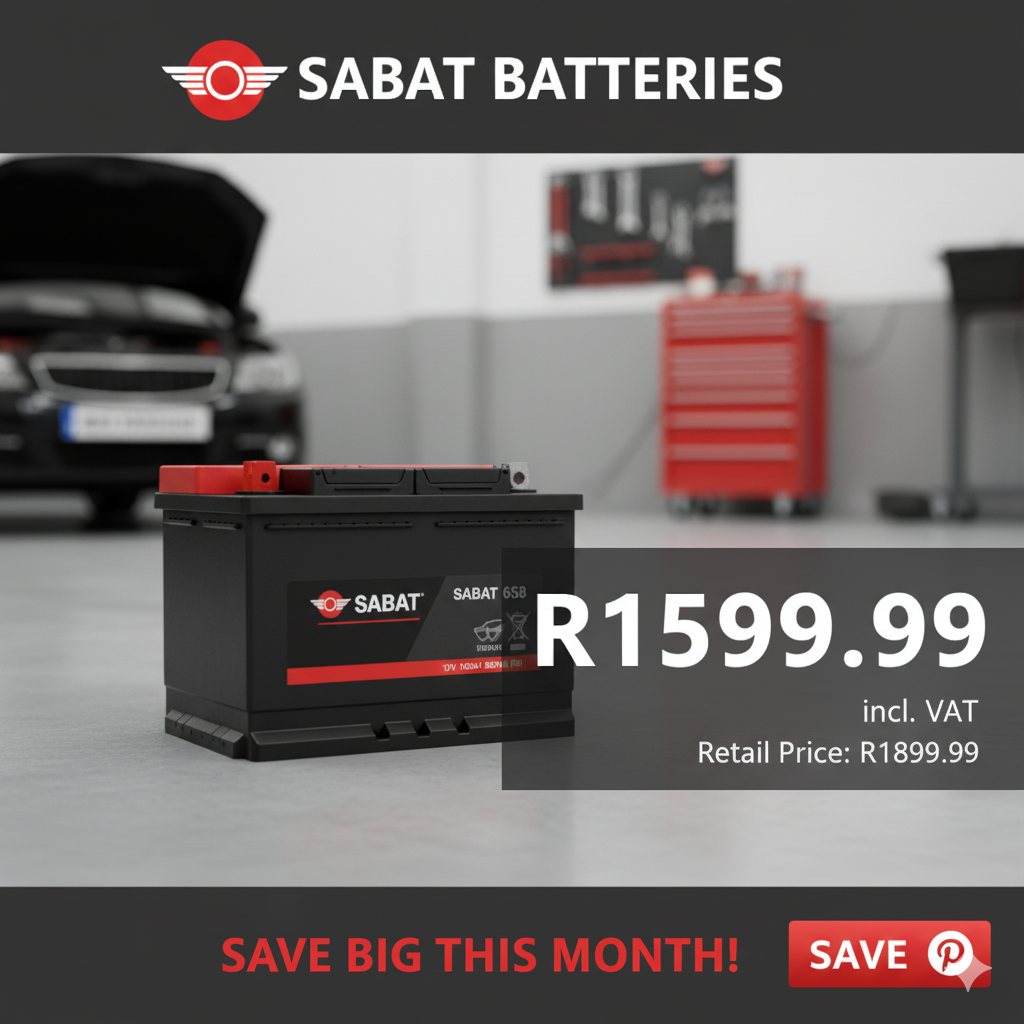
In the landscape of South African logistics, automotive retail, and fleet management, the battery is more than just a component—it is the heartbeat of mobility. Given the unique environmental and economic challenges of the region, from extreme temperature fluctuations to the high demand for reliable start-stop cycles, the choice of a battery supplier and brand is a critical business decision.
For those operating at scale, the intersection of reliable wholesale distribution and high-performance engineering is where profitability meets operational continuity. This guide explores the strategic advantages of sourcing through top-tier battery wholesale distributors and why the Rondex brand has become a staple in the South African automotive sector.
1. The Strategic Importance of Wholesale Battery Sourcing
For workshops, spare parts retailers, and logistics firms, buying batteries "off the shelf" at retail prices is an unsustainable model. To maintain a competitive edge, businesses must look toward wholesale partnerships. But wholesale is about more than just a lower price-per-unit; it's about the infrastructure of the supply chain.
Bulk Pricing and Margin Protection
The primary driver for wholesale sourcing is the economy of scale. By purchasing in bulk, businesses can insulate themselves from the frequent price fluctuations caused by the global lead market and exchange rate volatility. A strong wholesale partner provides tiered pricing that allows retailers to maintain healthy margins while offering competitive prices to the end-consumer.
Just-in-Time Inventory
Batteries are perishable goods. They have a shelf life and undergo "self-discharge" even when not in use. Sourcing from a distributor with high stock turnover ensures that the units you receive are "fresh." High-volume battery wholesale distributors utilize advanced stock rotation (First-In, First-Out) to ensure that the cold-cranking amps (CCA) and reserve capacity (RC) of every unit are at peak performance when they reach your shelves.
2. Rondex: Engineering for the African Climate
When selecting a brand to stock or install, reliability in the local climate is paramount. The Rondex battery range has carved out a significant reputation in South Africa specifically because it is designed to handle the high-heat and vibration-heavy environments typical of local roads.
Calcium-Calcium (Ca-Ca) Technology
Modern Rondex units typically utilize Calcium-Calcium alloy technology. Unlike older lead-antimony batteries, Ca-Ca batteries are essentially maintenance-free. They exhibit significantly lower water loss and have a much higher resistance to overcharging—a common issue in older vehicle charging systems or during long-distance hauls in high temperatures.
High Cold-Cranking Amps (CCA)
South African winters, particularly in the interior regions like Gauteng and the Free State, can put immense strain on a battery’s chemistry. Rondex batteries are engineered with high CCA ratings, ensuring that even on a freezing morning, the battery can deliver the necessary burst of energy to turn over high-compression engines.
3. Optimizing Battery Longevity: A Technical Sequence
Whether you are a fleet manager or a DIY enthusiast, the way a battery is handled during its first few hours of service determines its total lifespan. Follow this sequence to maximize the ROI on your Rondex investment.
1
Pre-Installation Voltage Check
Confirming State of Charge
Before installation, use a multimeter to check the resting voltage. A healthy Rondex battery should read at least 12.6V. If it is below 12.4V, it should be given a slow top-up charge to ensure the plates are fully activated.
2
Terminal Preparation
The anti-corrosion layer
Clean the vehicle's terminal connectors with a wire brush. Apply a thin layer of specialized battery terminal protector or petroleum jelly. This prevents the white lead-sulfate "creep" that causes high resistance and starting failures.
3
The 'Negative Last' Rule
Safety and Short-Circuit Prevention
Always connect the Positive (+) cable first and the Negative (-) cable last. This ensures that if your wrench touches the vehicle's frame while tightening the positive terminal, you won't create a dangerous short circuit.
4
Alternator Verification
Post-Install Testing
With the engine running, measure the voltage across the terminals. It should be between 13.8V and 14.4V. If it exceeds 14.7V, the alternator is overcharging, which will "cook" a maintenance-free battery by evaporating the electrolyte.
4. The Environmental and Legal Landscape
In South Africa, batteries are classified as hazardous waste due to their lead and sulfuric acid content. A professional wholesale distributor does more than just sell; they facilitate the circular economy.
The Scrappage Factor: Most reputable wholesalers offer a "scrap credit" or "core charge" system. By returning old, spent batteries to the distributor, businesses can further reduce the cost of new stock while ensuring that 99% of the lead is recycled in accordance with environmental regulations.
Conclusion
Success in the automotive and energy sector requires a combination of high-quality hardware and strategic sourcing. By leveraging the engineering excellence of the Rondex range and the logistical strength of established wholesale distributors, South African businesses can ensure they remain "always on." Whether you are powering a single passenger car or a fleet of heavy-duty trucks, the synergy between quality and bulk accessibility is the ultimate driver of reliability.
Frequently Asked Questions (FAQ)
1. What is the standard warranty on a Rondex car battery? Rondex batteries typically come with a 12 to 24-month warranty, depending on the specific model and application. It is important to keep your invoice as proof of purchase for any warranty claims.
2. Can I use a standard Rondex car battery for a solar backup system? It is not recommended. Car batteries (starting batteries) are designed for short, high-energy bursts. Solar systems require "Deep Cycle" batteries that can handle slow, consistent discharges. Using a starting battery in a solar setup will significantly shorten its lifespan.
3. Why should I buy from a wholesale distributor instead of a retail store? Wholesale distributors like Tasmaya offer significantly lower pricing for bulk orders, fresher stock due to higher turnover, and specialized technical support that retail stores often cannot provide.
4. How do I know if my Rondex battery needs replacing? Common signs include a "sluggish" engine crank, flickering headlights when the engine is idling, or a visible swelling of the battery casing. A professional load test is the only definitive way to check the internal health of the cells.
5. What is "Self-Discharge" and how does it affect stored batteries? All lead-acid batteries lose charge over time when not in use. Ca-Ca batteries like Rondex have a low self-discharge rate, but they should still be recharged every 3 to 6 months if kept in storage to prevent permanent sulfation of the plates.
6. Is there a difference between Rondex batteries for petrol vs. diesel engines? Yes. Diesel engines require higher cranking power (CCA) due to higher compression ratios. Always check your vehicle’s manual to ensure the battery’s CCA rating matches the engine’s requirements.


 Croatian
 English
 Arabic
 French
 Spanish
 Portuguese
 Deutsch
 Turkish
 Dutch
Dutch
 Italiano
 Russian
 Romaian
 Portuguese (Brazil)
 Greek
Greek
 Afganistan
