
 Environ
 Conditions générale de vente
 Confidentialité
 Advertisment
 DMCA
DMCA
 Gmaps
Gmaps
 Rewards
 Refunds
 Développeurs
EMR Software Trends Every Healthcare Provider in Pakistan Should Know
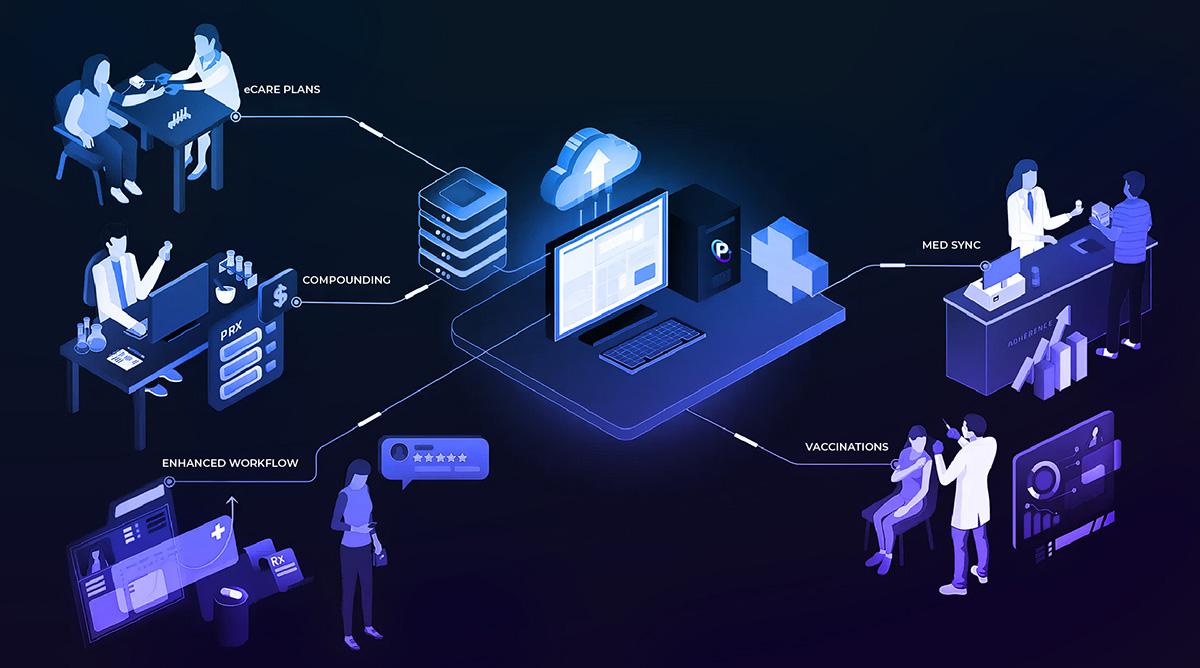
The healthcare industry in Pakistan is evolving rapidly, driven by digital transformation and the increasing need for efficient patient care. Electronic Medical Record (EMR) systems are no longer optional they have become a critical component of modern healthcare infrastructure. As technology advances, EMR software continues to evolve, introducing new trends that are reshaping how healthcare providers operate.
Understanding these trends is essential for clinics, hospitals, and diagnostic centers that want to stay competitive and deliver high-quality care. This article explores the most important EMR software trends that every healthcare provider in Pakistan should know to remain ahead in a rapidly changing landscape.
Shift Toward Cloud-Based EMR Systems
One of the most significant trends in Pakistan’s healthcare sector is the growing adoption of cloud-based EMR systems. Unlike traditional on-premise solutions, cloud-based systems allow healthcare providers to access patient data from anywhere, improving flexibility and collaboration.
Cloud technology also reduces the need for expensive hardware and IT maintenance, making it an ideal choice for small and medium-sized clinics. With enhanced data security, automatic updates, and scalability, cloud-based EMR systems are becoming the preferred option for healthcare providers across Pakistan.
Integration with Telemedicine Services
Telemedicine has gained immense popularity in Pakistan, especially after the COVID-19 pandemic. EMR software is now being integrated with telemedicine platforms, enabling doctors to access patient records during virtual consultations.
This integration improves diagnosis accuracy and ensures continuity of care. Patients can receive consultations from the comfort of their homes while doctors have complete access to their medical history, making healthcare more accessible and efficient.
Focus on Data Security and Privacy
As healthcare data becomes increasingly digital, the focus on data security and privacy is stronger than ever. EMR software providers are implementing advanced security measures such as encryption, multi-factor authentication, and secure cloud storage.
In Pakistan, where cybersecurity awareness is still developing, healthcare providers are becoming more cautious about protecting patient data. Secure EMR systems not only prevent data breaches but also build trust between patients and healthcare organizations.
Adoption of Artificial Intelligence (AI)
Artificial Intelligence (AI) is transforming EMR systems by enabling smarter data analysis and decision-making. AI-powered EMR software can assist doctors in diagnosing diseases, predicting patient outcomes, and recommending treatment plans.
In Pakistan, AI integration is still in its early stages but is rapidly gaining traction. As technology becomes more accessible, healthcare providers are expected to leverage AI to enhance efficiency and improve patient care.
Mobile-Friendly EMR Solutions
With the increasing use of smartphones, mobile-friendly EMR systems are becoming a necessity. Healthcare providers in Pakistan are looking for solutions that allow them to access patient records, manage appointments, and update information on the go.
Mobile accessibility improves workflow efficiency and enables doctors to provide timely care, even outside the clinic. This trend is particularly beneficial in remote areas where access to healthcare facilities is limited.
Interoperability and System Integration
Interoperability is another key trend shaping the future of EMR software in Pakistan. Healthcare providers are increasingly seeking systems that can integrate with other healthcare technologies such as laboratory management systems, pharmacy software, and billing platforms.
This seamless integration ensures that all patient-related data is centralized and easily accessible. It reduces duplication, minimizes errors, and enhances coordination between different departments within a healthcare facility.
Customization and Scalability
Healthcare providers in Pakistan have diverse needs, which makes customization an important feature of modern EMR systems. Software providers are offering flexible solutions that can be tailored to specific workflows and specialties.
Scalability is equally important, as healthcare facilities grow and expand over time. EMR systems that can adapt to increasing patient volumes and additional services are becoming highly desirable in the market.
Emphasis on User Experience (UX)
User experience is becoming a top priority for EMR software developers. Complex and difficult-to-use systems can lead to inefficiencies and resistance from staff.
Modern EMR solutions focus on intuitive interfaces, simplified workflows, and easy navigation. A user-friendly system ensures that healthcare professionals can focus on patient care rather than struggling with technology.
Real-Time Data and Analytics
Real-time data access and analytics are transforming how healthcare providers make decisions. EMR systems now offer advanced reporting tools that provide insights into patient trends, operational efficiency, and financial performance.
In Pakistan, healthcare providers are increasingly using data analytics to improve decision-making and optimize resource utilization. This trend is helping organizations deliver better outcomes and enhance overall performance.
Compliance and Standardization
With the growing adoption of digital healthcare systems, there is an increasing focus on compliance and standardization. Healthcare authorities in Pakistan are encouraging the use of EMR systems that meet specific data management and reporting standards.
Standardized systems ensure consistency, improve data accuracy, and facilitate regulatory compliance. As regulations evolve, EMR software providers are expected to align their solutions with local and international standards.
Automation of Administrative Tasks
Automation is playing a significant role in reducing administrative burdens in healthcare facilities. EMR systems are now capable of automating tasks such as appointment scheduling, billing, and patient follow-ups.
This not only saves time but also reduces the risk of human error. In Pakistan, where healthcare staff often face heavy workloads, automation can significantly improve efficiency and productivity.
The Rise of Patient-Centric Features
Modern EMR systems are increasingly focusing on patient engagement. Features such as patient portals, online appointment booking, and digital prescriptions are becoming standard.
These features empower patients to take an active role in their healthcare journey. In Pakistan, patient-centric EMR systems are improving satisfaction and strengthening the relationship between patients and healthcare providers.
Conclusion
The evolution of EMR software is transforming healthcare delivery in Pakistan. From cloud-based systems and AI integration to enhanced security and patient-centric features, these trends are shaping the future of the industry.
Healthcare providers who stay informed about these developments can make better decisions and remain competitive in an increasingly digital world. Adopting modern solutions not only improves operational efficiency but also enhances patient care and satisfaction.
Platforms like Instacare.com.pk are contributing to this transformation by offering innovative digital healthcare solutions. As technology continues to advance, choosing the right EMR Software Pakistan will be essential for healthcare providers looking to stay ahead and deliver high-quality care in a rapidly evolving environment.


 Croatian
 English
 Arabic
 Spanish
 Portuguese
 Deutsch
 Turkish
 Dutch
Dutch
 Italiano
 Russian
 Romaian
 Portuguese (Brazil)
 Greek
Greek
 Chech
Chech
 Afganistan