
 About
About
 Voorwaarden
 Privacy
 Advertisment
 DMCA
DMCA
 Gmaps
Gmaps
 Rewards
 Refunds
 Developers
Common Problems in Sanitary Fittings and How to Fix Them
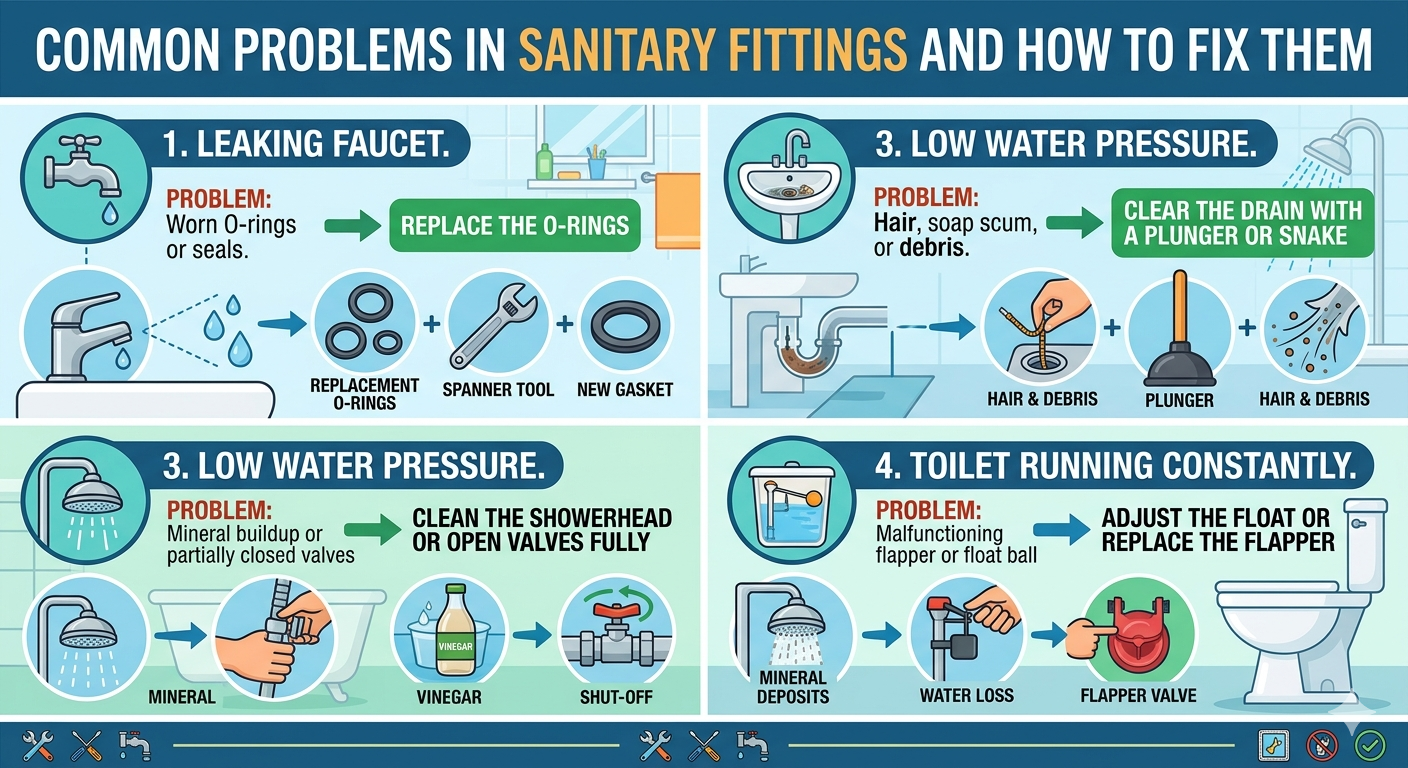
Sanitary fittings are essential components in industries where hygiene and cleanliness are critical, such as food processing, pharmaceuticals, and biotechnology. These fittings are designed to ensure smooth flow, prevent contamination, and maintain system integrity. However, like any mechanical component, sanitary fittings can develop issues over time. Understanding these common problems and how to fix them is crucial for maintaining efficiency and safety. Industry leaders like Cardinal Cooling Systems emphasize proactive maintenance to avoid costly disruptions.
Why Sanitary Fittings Require Special Attention
Sanitary fittings operate in environments where even minor contamination can lead to serious consequences. Unlike standard fittings, they must meet strict hygiene standards and allow for easy cleaning and sterilization.
Because of these high demands, any fault—no matter how small—can compromise the entire system. Regular inspection and timely troubleshooting are key to ensuring long-term performance.
Leakage Issues: Causes and Solutions
The Problem
Leakage is one of the most common issues in sanitary fittings. It can occur due to improper installation, worn-out seals, or damage to the fitting surface.
How to Fix It
- Inspect seals and gaskets for wear or cracks
- Ensure proper alignment during installation
- Tighten connections evenly without over-tightening
- Replace damaged components immediately
Routine checks, as recommended by Cardinal Cooling Systems, can help detect leaks early and prevent system failures.
Corrosion and Material Degradation
The Problem
Even though sanitary fittings are typically made from stainless steel, exposure to harsh chemicals or improper cleaning agents can cause corrosion over time.
How to Fix It
- Use appropriate cleaning solutions compatible with the material
- Choose high-grade stainless steel like 316 for better resistance
- Regularly inspect for signs of rust or pitting
- Replace severely corroded fittings
Preventing corrosion not only extends the lifespan of fittings but also maintains system hygiene.
Blockages and Flow Restrictions
The Problem
Blockages can occur due to residue buildup, improper cleaning, or accumulation of solid particles. This can disrupt flow and reduce system efficiency.
How to Fix It
- Implement regular cleaning and flushing routines
- Use proper filtration systems
- Inspect pipelines for buildup or obstructions
- Ensure fittings are designed for smooth flow
Maintaining clean pipelines is a top priority for companies like Cardinal Cooling Systems to ensure uninterrupted operations.
Improper Installation Challenges
The Problem
Incorrect installation can lead to misalignment, leaks, and reduced efficiency. This is often caused by lack of expertise or failure to follow proper guidelines.
How to Fix It
- Follow manufacturer installation instructions carefully
- Use the correct tools and torque settings
- Ensure proper alignment of all components
- Train staff on correct installation procedures
Proper installation is the foundation of a reliable piping system.
Seal and Gasket Failures
The Problem
Seals and gaskets are critical for maintaining leak-proof connections. Over time, they can wear out, crack, or lose elasticity.
How to Fix It
- Regularly inspect and replace worn-out gaskets
- Use high-quality, food-grade sealing materials
- Avoid over-tightening, which can damage seals
- Store spare gaskets properly to prevent degradation
Replacing seals at the right time helps maintain system integrity and hygiene.
Contamination Risks and Hygiene Concerns
The Problem
Sanitary fittings are designed to prevent contamination, but poor maintenance or damaged components can introduce bacteria or impurities into the system.
How to Fix It
- Follow strict cleaning and sterilization protocols
- Replace damaged or worn fittings promptly
- Use fittings with smooth, crevice-free surfaces
- Conduct routine hygiene inspections
Experts at Cardinal Cooling Systems stress the importance of maintaining strict hygiene standards to avoid contamination risks.
Wear and Tear from Regular Use
The Problem
Frequent use, high pressure, and temperature variations can cause gradual wear and tear in fittings.
How to Fix It
- Schedule routine maintenance checks
- Monitor system pressure and temperature levels
- Replace components showing signs of fatigue
- Use durable, high-quality fittings designed for your application
Proactive maintenance helps avoid unexpected breakdowns and costly repairs.
Best Practices to Prevent Future Problems
Preventing issues is always better than fixing them. Here are some best practices:
- Conduct regular inspections and maintenance
- Use high-quality materials and components
- Follow proper cleaning and sterilization procedures
- Train staff on handling and maintenance
- Work with trusted providers like Cardinal Cooling Systems
These steps ensure long-term efficiency and reliability.
Final Thoughts:
Sanitary fittings are critical to maintaining hygiene, safety, and efficiency in sensitive industries. While problems like leaks, corrosion, and blockages are common, they can be effectively managed with proper knowledge and maintenance practices.
By identifying issues early and applying the right solutions, businesses can prevent downtime and maintain high operational standards. With guidance from experienced providers like Cardinal Cooling Systems, you can ensure that your systems remain reliable, hygienic, and efficient for years to come.


 Croatian
 English
 Arabic
 French
 Spanish
 Portuguese
 Deutsch
 Turkish
 Italiano
 Russian
 Romaian
 Portuguese (Brazil)
 Greek
Greek
 Chech
Chech
 Afganistan
