About
About
 Terms
Terms
 Privacy
 Advertisment
 DMCA
DMCA
 Gmaps
Gmaps
 Rewards
 Refunds
 Developers
Building a Smarter EHS Audit Framework That Actually Works
Building a Smarter EHS Audit Framework That Actually Works
When safety teams find themselves constantly reacting to incidents instead of stopping them before they happen, it’s a clear sign that something isn’t working. A well-structured Environmental, Health & Safety (EHS) audit helps restore control by translating policies into measurable proof and turning workplace observations into meaningful actions that reduce risk at its source.
Modern organisations demand visibility. They want to clearly track how an issue is identified, addressed, and verified, along with evidence that corrective steps continue to hold over time. Delivering this level of accountability requires consistency, and today’s EHS platforms make it possible to manage audits in a structured and efficient way rather than letting them become chaotic or burdensome.
Audits and inspections serve different but equally important purposes. An audit evaluates the entire management system—from policies and procedures to controls and documentation—against both internal standards and regulatory requirements. Inspections, on the other hand, focus on real-time conditions and behaviours in the workplace. While inspections reveal what is happening in the moment, audits determine whether systems are strong enough to prevent those issues from recurring. Together, they form a complete picture: inspections highlight problems, and audits ensure lasting solutions.
To maximise effectiveness, audit efforts should be directed toward areas where failures would have the greatest impact. This means aligning the scope with the organisation’s risk exposure. Compliance audits confirm adherence to legal and permit requirements such as emissions, waste, and water discharge regulations. Management system audits evaluate how well frameworks function, including areas like risk management, operational controls, training, and incident handling processes. Program-specific audits focus on high-risk activities such as contractor safety, lockout/tagout procedures, confined space work, and hot work. Environmental audits examine factors like air quality, waste handling, hazardous materials, and spill prevention measures.
For audits to remain credible and objective, every finding should be tied directly to the requirement it evaluates. Each checklist item must clearly correspond to a specific clause, regulation, or internal rule. This approach ensures that findings are not just opinions but verifiable gaps. Every nonconformity should identify both the breached requirement and the individual responsible for corrective action, creating a clear and traceable record.
An effective audit process can be organised into seven practical steps. It begins with defining the purpose, scope, locations, and stakeholders, with priority given to high-risk or recently changed operations. Preparation follows, where key documents such as procedures, risk assessments, training records, incident logs, and permits are reviewed in advance. Fieldwork includes site walkthroughs, observations, and discussions with employees, supervisors, contractors, and safety personnel to understand actual practices. Findings are then evaluated using a risk-based approach, often combining severity and likelihood to determine priority. Reporting should be clear and concise, highlighting strengths, key issues, responsible owners, and deadlines. Observations must then be converted into structured corrective and preventive actions (CAPA) that are integrated into daily operations rather than isolated in static reports. Finally, verification ensures that actions are completed and effective, supported by trend analysis and management review to drive continuous improvement.
Measuring success requires more than ticking off completed checklists. Meaningful performance indicators include how quickly issues are resolved based on their severity, how consistently high-risk actions are closed on time, whether similar problems reappear, and how long corrective actions remain open. These lagging indicators should be balanced with proactive measures such as completion of training programs and pre-task risk assessments. Together, they provide a clearer picture of whether risks are genuinely decreasing.
A strong audit framework covers several critical areas, including leadership oversight, risk and change management, competency-based training, permit-to-work and LOTO controls, incident investigation and CAPA processes, emergency readiness, hazard communication, chemical and PPE management, equipment safety, contractor oversight, environmental compliance, housekeeping, and document control. These elements form the foundation of a consistent and reliable audit program.
Integrating audits with EHS software significantly enhances their effectiveness. Instead of allowing findings to be overlooked or forgotten, digital systems ensure that corrective actions are tracked, escalated when overdue, and properly completed. They can enforce safety procedures like permits and LOTO directly at the worksite, trigger maintenance for critical equipment, update procedures automatically, and assign training when gaps are identified. At the same time, they generate secure and traceable records for audits, certifications, and regulatory reviews. The result is a complete shift—from simply recording issues to ensuring that risks are fully addressed and verified.
Book a free demo:
https://toolkitx.com/blogsdetails.aspx?title=EHS-audit-(2025-guide):-definition,-checklist,-process,-and-ISO/OSHA-mapping
Sponsored
Sponsored

Sponsored
Sponsored
Sponsored
Sponsored
Virtuala FansOnly
CDN FREE
Cloud Convert
Categories
Read More
BipBop, kids' show, animation, Blender, children's entertainment, family-friendly, Duncan Rudd, new adventures, creative storytelling ## Introduction In a world buzzing with animated characters and colorful stories, a new star is set to shine brightly in children's entertainment: BipBop. Created with love and passion, this delightful character is the centerpiece of a groundbreaking kids' show...

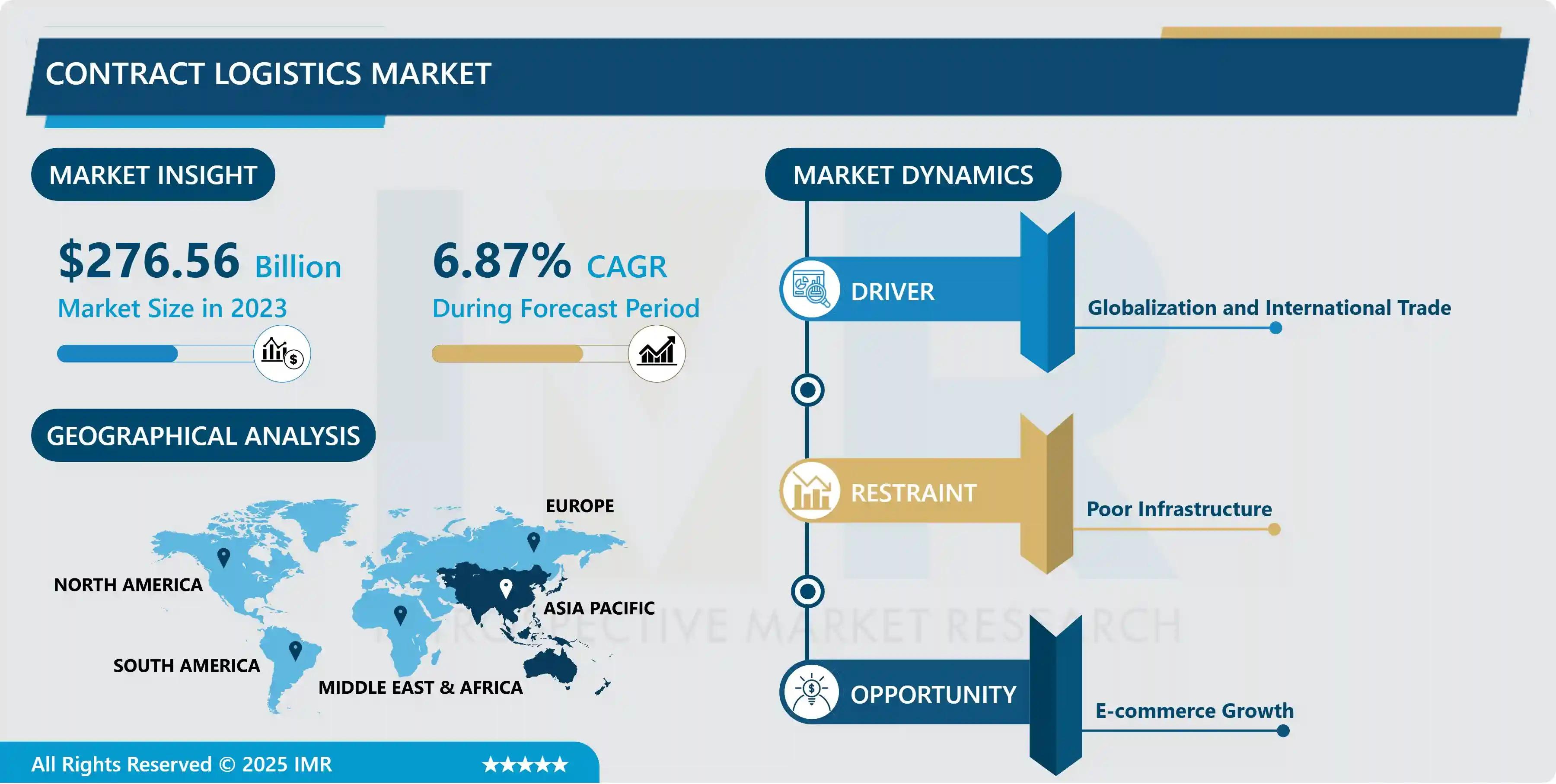
According to a new report published by Introspective Market Research, Contract Logistics Market by Service Type, Industry, and Region, The Global Contract Logistics Market Size Was Valued at USD 276.56 Billion in 2023 and is Projected to Reach USD 502.91 Billion by 2032, Growing at a CAGR of 6.87%. Introduction / Market Overview The Contract Logistics Market is witnessing...
Wall Art Market Overview The Wall Art Market is evolving as consumers increasingly invest in home aesthetics, personalized décor, and creative expression. Digital platforms have transformed the industry, enabling artists and brands to reach global audiences with customizable prints, canvas art, digital illustrations, and 3D installations. Demand for affordable wall décor is...

## The Resurgence of Bossfight Entertainment: Founders Reunite for a New Chapter In a surprising turn of events, the original founders of Bossfight Entertainment have announced the relaunch of their studio, reigniting excitement among gamers and industry enthusiasts alike. This development follows the closure of Bossfight Entertainment by Netflix in October of last year, marking a significant...

### Introduction In a striking development that could reshape the national conversation around nutrition and public health, President Donald Trump’s nominee for U.S. Surgeon General, Dr. Casey Means, recently expressed her commitment to raising awareness about the dangers of ultra-processed foods. During her confirmation hearing before the Senate Committee on Health, Education, Labor, and...