Über
Über
 Bedingungen
 Datenschutz
 Advertisment
 DMCA
DMCA
 Gmaps
Gmaps
 Rewards
 Refunds
 Entwickler
Building a Safer Workplace Through Structured Data Insights
Building a Safer Workplace Through Structured Data Insights
Progress in Environmental, Health, and Safety (EHS) is rarely the result of one large initiative. Instead, it develops through countless small decisions made on-site every day. When these decisions are guided by data-driven decision-making (DDDM), they gain clarity and direction. Rather than relying on instinct, teams act on verified information, ensuring consistent responses and converting everyday observations into meaningful safety improvements. Routine inputs—such as inspections, near-miss reports, training logs, and incident records—become valuable tools for reducing risk and strengthening compliance.
In an EHS context, data-driven decision-making is a structured and repeatable way to determine priorities, allocate resources effectively, and evaluate whether actions are delivering results. It spans the entire lifecycle of information management: identifying what data should be captured, ensuring it is standardized, maintaining accuracy, analyzing patterns, and ultimately translating insights into corrective and preventive actions (CAPA). The objective is not to accumulate data for reporting purposes, but to enable faster, more informed decisions that lead to better environmental and safety outcomes.
Focusing on data in EHS brings several clear advantages. It improves predictability by highlighting early warning signs of potential hazards, allowing teams to intervene before incidents occur. It strengthens accountability by creating a shared understanding of performance metrics across leadership, supervisors, and contractors. It also supports regulatory readiness by providing transparent records that simplify audits, reporting, and compliance processes. Operationally, the benefits are equally significant—fewer disruptions, faster approvals, quicker issue resolution, and a more confident workforce all contribute to improved productivity.
An effective EHS strategy relies on a balanced mix of metrics that reflect both current risks and past performance. Leading indicators act as early signals. Monitoring near-misses helps uncover weaknesses in procedures or controls before they escalate. Observations from behavior-based safety programs highlight not just activity levels, but also the effectiveness of follow-up actions. Training should be evaluated based on actual competency and application, not just completion rates. Permit-to-work systems should be assessed for accuracy, approval efficiency, and adherence during execution. Similarly, inspection findings should be tracked alongside how quickly corrective actions are implemented.
Lagging indicators, on the other hand, provide insight into outcomes. Metrics such as injury rates reveal trends in incidents over time. Environmental exceedances point to recurring compliance gaps. Equipment failures can indicate deeper issues like poor maintenance practices that may lead to safety events. Financial measures, including claims, medical costs, and lost time, help quantify the broader impact of risk on the organization.
Getting started with data-driven EHS does not require complexity, but it does require focus. Begin by defining a small number of clear objectives—such as improving near-miss reporting or reducing permit delays—and align metrics accordingly. Standardizing how data is collected across locations ensures consistency and comparability. Accuracy must be ensured at the point of entry through validation rules and required fields. Bringing all relevant data into a centralized system allows patterns to emerge across functions, revealing connections that might otherwise go unnoticed.
To make this information actionable, dashboards tailored to specific roles should provide clear visibility into trends and alerts. Insights must then be directly linked to corrective and preventive actions, with assigned responsibilities, defined timelines, and measurable outcomes. Once early successes are achieved, the approach can be expanded to include additional metrics, sites, or even predictive capabilities.
Sustaining this approach depends on strong governance and a supportive culture. Clear responsibilities must be defined for data entry, validation, review, and process updates. At the same time, organizations must encourage open and easy reporting, ensuring that teams feel comfortable sharing accurate information. Recognizing contributions and demonstrating how data leads to real improvements helps build trust and ongoing engagement.
Ultimately, when decisions are grounded in reliable and consistent data, organizations can move beyond reactive compliance. They gain the ability to anticipate risks, respond more effectively, and continuously improve performance. By focusing on what truly matters, measuring progress carefully, and building momentum through visible results, EHS evolves into a proactive and strategic function that drives safer and more resilient operations.
Book a free demo here: https://toolkitx.com/blogsdetails.aspx?title=Data-driven-decision-making-in-EHS:-what-to-track,-and-where-to-start
Gesponsert
Gesponsert

Gesponsert
Gesponsert
Gesponsert
Gesponsert
Virtuala FansOnly
CDN FREE
Cloud Convert
Kategorien
Mehr lesen
In today’s competitive cannabis market, standing out online is more important than ever. With countless CBD brands vying for attention, having a strong digital presence can make or break your business. This is where a CBD SEO agency comes into play. By strategically enhancing your online visibility, such an agency can help your cannabis brand reach a larger audience, attract loyal...

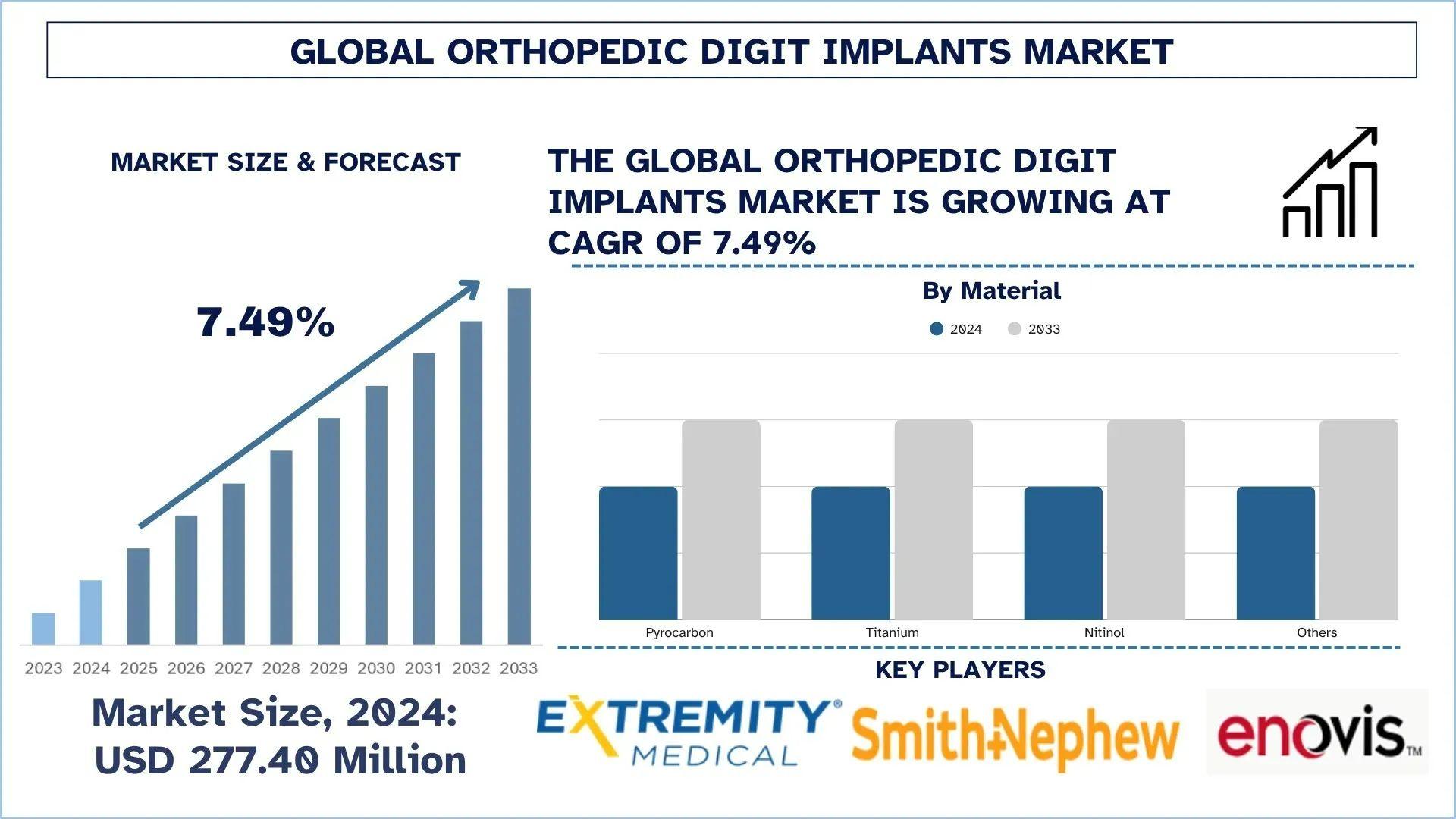
According to a new report by UnivDatos, the Orthopedic Digit Implants Market is expected to reach USD million in 2033 by growing at a CAGR of 7.49%. The global orthopedic digit implants market is experiencing steady growth due to the rising prevalence of musculoskeletal disorders, technological advancements, and increasing healthcare investment. The integration of 3D printing...
The global Home Medical Equipment Market comprises a vast array of medical devices and supplies used for patient care and monitoring in a non-clinical setting, primarily the patient’s home. This market includes everything from simple mobility aids (like wheelchairs and walkers) and daily living aids to sophisticated therapeutic equipment (such as oxygen concentrators and CPAP machines)...

audi, Concept C, carro esportivo elétrico, design automotivo, simplicidade radical, TT, futuro dos carros, inovação, tecnologia automotiva, esportivos elétricos ## Introdução Não podemos ignorar o que a Audi está fazendo. O lançamento do Concept C, um carro esportivo totalmente elétrico que se inspira no icônico TT, é muito mais do que apenas outro modelo no mercado. É uma declaração de...

3D tracking, SynthEyes 2026, BorisFX, Mocha Point Tracker, animation software, visual effects, USD import, match-moving, GeoH setups ## Introduction In the ever-evolving landscape of visual effects and animation, precision and efficiency are paramount. BorisFX, a renowned name in the digital effects industry, has once again raised the bar with the release of SynthEyes 2026. This latest...