The Impact of Digital Technology and AI on Creativity: Insights from Joe La Pompe
digital technology, creativity, artificial intelligence, originality, Joe La Pompe, digital art, creative process, innovation, technology in art
## Introduction
In an era dominated by rapid technological advancements, the intersection of digital technology, artificial intelligence (AI), and creativity has become a topic of significant discourse. Joe La Pompe, a keen observer of these shifts, offers a refreshing perspective on the relationship between technology and creativity. His analysis reveals an intriguing dichotomy: while there is an abundance of images and content generated through digital means, the originality of these creations often falls short. This article delves into La Pompe’s insights, exploring how digital technology and AI impact the creative landscape and what this means for artists and creators today.
## The Digital Landscape: A Double-Edged Sword
### The Proliferation of Content
One of the most striking effects of digital technology is the sheer volume of content available today. The internet has democratized the creative process, allowing anyone with a smartphone or computer to produce and share their work. This unprecedented accessibility has led to an explosion of images, videos, and digital art, saturating the market. However, as La Pompe points out, quantity does not equate to quality.
The abundance of digital content often leads to a homogenization of creativity, where trends overshadow individuality. The challenge for artists becomes distinguishing themselves in a sea of similar works. With countless creators vying for attention, the pressure to conform to popular aesthetics can stifle true innovation.
### The Role of AI in Creativity
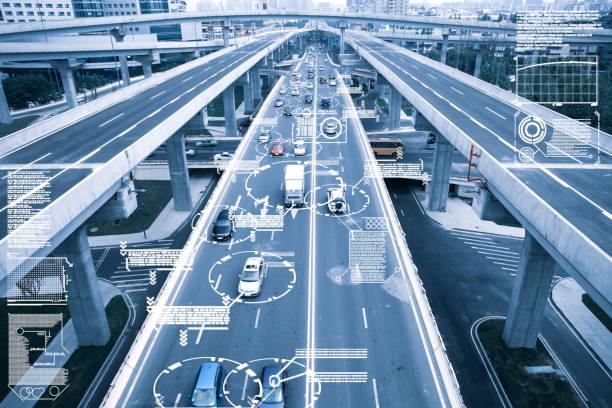
Artificial intelligence has emerged as a powerful tool in the creative process. From generating music to creating stunning visual art, AI can enhance the capabilities of artists and streamline workflows. For example, tools like generative adversarial networks (GANs) can produce artwork that mimics human creativity. Yet, this raises an essential question: does AI augment creativity or merely replicate existing styles?
La Pompe argues that while AI can assist in the creative process, it often lacks the inherent originality that comes from human experience and emotion. The nuances of creativity—those sparks of inspiration that lead to groundbreaking works—cannot be fully captured by algorithms. Therefore, while AI can produce impressive results, it is crucial to remember that the most compelling art often stems from personal stories, cultural contexts, and unique perspectives.
## Originality in an Age of Imitation
### The Challenge of Authenticity
In a world flooded with digital imagery and AI-generated content, the pursuit of originality has become increasingly challenging. Many artists find themselves grappling with the fine line between inspiration and imitation. The ease of access to digital tools can lead to unintentional plagiarism as creators subconsciously draw from the vast pool of existing works.
Joe La Pompe emphasizes the importance of authenticity in the creative process. He encourages artists to dig deeper into their experiences and identities to cultivate a unique voice. By embracing their individual stories and vulnerabilities, creators can produce work that resonates more profoundly with audiences, setting themselves apart from the crowd.
### Redefining Creativity in the Digital Era
To navigate the complexities of modern creativity, it is essential to redefine what it means to be an artist in the digital age. This involves understanding that creativity is not just about producing visually appealing content; it is about conveying messages, provoking thought, and sparking emotions. As La Pompe suggests, embracing experimentation and risk-taking can lead to unexpected breakthroughs, fostering innovation and originality.
Moreover, artists should view technology not as a competitor but as a collaborator. By integrating AI and digital tools into their creative processes, they can enhance their work while maintaining their unique perspectives. This symbiotic relationship between human creativity and technology can lead to the emergence of new art forms that challenge traditional boundaries.
## Conclusion
The impact of digital technology and artificial intelligence on creativity is profound and multifaceted. As Joe La Pompe articulates, the digital landscape presents both opportunities and challenges for artists. While the proliferation of content can lead to a lack of originality, it also provides an unparalleled platform for self-expression and exploration.
To thrive in this environment, artists must prioritize authenticity and embrace their unique experiences. By doing so, they can create work that stands out amidst the noise and resonates deeply with audiences. As we continue to navigate this digital age, the key lies in finding the balance between leveraging technological advancements and nurturing the innate creativity that defines the human experience. In the end, it is this delicate equilibrium that will shape the future of art and creativity in the years to come.
Source: https://grapheine.com/magazine/3-questions-a-joe-la-pompe/
 Sobre
Sobre
 Termos
 Privacidade
 Advertisment
 DMCA
DMCA
 Gmaps
Gmaps
 Rewards
 Refunds
 Developers