


Ethylene Sulfate: Properties, Uses, and Safety Guide
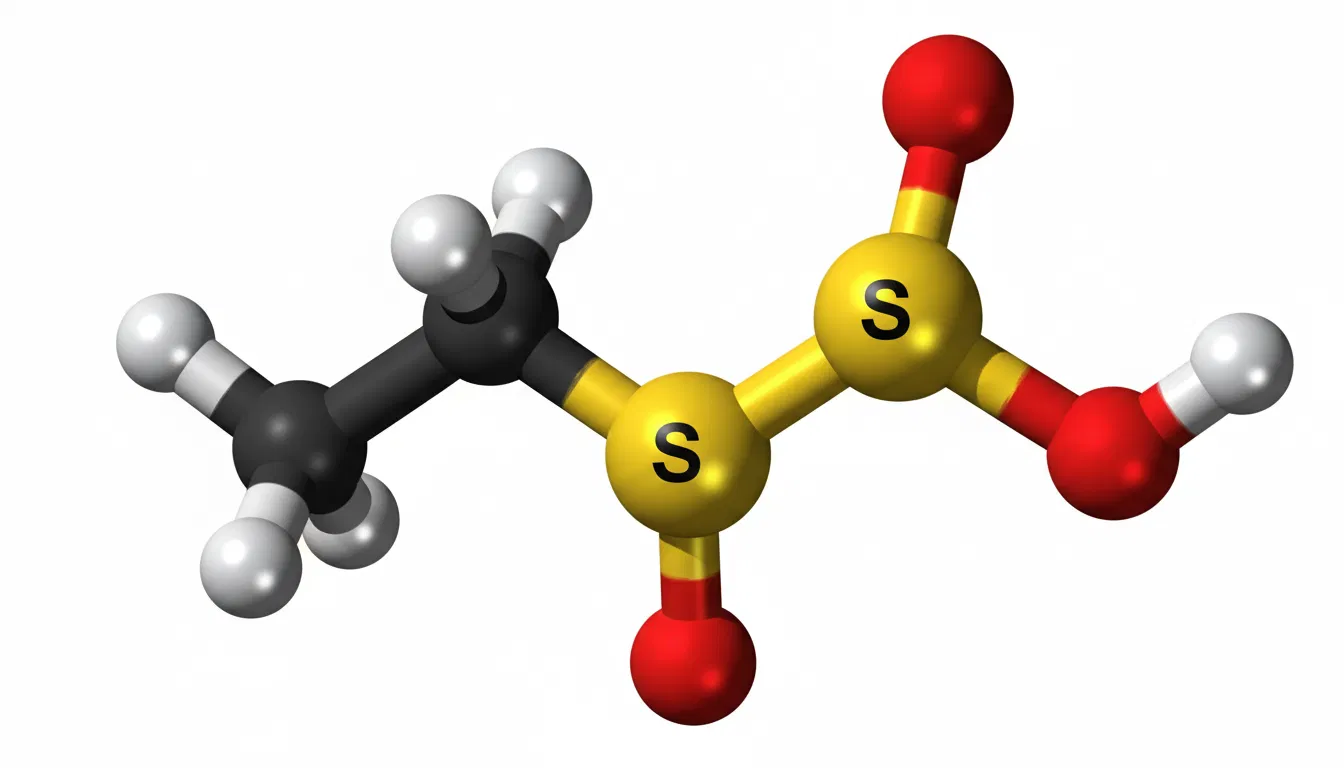
Ethylene sulfate is an important organic sulfur-containing compound that has attracted attention in chemical research and industrial applications. It is mainly used as an intermediate in chemical synthesis and plays a valuable role in laboratory studies involving sulfur-based compounds. Due to its unique cyclic sulfate structure, ethylene sulfate exhibits chemical properties that make it useful in producing specialty chemicals, polymers, and advanced materials. Researchers also study this compound to better understand reaction mechanisms involving cyclic sulfates. Although ethylene sulfate has many scientific and industrial applications, it requires careful handling because it is a reactive chemical. Understanding its properties, uses, manufacturing methods, safety precautions, and environmental impact helps professionals use it effectively while minimizing risks. This guide provides a comprehensive overview of ethylene sulfate, explaining why it is significant in modern chemistry and how it contributes to industrial innovation.
What Is Ethylene Sulfate?
Ethylene sulfate is a cyclic organic sulfate ester composed of an ethylene group bonded to a sulfate functional group. It is generally encountered as a colorless to pale-yellow liquid under controlled conditions and is valued for its high chemical reactivity. Because of its ring-shaped molecular structure, ethylene sulfate can participate in ring-opening reactions, making it useful in organic synthesis and polymer chemistry. Scientists frequently use it as an intermediate to prepare other sulfur-containing compounds that are important in pharmaceuticals, specialty chemicals, and research laboratories. Although not commonly used by consumers, ethylene sulfate plays a significant role behind the scenes in many industrial and scientific processes where precision chemistry is essential.
Chemical Structure and Composition
The molecular structure of ethylene sulfate consists of a two-carbon ethylene ring connected to a sulfate group, creating a cyclic sulfate ester. This arrangement gives the compound distinctive physical and chemical characteristics compared with ordinary sulfate salts. The cyclic structure increases its reactivity, allowing it to interact efficiently with nucleophiles during chemical reactions. Researchers appreciate this property because it enables controlled synthesis of complex organic molecules. The molecular composition also contributes to its stability under proper storage conditions while allowing it to react under specific laboratory environments. Understanding its structure is fundamental for chemists who design new compounds and industrial processes.
Physical and Chemical Properties
Ethylene sulfate possesses several physical and chemical characteristics that influence its industrial use. It is typically a clear liquid with a relatively high boiling point and good solubility in selected organic solvents. The compound demonstrates strong chemical stability when stored correctly but becomes reactive under certain reaction conditions, particularly in the presence of nucleophilic reagents. It can participate in ring-opening reactions that produce valuable intermediates for further synthesis. Factors such as temperature, moisture, and exposure to incompatible chemicals can affect its stability, making proper storage essential. These properties make ethylene sulfate a versatile reagent for research and manufacturing applications.
How Ethylene Sulfate Is Produced
The production of ethylene sulfate involves carefully controlled chemical reactions using suitable sulfur-containing reagents and ethylene-based starting materials. Industrial manufacturers employ advanced processing techniques to ensure product purity, consistency, and safety. The synthesis process often includes purification stages such as distillation or filtration to remove impurities and achieve the required quality standards. Modern production facilities also implement environmental controls to reduce waste and emissions. Because the manufacturing process involves reactive chemicals, trained professionals operate under strict safety regulations. Continuous improvements in chemical engineering have made the production of ethylene sulfate more efficient and environmentally responsible.
Industrial Applications
Ethylene sulfate is widely used as an intermediate in numerous industrial processes. Chemical manufacturers rely on it to synthesize specialty compounds that serve as building blocks for pharmaceuticals, agrochemicals, dyes, coatings, and advanced materials. Its unique reactivity allows manufacturers to produce high-value chemicals with improved efficiency and precision. Industries that require customized organic compounds often use ethylene sulfate because it provides reliable reaction pathways and high product yields. Although it is not a finished consumer product, its contribution to manufacturing various industrial chemicals makes it an essential component of modern chemical production.
Laboratory and Research Uses
In research laboratories, ethylene sulfate is frequently employed to investigate reaction mechanisms involving cyclic sulfate esters. Scientists use it to develop new synthetic pathways, study reaction kinetics, and explore advanced materials chemistry. Academic institutions and industrial research centers appreciate its predictable chemical behavior, which supports experimental accuracy and reproducibility. It also serves as a useful reference compound for understanding sulfur-containing organic molecules. Through continued research, chemists discover new applications for ethylene sulfate in fields such as medicinal chemistry, polymer science, and sustainable chemical development.
Safety Precautions
Working with ethylene sulfate requires strict adherence to laboratory and industrial safety practices. Appropriate personal protective equipment, including chemical-resistant gloves, safety goggles, and laboratory coats, should always be worn when handling the compound. Operations should be conducted in well-ventilated laboratories or fume hoods to reduce potential exposure. Containers must remain tightly sealed and clearly labeled to prevent accidental contamination or misuse. Personnel should receive proper training regarding emergency procedures, spill response, and safe handling techniques. Following established safety protocols helps reduce occupational risks and ensures responsible use of this chemical.
Storage and Handling
Proper storage is essential for maintaining the quality and stability of ethylene sulfate. The compound should be kept in tightly sealed containers made from compatible materials and stored in a cool, dry, and well-ventilated location away from direct sunlight and incompatible substances. Excessive heat and moisture can affect product stability and increase the risk of unwanted chemical reactions. Laboratories and industrial facilities should implement inventory management systems to monitor storage conditions and expiration dates. Careful handling during transportation and routine use helps preserve product integrity while minimizing workplace hazards.
Environmental Considerations
Responsible environmental management is an important aspect of using ethylene sulfate. Chemical facilities should implement waste treatment procedures that comply with local environmental regulations and prevent uncontrolled release into soil or waterways. Spills should be contained immediately using appropriate materials, and contaminated waste should be disposed of through licensed hazardous waste management services. Manufacturers increasingly adopt sustainable production methods that reduce waste generation and improve resource efficiency. These practices help protect ecosystems while supporting environmentally responsible chemical manufacturing.
Advantages and Limitations
Ethylene sulfate offers several advantages, including high chemical reactivity, versatility in organic synthesis, and usefulness as an industrial intermediate. Its cyclic sulfate structure enables efficient preparation of many specialized compounds, making it valuable for research and manufacturing. However, its reactive nature also requires careful storage, handling, and disposal. Specialized equipment and trained personnel are often necessary when working with this chemical, which may increase operational costs. Despite these limitations, its benefits in scientific research and industrial production continue to outweigh the challenges when proper safety procedures are followed.
Future Developments
Researchers continue exploring new applications for ethylene sulfate in advanced materials, green chemistry, and pharmaceutical development. Innovations in synthetic chemistry may improve production efficiency while reducing environmental impact. Scientists are also investigating safer reaction pathways and more sustainable manufacturing technologies that minimize waste generation. As demand for specialty chemicals grows, ethylene sulfate is expected to remain an important intermediate for developing next-generation materials and chemical products. Continued research and technological advancement will likely expand its industrial significance in the coming years.
Conclusion
Ethylene sulfate is a valuable cyclic sulfate ester that plays an important role in modern chemistry, industrial manufacturing, and scientific research. Its distinctive molecular structure provides exceptional reactivity, making it useful for synthesizing specialty chemicals, advanced materials, and research compounds. Although handling this substance requires appropriate safety precautions, proper storage and responsible environmental practices allow industries and laboratories to use it effectively. As chemical technology continues to evolve, ethylene sulfate is expected to support future innovations in sustainable manufacturing, materials science, and organic synthesis. Understanding its properties, applications, and safety considerations enables professionals to maximize its benefits while maintaining safe and responsible chemical management.

 English
 Arabic
 French
 Portuguese
 Deutsch
 Turkish
 Dutch
Dutch
 Italiano
 Russian
 Romaian
 Portuguese (Brazil)
 Greek
Greek
 Hrvatski
 Cehoslowakia