 Sobre
Sobre
 Termos
 Privacidade
 Advertisment
 DMCA
DMCA
 Gmaps
Gmaps
 Rewards
 Refunds
 Developers
What Happens During Knee Replacement Surgery?
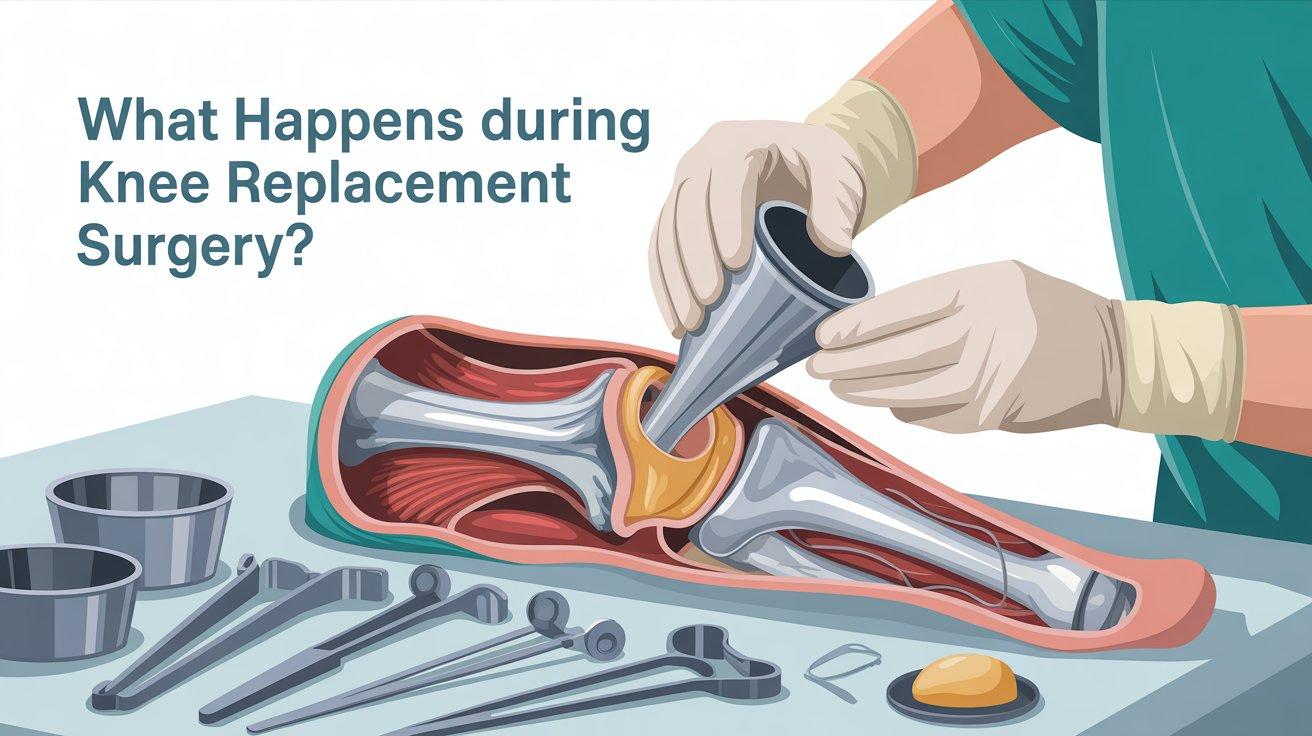
Knee replacement surgery is a well-established orthopedic procedure designed to relieve pain, restore mobility, and improve quality of life for patients with severe knee joint damage. Many patients feel anxious because they are unsure about what actually happens in the operating room. Understanding each step of the process can help reduce fear and allow patients to prepare with confidence.
Pre-Surgery Preparation
Before the surgery, the patient is taken to the operating area and carefully evaluated by the surgical and anesthesia team. Vital signs are monitored, and the knee is marked to ensure correct placement. Most knee replacement surgeries are performed under spinal or general anesthesia, depending on the patient’s health condition and the surgeon’s recommendation. Antibiotics are given to reduce the risk of infection, and the surgical area is thoroughly cleaned and sterilized.
Making the Incision
Once anesthesia takes effect, the surgeon makes a precise incision over the front of the knee. This incision allows access to the damaged joint. Muscles and tissues are gently moved aside rather than cut, helping to protect surrounding structures and support better recovery after surgery.
Removing the Damaged Joint Surface
The next step involves removing the damaged cartilage and a small amount of underlying bone from the femur (thigh bone) and tibia (shin bone). In many cases, the undersurface of the kneecap may also be prepared. This step is crucial because it removes the worn-out surfaces that are responsible for pain, stiffness, and reduced movement.
Preparing the Bone for the Implant
After the damaged areas are removed, the surgeon carefully shapes the bone ends to fit the artificial knee components. Accurate alignment is extremely important to ensure smooth movement and long-term success of the knee replacement. Modern techniques, including computer guidance or robotic assistance, may be used to enhance precision during this stage.
Placing the Artificial Knee Implant
The artificial knee joint, also known as a prosthesis, is then placed onto the prepared bone surfaces. These components are typically made from medical-grade metal alloys and high-quality plastic. The metal parts replace the damaged bone surfaces, while a smooth plastic spacer allows easy movement between them. The implant may be fixed in place using special bone cement or a press-fit technique that allows the bone to grow into the implant over time.
Checking Movement and Stability
Once the implant is in position, the surgeon bends and straightens the knee to check its range of motion, stability, and alignment. This step ensures that the knee moves smoothly and feels balanced. Any minor adjustments needed are made at this stage to achieve the best possible outcome.
Closing the Incision
After confirming proper function of the new knee joint, the surgeon carefully closes the incision using sutures or staples. A sterile dressing is applied to protect the surgical site. In some cases, a drain may be placed temporarily to prevent fluid buildup.
Immediate Post-Surgery Care
After surgery, the patient is moved to a recovery area where vital signs are closely monitored. Pain management begins immediately using medications and other supportive methods. Most patients are encouraged to start gentle movement of the knee within a day, often with the help of a physiotherapist. Early movement plays a key role in preventing stiffness and promoting healing.
Role of Physiotherapy
Physiotherapy is an essential part of recovery after knee replacement surgery. Exercises focus on improving knee strength, flexibility, and walking ability. With regular therapy and guidance, most patients gradually return to daily activities and experience significant pain relief.
What Patients Can Expect
Knee replacement surgery typically takes one to two hours. While full recovery may take several weeks to months, many patients notice improved comfort and mobility within a short period. Following post-operative instructions, attending physiotherapy sessions, and maintaining a healthy lifestyle all contribute to a successful outcome.
Understanding what happens during knee replacement surgery helps patients feel informed and prepared. With proper care and expert surgical treatment, knee replacement can offer lasting relief from pain and a renewed ability to move comfortably.
Patrocinado
Patrocinado

Patrocinado
Patrocinado
Patrocinado
Patrocinado
Virtuala FansOnly
CDN FREE
Cloud Convert
Categorias
Leia Mais
3D printing jobs, additive manufacturing, design careers, engineering positions, aerospace opportunities, architecture roles, February job openings --- ### Introduction As we step into February, the 3D printing industry continues to thrive, reflecting the robust demand for specialized talent across various sectors. From architecture to aerospace, the realm of additive manufacturing offers an...

A new growth forecast report titled Acetic Acid Market Size, Share, Trends, Industry Analysis Report By Application (Vinyl Acetate Monomer, Purified Terephthalic Acid, Acetate Esters, Acetic Anhydride), By End Use, and By Region -Market Forecast To, 2025 - 2034 introduced by Polaris Market Research represents conclusive data on the overall market. It majorly targets to provide a detailed...

Ecommerce website Indianapolis - WordPress web design and development. We create fast, mobile-friendly, SEO-optimized, ecommerce websites tailored to businesses. Building Your Digital Storefront: Ecommerce and WordPress Mastery in Indianapolis In the bustling commercial heart of the Midwest, having a generic online presence just doesn’t cut it anymore. For Indianapolis businesses aiming...

The latest research report by Emergen Research, titled “Global Trimethylamine Market – Forecast to 2033,” offers an in-depth analysis of the trimethylamine (TMA) industry. This comprehensive study examines various aspects of the market, including key definitions, end-use applications, and total revenue generated across different regions. The researchers have meticulously...

Acer, a leading name in the world of technology, has recently unveiled its latest gaming laptop, the Shadow Knight Neo 16, in the Chinese market. This exciting new addition is designed specifically for gamers and content creators who seek high-performance capabilities within a mid-upper range budget. With its powerful specifications, including the Intel Core i7-14650HX processor from the 14th...