About
About
 Termeni
 Confidențialitate
 Advertisment
 DMCA
DMCA
 Gmaps
Gmaps
 Rewards
 Refunds
 Developers
What Happens During Knee Replacement Surgery?
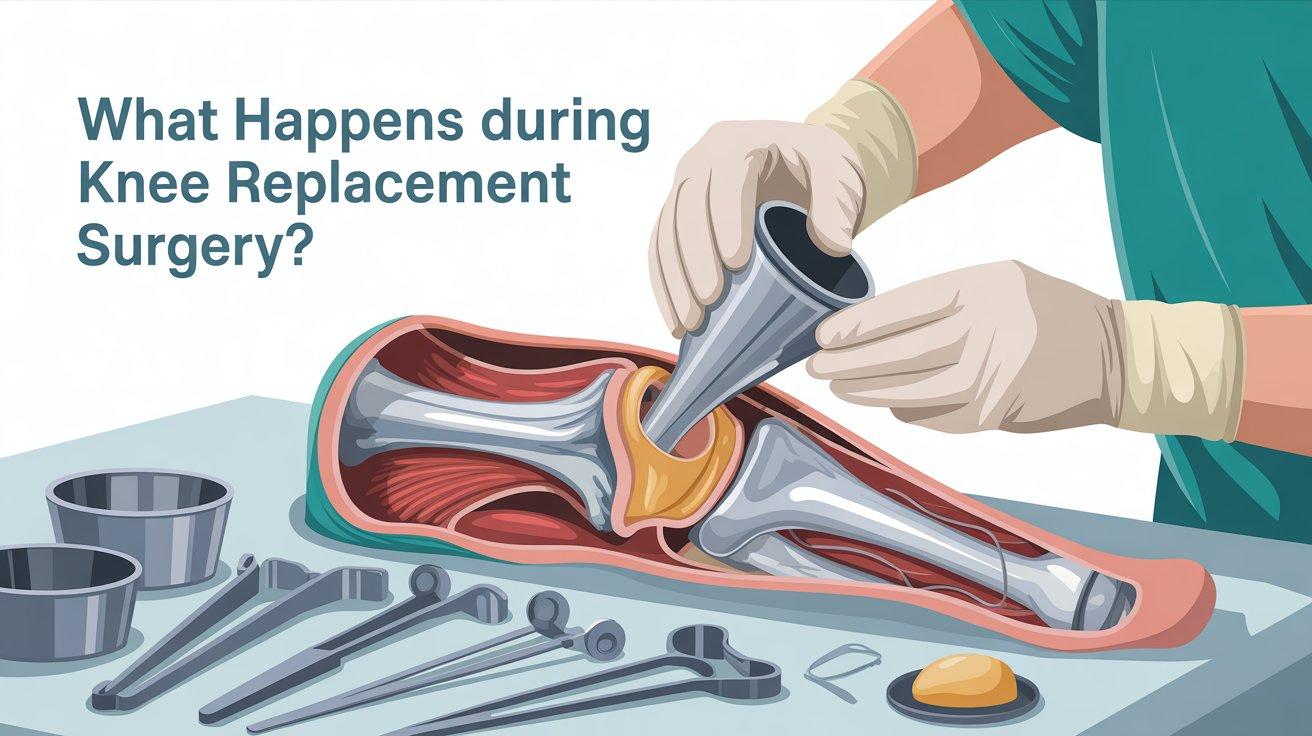
Knee replacement surgery is a well-established orthopedic procedure designed to relieve pain, restore mobility, and improve quality of life for patients with severe knee joint damage. Many patients feel anxious because they are unsure about what actually happens in the operating room. Understanding each step of the process can help reduce fear and allow patients to prepare with confidence.
Pre-Surgery Preparation
Before the surgery, the patient is taken to the operating area and carefully evaluated by the surgical and anesthesia team. Vital signs are monitored, and the knee is marked to ensure correct placement. Most knee replacement surgeries are performed under spinal or general anesthesia, depending on the patient’s health condition and the surgeon’s recommendation. Antibiotics are given to reduce the risk of infection, and the surgical area is thoroughly cleaned and sterilized.
Making the Incision
Once anesthesia takes effect, the surgeon makes a precise incision over the front of the knee. This incision allows access to the damaged joint. Muscles and tissues are gently moved aside rather than cut, helping to protect surrounding structures and support better recovery after surgery.
Removing the Damaged Joint Surface
The next step involves removing the damaged cartilage and a small amount of underlying bone from the femur (thigh bone) and tibia (shin bone). In many cases, the undersurface of the kneecap may also be prepared. This step is crucial because it removes the worn-out surfaces that are responsible for pain, stiffness, and reduced movement.
Preparing the Bone for the Implant
After the damaged areas are removed, the surgeon carefully shapes the bone ends to fit the artificial knee components. Accurate alignment is extremely important to ensure smooth movement and long-term success of the knee replacement. Modern techniques, including computer guidance or robotic assistance, may be used to enhance precision during this stage.
Placing the Artificial Knee Implant
The artificial knee joint, also known as a prosthesis, is then placed onto the prepared bone surfaces. These components are typically made from medical-grade metal alloys and high-quality plastic. The metal parts replace the damaged bone surfaces, while a smooth plastic spacer allows easy movement between them. The implant may be fixed in place using special bone cement or a press-fit technique that allows the bone to grow into the implant over time.
Checking Movement and Stability
Once the implant is in position, the surgeon bends and straightens the knee to check its range of motion, stability, and alignment. This step ensures that the knee moves smoothly and feels balanced. Any minor adjustments needed are made at this stage to achieve the best possible outcome.
Closing the Incision
After confirming proper function of the new knee joint, the surgeon carefully closes the incision using sutures or staples. A sterile dressing is applied to protect the surgical site. In some cases, a drain may be placed temporarily to prevent fluid buildup.
Immediate Post-Surgery Care
After surgery, the patient is moved to a recovery area where vital signs are closely monitored. Pain management begins immediately using medications and other supportive methods. Most patients are encouraged to start gentle movement of the knee within a day, often with the help of a physiotherapist. Early movement plays a key role in preventing stiffness and promoting healing.
Role of Physiotherapy
Physiotherapy is an essential part of recovery after knee replacement surgery. Exercises focus on improving knee strength, flexibility, and walking ability. With regular therapy and guidance, most patients gradually return to daily activities and experience significant pain relief.
What Patients Can Expect
Knee replacement surgery typically takes one to two hours. While full recovery may take several weeks to months, many patients notice improved comfort and mobility within a short period. Following post-operative instructions, attending physiotherapy sessions, and maintaining a healthy lifestyle all contribute to a successful outcome.
Understanding what happens during knee replacement surgery helps patients feel informed and prepared. With proper care and expert surgical treatment, knee replacement can offer lasting relief from pain and a renewed ability to move comfortably.
Sponsor
Sponsor

Sponsor
Sponsor
Sponsor
Sponsor
Virtuala FansOnly
CDN FREE
Cloud Convert
Categorii
Citeste mai mult
ekran bağımlılığı, tedavi yöntemleri, teknoloji bağımlılığı, uygulamalar, dijital detoks, sağlıklı yaşam, zihinsel sağlık, teknoloji kullanımı ## Ekran Bağımlılığı Nedir? Ekran bağımlılığı, günümüzde birçok insanın karşılaştığı yaygın bir sorundur. Hızla gelişen teknoloji ile birlikte, akıllı telefonlar, tabletler ve bilgisayarlar hayatımızın vazgeçilmez bir parçası haline geldi. Ancak, bu...

animation, Momoko Seto, Planets, film production, unique storytelling, cinematic experience, animation trends, independent films, creative process, filmmaking insights ## Introduction In the ever-evolving landscape of animation, the ability to transcend traditional norms and explore uncharted territory is a hallmark of innovation. One such venture is "Planets," the brainchild of filmmaker...

What Makes Mahadev Book Different? In today’s fast-paced world of online betting and gaming, finding a trusted and feature-rich platform can be challenging. That’s where Mahadev Book online betting platform truly stands out. It’s not just about placing a few bets—Mahadev Book redefines how users experience online gaming by combining trust, variety, and real-time...

Beyoncé, Sydney Sweeney, pubblicità denim, narrazione del brand, Gen Z, storytelling, cultura pop, moda, marketing, influencer ## Introduzione Nel mondo frenetico della moda e del marketing, le pubblicità non sono più solo una questione di vendere prodotti. Esse raccontano storie, creano connessioni e, cosa più importante, riflettono i valori delle generazioni più giovani. In questo contesto,...

In today's fast-paced technological landscape, the Semiconductor Assembly and Testing Services Market plays a crucial role in ensuring that electronic devices function reliably and efficiently. As technology continues to evolve, the demand for high-quality semiconductor components has surged, making assembly and testing services essential in the manufacturing process. These services not only...