Can Dancing Fountain Designs Truly Revitalize Our Urban Hubs
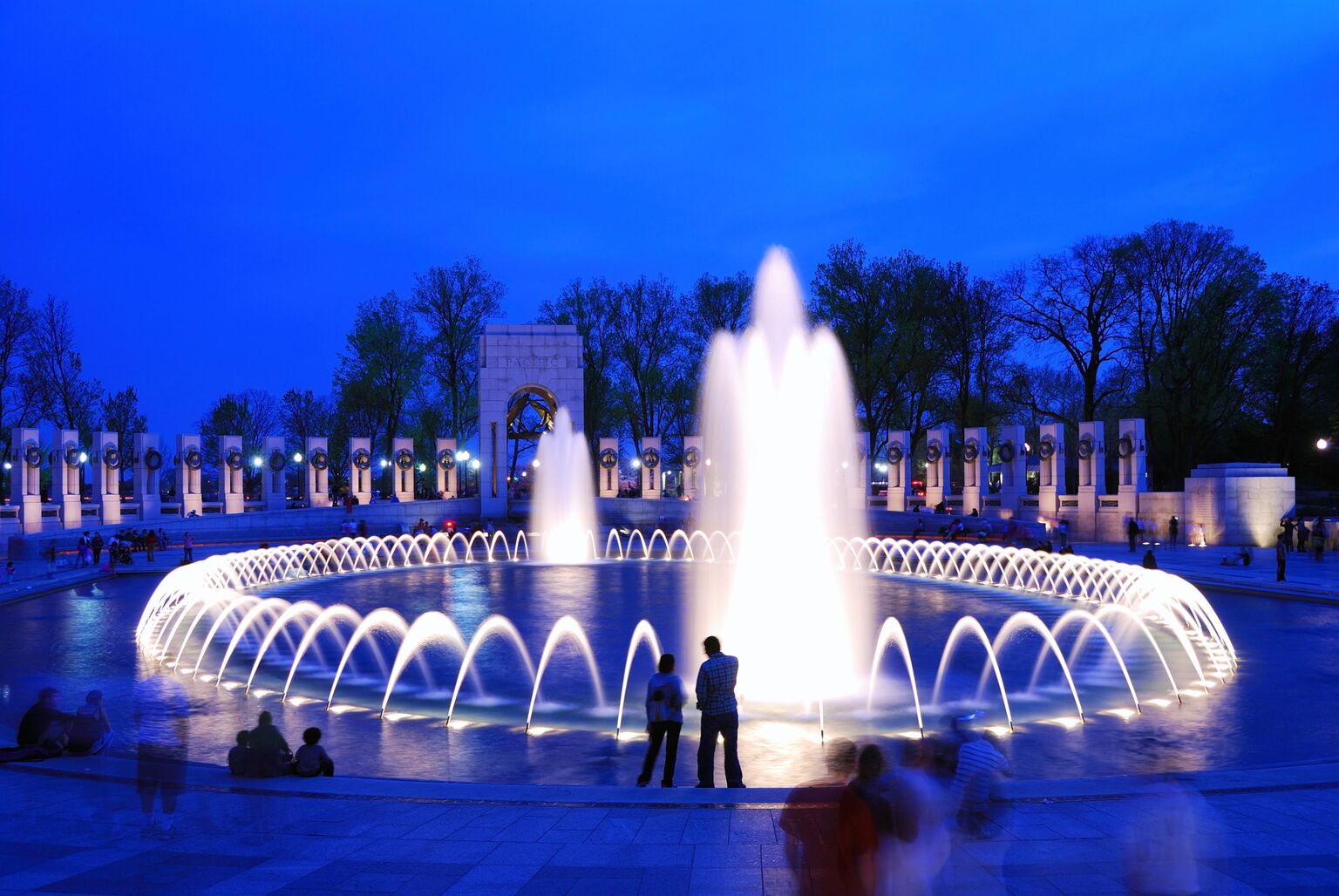
The sound of water probably reaches the ears before the lights reach the eyes if you stroll through any bustling city center tonight. It is a pulsating, rhythmic sound that denotes something more than a public park. The way people engage with their surroundings has changed in the rapidly changing world of 2026. Nowadays, people want to experience a city rather than only view it. The modest public plaza has become a platform for liquid architecture due to this need for immersive settings.
The Shift From Basic Utility To Visual Masterpieces
For decades, the presence of water in urban environments was purely functional. If one walked through a suburban park twenty years ago, the most sophisticated piece of hydraulic technology on display was likely a basic water sprinkler used to keep the grass green during the summer months. These tools were practical, invisible, and strictly utilitarian. However, as urban heat islands became a pressing concern for city planners, the role of water began to change.
Engineers started to ask if the cooling properties of water could be combined with the visual appeal of fine art. This led to the rise of the dancing fountain, a feature that treats water as a malleable medium rather than just a resource. By the mid-2020s, these installations have become the "digital fireplaces" of the modern world, drawing crowds who sit for hours to watch the choreographed interplay of pressure, light, and sound.
The Engineering Behind The Liquid Performance
It appears to be magic to the untrained eye. It is actually a high-speed mechanical engineering achievement. A level of control that was unattainable ten years ago is needed to make the switch from a basic, unpredictable water sprinkler to a high-precision jet.
The "fast-action" solenoid valves used in today's displays may stop a water stream so fast that it produces individual "pearls" of liquid that seem to hover in midair. The water may be blasted more than 100 feet into the air with millisecond accuracy when these valves are combined with high-pressure pumps. Because of this accuracy, the water can "dance" to the beat of intricate musical compositions, producing a scene that seems intelligent and alive.
Smart Integration And Environmental Awareness
Sustainability is a must in 2026. Smart sensors that track wind direction and speed in real time are being included in contemporary aquatic designs. In order to conserve water and keep people dry, the system adjusts the spray's height when the wind increases. In addition, the system cleans the water using UV light and filters rather than harsh chemicals. In this manner, children can safely play in the water. It remains unobstructed throughout.
Economic Vitality And The Power Of Public Attractions
Installing a large water feature is frequently motivated by factors other than aesthetics. According to data from early 2026 urban development surveys, public squares with dancing fountains have a "dwell time" rate that is 22% greater than that of static parks. People spend more money when they stay longer. Once-quiet areas become thriving economic centers as local eateries, stores, and cafes flourish in the spotlight of these attractions.
Social Connectivity In The Digital Age
These tangible markers provide a much-needed break in a time when people's attention is frequently dominated by digital screens. They function as democratic venues where all citizens have front-row seats and no tickets are needed. In expanding metropolitan areas where shared outdoor space is a valuable resource, this social value is especially apparent.
Regional Success Stories And Cultural Landmarks
In Southern Asia, where the climate makes water features particularly appealing, the global trend has witnessed a sharp increase. For example, Lahore's nighttime culture has totally changed since a dancing fountain was installed. These contemporary additions offer a link between the past and the future in a city renowned for its rich architectural legacy.
These initiatives offer more than just a chance to take pictures. The dancing fountain in Lahore serves as a cooling station for the city, bringing the surrounding plaza's temperature down by as much as 4 degrees Celsius. Beauty and biological necessity may coexist, as demonstrated by the "micro-climate" effect that keeps the area functional even in the more humid months.
The Future Of Interactive Aquatic Art
Interactivity is the next frontier for these works as the decade draws to a close. Some cities are already experimenting with "gesture-controlled" fountains, in which the water's color and height are determined by crowd motions. As a result, the distinction between the audience and the art is blurred, and the observer becomes the conductor.
The development of these areas demonstrates how we appreciate nature's unadulterated, physical beauty more as our lives become increasingly digital—especially when it is presented with such amazing technical flair. The fluid, ever-evolving charm of the contemporary fountain is displacing the period of the immobile monument.
Frequently Asked Questions
Are these fountains a waste of water during a drought?
The majority of contemporary installations are 100% closed-loop systems. This implies that they continuously collect, filter, and repurpose the same water. There is very little evaporation, and a lot of systems now have rainwater collection equipment to keep them full without utilizing the municipal supply.
How do the lights avoid short circuits while submerged?
The IP68-rated LED casing used by engineers is made especially for long-term submersion. These lights can rapidly change color even when submerged in many feet of water since they are low-voltage and sealed with industrial-grade resins.
What is the average duration of a performance?
The synchronized musical performances typically last five to fifteen minutes, and the fountain may operate in "passive" mode all day. Instead of a static throng, this results in a rotating timetable that promotes a constant flow of foot traffic.
Are these fountains able to function in the winter?
While most fountains are drained during the winter months to protect the pipes, several in colder climates have heaters for the mechanical parts. They can, however, function all year round in areas with milder weather.

 English
 Arabic
 French
 Spanish
 Portuguese
 Deutsch
 Turkish
 Dutch
Dutch
 Italiano
 Russian
 Romaian
 Greek
Greek
 Hrvatski
 Cehoslowakia