

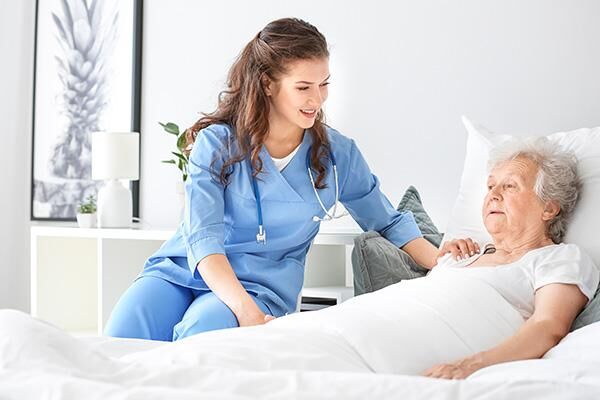
Leaving the hospital is an important milestone in a patient's recovery, but returning home does not always mean that medical care is complete. Many individuals still require professional assistance with medication, wound management, mobility, and regular health monitoring after discharge. Choosing a DHA-licensed Nurse Dubai can help patients receive appropriate nursing support while continuing their recovery in a familiar and comfortable environment. Through professional home nursing and services such as Doctor at Home, patients can access medical assistance without making frequent trips to hospitals or clinics. Licensed nurses help bridge the gap between hospital treatment and recovery at home by following prescribed care plans, monitoring health changes, and supporting patients and their families throughout the healing process.
Understanding the Importance of Post-Discharge Nursing Care:
The period immediately after hospital discharge is important because patients may still be vulnerable to complications, medication-related problems, and difficulties with everyday activities. Individuals recovering from major surgery, serious infections, injuries, or chronic illnesses may need continued medical supervision to ensure that their recovery progresses appropriately. Post-discharge nursing care provides professional assistance with the responsibilities outlined in the patient's discharge instructions and treatment plan. A qualified nurse helps monitor the patient's condition, identify concerning symptoms, and communicate relevant observations to the treating physician. This additional support also helps family members understand their responsibilities and reduces the stress associated with managing medical needs without professional guidance.
Monitoring the Patient's Health and Recovery Progress:
Regular health monitoring is one of the most important responsibilities of a home nurse after hospital discharge. Patients may experience changes in blood pressure, temperature, breathing, pain levels, or general physical condition as they recover. A DHA-licensed Nurse Dubai can monitor relevant health indicators according to the patient's medical requirements and document findings for the treating physician. Depending on the care plan, monitoring may include checking vital signs, observing surgical wounds, assessing mobility, and reviewing changes in appetite or energy levels. Nurses also help identify warning signs such as persistent fever, increasing pain, unusual swelling, breathing difficulties, or sudden changes in alertness. Recognizing these concerns early allows families to seek appropriate medical attention rather than overlooking potentially serious complications.
Supporting Medication Administration and Treatment Compliance:
After leaving the hospital, patients may need to continue several medications, including antibiotics, pain relievers, blood pressure medicines, or other prescribed treatments. Managing different medications can become confusing, particularly for elderly individuals and patients with multiple health conditions. A licensed nurse can support medication administration within their authorized scope of practice while following the physician's instructions. This assistance helps patients maintain consistent treatment routines and reduces the risk of missed doses or incorrect administration. Nursing support may include:
-
Reviewing the discharge medication list.
-
Following prescribed dosages and administration schedules.
-
Administering authorized medications.
-
Monitoring possible side effects or unexpected reactions.
-
Maintaining medication administration records.
-
Reporting medication-related concerns to the treating physician.
Proper medication management supports continuity of treatment and helps patients follow their recovery plans more confidently.
Providing Professional Wound Care After Surgery:
Patients discharged after surgical procedures may require regular wound assessment and dressing changes to support proper healing. Surgical wounds need appropriate hygiene, careful handling, and monitoring to reduce infection risks. Professional nurses can perform prescribed wound care within their scope of practice, observe healing progress, and identify warning signs such as redness, swelling, warmth, unusual discharge, or increasing discomfort. They also follow appropriate infection-prevention practices, including hand hygiene, protective equipment, and safe disposal of medical waste. Families may receive guidance about keeping the affected area clean and recognizing changes that require medical attention. Whether a patient has undergone orthopedic surgery, abdominal surgery, or another procedure, professional wound management can be an important part of post-discharge recovery.
Helping Patients Regain Mobility and Physical Strength:
Hospital stays can lead to reduced muscle strength, fatigue, and limited mobility, particularly among elderly individuals and patients recovering from major operations. Returning to normal activities too quickly may increase discomfort or create additional health risks. Home nurses help patients follow mobility instructions provided by their treating physician or rehabilitation team. Their support may include assisting with safe transfers, appropriate positioning, and everyday movement according to the patient's condition and care plan. They can also monitor discomfort or signs of physical difficulty during routine activities. When physiotherapy is required, nurses can coordinate care with qualified rehabilitation professionals and encourage patients to follow prescribed exercises. This structured approach helps patients gradually regain confidence and independence without exceeding their physical limitations.
Preventing Infections and Other Post-Hospital Complications:
Patients may remain vulnerable to infections and other complications after leaving the hospital, especially if they have surgical wounds, urinary catheters, intravenous lines, or weakened immune systems. Professional nurses play an important role in reducing these risks through appropriate infection-control procedures and regular observation. A DHA-licensed Nurse Dubai can provide authorized catheter care, wound dressing, and other prescribed nursing interventions while monitoring the patient for concerning symptoms. Important warning signs that may require medical assessment include:
-
Persistent or high fever.
-
Increasing redness or swelling around a wound.
-
Unusual wound discharge or unpleasant odor.
-
Severe or worsening pain.
-
Difficulty breathing or chest discomfort.
-
Sudden confusion or unusual drowsiness.
-
Reduced urine output or signs of dehydration.
Families should contact the treating healthcare provider promptly when these symptoms appear. Severe or life-threatening symptoms require immediate emergency medical attention.
Supporting Elderly Patients and Individuals With Chronic Conditions:
Older adults and individuals with chronic illnesses may face additional challenges during post-hospital recovery. Conditions such as diabetes, hypertension, cardiovascular disease, and respiratory disorders can make healing more complicated and require ongoing attention. Home nurses help these patients follow their prescribed care plans while monitoring relevant symptoms and health indicators. For example, a patient with diabetes may need blood glucose monitoring and careful wound observation, while someone with a respiratory condition may require monitoring of breathing patterns and oxygen saturation when prescribed. Nurses can also assist with personal hygiene, positioning, hydration monitoring, and other appropriate nursing responsibilities. This professional support helps vulnerable patients manage their health needs while reducing the burden on family caregivers.
Educating Family Members About Post-Discharge Care:
Family members often become the primary source of everyday support once a patient returns home. However, they may not always understand the medical instructions provided during hospital discharge. Professional nurses help bridge this knowledge gap by explaining care routines, demonstrating appropriate assistance techniques, and answering questions. Families can receive guidance about:
-
Following prescribed medication schedules.
-
Maintaining proper hygiene and infection prevention.
-
Supporting safe movement and positioning.
-
Recognizing symptoms that require medical attention.
-
Maintaining a suitable recovery environment.
-
Following dietary and hydration instructions provided by healthcare professionals.
This education helps relatives provide better everyday support while ensuring that clinical procedures remain the responsibility of qualified healthcare professionals.
Choosing the Right DHA-Licensed Nurse for Home Recovery:
Selecting an appropriate home nursing professional is essential for ensuring that post-discharge care meets the patient's medical requirements. Families should first review the discharge instructions and identify the type of nursing assistance needed. They should verify the nurse's valid DHA licence, confirm that the healthcare provider is appropriately licensed, and check whether the professional has relevant experience with the patient's condition. It is also important to discuss the nursing schedule, treatment responsibilities, documentation, emergency procedures, and communication arrangements with the treating physician. A reputable home healthcare provider should offer a clear care plan that reflects the patient's needs and authorized nursing services. Choosing the right professional helps establish continuity between hospital treatment and recovery at home.
Final Thoughts
Recovering after hospital discharge requires more than rest and medication. Many patients need professional nursing assistance to manage wounds, follow treatment plans, monitor health conditions, prevent infections, and regain everyday independence. A qualified DHA-licensed Nurse Dubai provides valuable support by delivering appropriate nursing care according to the patient's medical requirements and authorized scope of practice. With regular monitoring, personalized care plans, and effective communication with doctors and family members, patients can experience a more organized recovery process at home. Choosing professional post-discharge nursing services helps families manage medical responsibilities while allowing their loved ones to recover in a familiar and comfortable environment.














