

Hair Transplant in Gurgaon: Modern Solutions for Hair Loss and Hair Restoration

Hair plays an important role in enhancing a person's appearance and confidence. However, hair loss has become a common concern among people of different age groups. Factors such as genetics, hormonal changes, stress, nutritional deficiencies, and lifestyle habits can contribute to hair thinning, receding hairlines, and baldness.
With advancements in medical technology, hair restoration treatments have become more effective and accessible. A hair transplant is one of the popular options for individuals looking to restore their natural hair growth and improve their appearance.
Understanding Hair Transplant Treatment
A hair transplant is a medical procedure in which healthy hair follicles are extracted from a donor area, usually the back or sides of the scalp, and implanted into areas affected by hair loss.
The procedure aims to restore hair density and create a natural-looking hairline. Before recommending treatment, specialists evaluate the patient's scalp condition, hair loss pattern, donor hair availability, and medical history.
Why Consider a Hair Transplant?
People experiencing excessive hair loss often explore different solutions, including medications and hair restoration procedures. A hair transplant may offer several benefits:
-
Helps restore hair in areas affected by permanent hair loss.
-
Provides natural-looking results when performed correctly.
-
Uses the patient's own hair follicles.
-
Can improve hairline appearance and overall density.
-
Offers long-lasting results for suitable candidates.
The final outcome depends on individual factors, the surgeon's expertise, and proper aftercare.
Popular Hair Transplant Techniques
There are different techniques available for hair restoration. Two commonly discussed methods include:
1. Follicular Unit Extraction (FUE)
FUE involves extracting individual hair follicles from the donor area and implanting them into the recipient area. It is widely used because it does not require a traditional linear incision.
2. Direct Hair Transplantation (DHT)
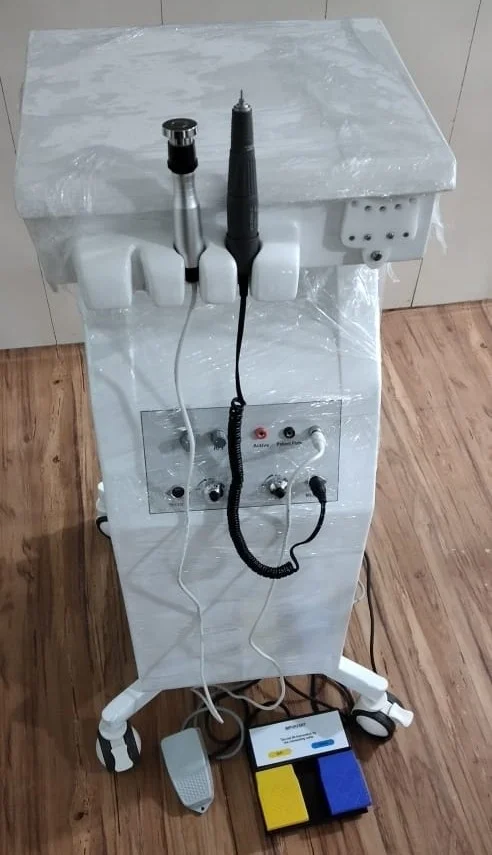
DHT is a hair restoration approach in which extracted follicles are implanted using specialised instruments. The treatment method is selected according to the patient's hair condition and the doctor's assessment.
Finding the Right Hair Restoration Treatment
Choosing the right clinic and medical professional is essential for a successful hair restoration journey. Patients should consider the doctor's qualifications, experience, treatment methods, hygiene standards, and follow-up support.
If you are planning to restore your hair and improve your appearance, explore professional options for Hair Transplant in Gurgaon to learn more about available treatments and hair restoration procedures.
A proper consultation can help you understand the procedure, expected results, treatment costs, and whether you are a suitable candidate.
What Happens During a Hair Transplant Procedure?
A hair transplant generally involves several steps:
-
Scalp Examination: The doctor examines the scalp and evaluates the extent of hair loss.
-
Treatment Planning: The required number of grafts and suitable technique are determined.
-
Follicle Extraction: Healthy hair follicles are collected from the donor area.
-
Recipient Area Preparation: The areas requiring additional hair growth are prepared.
-
Hair Implantation: Extracted follicles are carefully implanted into the targeted areas.
-
Aftercare Guidance: Patients receive instructions for scalp care and recovery.
The procedure duration depends on the number of grafts and the technique being used.
Recovery and Hair Growth After Treatment
Recovery is an important part of the hair transplant process. Patients should follow their doctor's instructions carefully to support healing and protect the transplanted follicles.
Some important aftercare tips include:
-
Avoid scratching or touching the transplanted area.
-
Follow the recommended hair-washing routine.
-
Avoid strenuous exercise until permitted by the doctor.
-
Take prescribed medicines as instructed.
-
Protect the scalp from excessive sun exposure.
-
Attend scheduled follow-up appointments.
Initial shedding of transplanted hair is common. New hair growth generally starts becoming noticeable after a few months, while complete results may take around 9–12 months or longer.
How to Choose a Reliable Hair Transplant Clinic?
Before selecting a hair transplant clinic, consider these important factors:
-
Check the qualifications and experience of the treating doctor.
-
Understand the available hair transplant techniques.
-
Ask about the treatment process and expected recovery time.
-
Discuss the possible risks and realistic outcomes.
-
Review the clinic's hygiene and patient care standards.
-
Make sure proper follow-up support is available.
Avoid making decisions based only on low prices or promotional offers. Medical expertise and patient safety should always be priorities.
Conclusion
Hair loss can affect both appearance and self-confidence, but modern hair restoration treatments provide several options for suitable candidates. A hair transplant can help restore hair density and create a natural-looking appearance when planned and performed by a qualified professional.
Before choosing any procedure, consult an experienced specialist, understand the available techniques, and discuss your expectations. With the right medical guidance and proper aftercare, you can take an informed step towards your hair restoration journey.














