

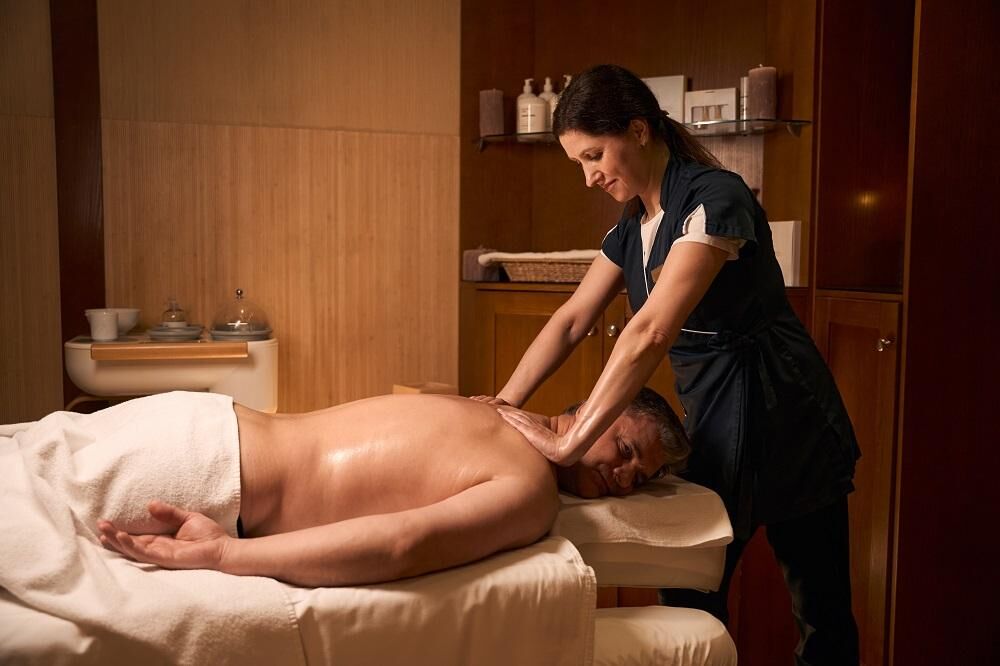

Massage once felt like an occasional treat. Today it has become a regular part of many health routines. People book sessions for many reasons. Some seek comfort while others need relief.
This article explores the most common motivations. It also explains how professional massage supports each one. Understanding these reasons helps you decide if massage fits your life.
Relief From Muscle Pain
Muscle pain is the top reason people book massage. Backs, necks, and shoulders carry daily strain. Pain may build slowly or arrive suddenly. Either way, it affects mood and energy.
Massage eases tight muscles through pressure and movement. Blood flow increases. Tension softens. Many people feel relief within a single session.
Professional therapists assess where pain comes from. They may find trigger points or overworked muscles. They tailor techniques to suit. Repeat visits often bring cumulative benefit.
Acute and Chronic Pain
Acute pain follows a recent strain or injury. Chronic pain lasts for months. Massage can help both, though goals differ. Acute care aims to ease spasm. Chronic care aims to reduce ongoing tension and improve function.
Stress Reduction
Modern life is demanding. Work, family, and money worries pile up. The body responds with tension and fatigue. Sleep often suffers.
Massage invites the body into a calmer state. Slow strokes and warm hands soothe the nervous system. Breathing deepens. Heart rate may slow.
Many people book sessions purely to unwind. They value the quiet time. It is a pause from constant demands. Regular visits help keep stress from building.
Recovery From Exercise
Active people use massage to recover. Hard workouts leave muscles sore. Stiffness can limit the next session. Massage helps ease that soreness.
Therapists target areas stressed by your sport. Runners may need calf and hip work. Lifters may need shoulder and back care. Cyclists often need relief for hips and necks.
Massage also helps athletes feel ready. Pre-event sessions warm tissue and calm nerves. Post-event sessions support comfort. Many athletes schedule regular maintenance.
Posture and Desk Strain
Desk workers often struggle with posture. Hours at a screen tighten the neck and chest. Hips stiffen from sitting. Lower backs ache by the end of the day.
Massage releases these tight areas. It supports better posture by balancing muscle tone. Therapists may also suggest stretches. Workstation tips can reduce future strain.
Regular sessions act like a reset button. Without them, tension can build again quickly. Many office workers book monthly visits. Others come more often during busy seasons.
Tech Neck Relief
Phones and tablets add more strain. Looking down loads the neck heavily. Massage can ease the muscles at the base of the skull. Combined with breaks and posture changes, it helps reduce headaches.
Headache and Jaw Tension
Tension headaches often start in the neck and shoulders. Tight muscles pull on the head. The result is a dull, constant ache. Many people reach for medication.
Massage offers another option. Working the neck, scalp, and shoulders can reduce tension. Some therapists also address the jaw muscles. Clenching and grinding often contribute to headaches.
Not all headaches are muscular. Severe or unusual headaches need medical review. A professional therapist will advise you. Safety comes before any treatment.
Better Sleep
Poor sleep affects everything. Mood, memory, and recovery all suffer. Physical tension makes rest harder. Racing thoughts add to the problem.
Massage can help prepare the body for sleep. Muscles relax and the mind quiets. Many clients report sleeping more deeply afterward. Evening sessions can be especially restful.
Pair massage with good sleep habits. Keep a regular bedtime and limit screens at night. A dark, cool room helps too. Together these steps support lasting improvement.
Support During Injury Recovery
Massage often forms part of a recovery plan. After injuries heal, scar tissue and stiffness may remain. Gentle techniques can improve movement. They also ease protective muscle tension.
Coordination matters. Therapists work best alongside doctors and other professionals. They follow your care team's guidance. They avoid areas that need rest.
People appreciate the hands-on attention. Injury can feel isolating. A caring therapist offers comfort and encouragement. This emotional support has real value.
Choosing a Trusted Provider
Quality matters when choosing massage. Look for registered therapists with proper training. Ask about their approach and experience. Check cleanliness and privacy standards.
Many residents seek Lakeshore massage therapy from clinics that combine professional skill with a welcoming setting. A good clinic explains services clearly. It offers different session lengths. It also respects your comfort at every step.
Consider convenience as well. Easy booking and reasonable travel time help you stay consistent. Regular visits often matter more than occasional perfect ones. Choose a place you will actually use.
Pregnancy and Special Populations
Pregnancy changes the body. Back and hip discomfort are common. Prenatal massage uses special positioning and gentle techniques. It can ease strain and support relaxation.
Older adults also benefit. Massage may relieve stiffness and improve comfort. Therapists adapt pressure for sensitive skin and joints. Gentle sessions can brighten mood.
People with health conditions should consult their doctors first. Share all medical details with your therapist. They can adjust or advise accordingly. Safe care is always the priority.
Self-Care and Wellness
Some people choose massage as a form of self-care. They want time devoted to their own wellbeing. This reason is valid and important. Good health includes rest and comfort.
Regular massage encourages body awareness. You notice tension earlier and respond sooner. You may also adopt healthier habits. Small shifts add up.
Self-care does not need to be extravagant. A short session can refresh you. Think of it as maintenance, like exercise or sleep. Prioritizing it supports long-term wellness.
Final Thoughts
People choose professional massage for many reasons. Pain relief, stress reduction, recovery, and better posture are common. Sleep support and injury recovery also rank high.
Whatever your reason, clear communication guides success. Share your goals and concerns with your therapist. Build a schedule that fits your life. Over time, you may find massage becomes a valued part of your wellness routine.














