


Calgary is a city that loves to move. Residents run, ski, skate, climb, and cycle throughout the year. This lifestyle brings many health benefits. It also brings risk. Preventing injury keeps you active for longer and costs far less than recovery.
The True Cost of Injury
Injury affects more than the damaged tissue. It disrupts training, work, and family life. You may lose fitness and confidence. You may face medical costs and time off. Recovery can take weeks or months.
There is an emotional cost too. Many people feel frustrated and low when they cannot move. Social routines often revolve around activity. Missing them can feel isolating. Prevention protects these parts of life.
Repeated injuries also raise long-term risk. Damaged joints may develop arthritis earlier. Weak tissue may fail again. Prevention is not only about today. It supports lifelong mobility.
How Injuries Happen
Most injuries result from load exceeding tolerance. Load is the stress you place on your body. Tolerance is what your tissues can handle. When load rises too fast, tissue breaks down. Fatigue and poor technique make this more likely.
Sudden injuries come from accidents. A slip on ice or a collision can happen to anyone. You cannot prevent every accident. You can, however, prepare your body to handle them. Strength and balance reduce the damage.
Gradual injuries come from repeated overload. Tendon pain and stress fractures are typical. They appear after weeks of too much activity. Sudden jumps in training are a common trigger. Smart planning avoids them.
The Calgary Factor
Local conditions shape injury risk. Cold weather stiffens muscles and reduces flexibility. Ice raises the chance of slips and falls. Dry air can lead to dehydration. Altitude may increase fatigue during intense effort.
Seasonal shifts also matter. Many people become less active in winter. Spring then brings a rush back to running and cycling. Tissues that lost conditioning suddenly face heavy demand. This is a classic recipe for overuse injury.
Popular activities carry their own risks. Skiing and snowboarding stress the knees and shoulders. Hockey involves collisions and fast pivots. Running and hiking load the feet and legs. Knowing these patterns helps you prepare.
Warm Up and Cool Down Well
A good warm-up prepares the body for activity. It raises muscle temperature and heart rate. It also improves joint movement and nerve readiness. Five to ten minutes is usually enough. In cold weather, take a little longer.
Use dynamic movements rather than long static stretches. Leg swings, lunges, arm circles, and light jogging work well. Mimic the movements of your activity. Increase intensity gradually. By the end, you should feel warm and ready.
Cool-downs also help. Slow your pace for several minutes. Add gentle stretching if it feels good. This helps the body shift toward recovery. It may also reduce next-day stiffness.
Build Strength and Balance
Strong muscles protect joints. They absorb shock and control movement. Focus on legs, hips, core, and shoulders. These areas support nearly every activity. Two or three sessions weekly can make a major difference.
Balance training reduces falls and sprains. Single-leg exercises are simple and effective. Add unstable surfaces as you progress. Practise changing direction and landing safely. These skills transfer directly to sport and winter walking.
Include flexibility work for tight areas. Hips, hamstrings, calves, and shoulders often need it. Avoid forcing stretches. Gentle, regular practice yields lasting gains. Mobility and strength complement each other.
Value of Sports Physiotherapy Calgary Programs for Prevention
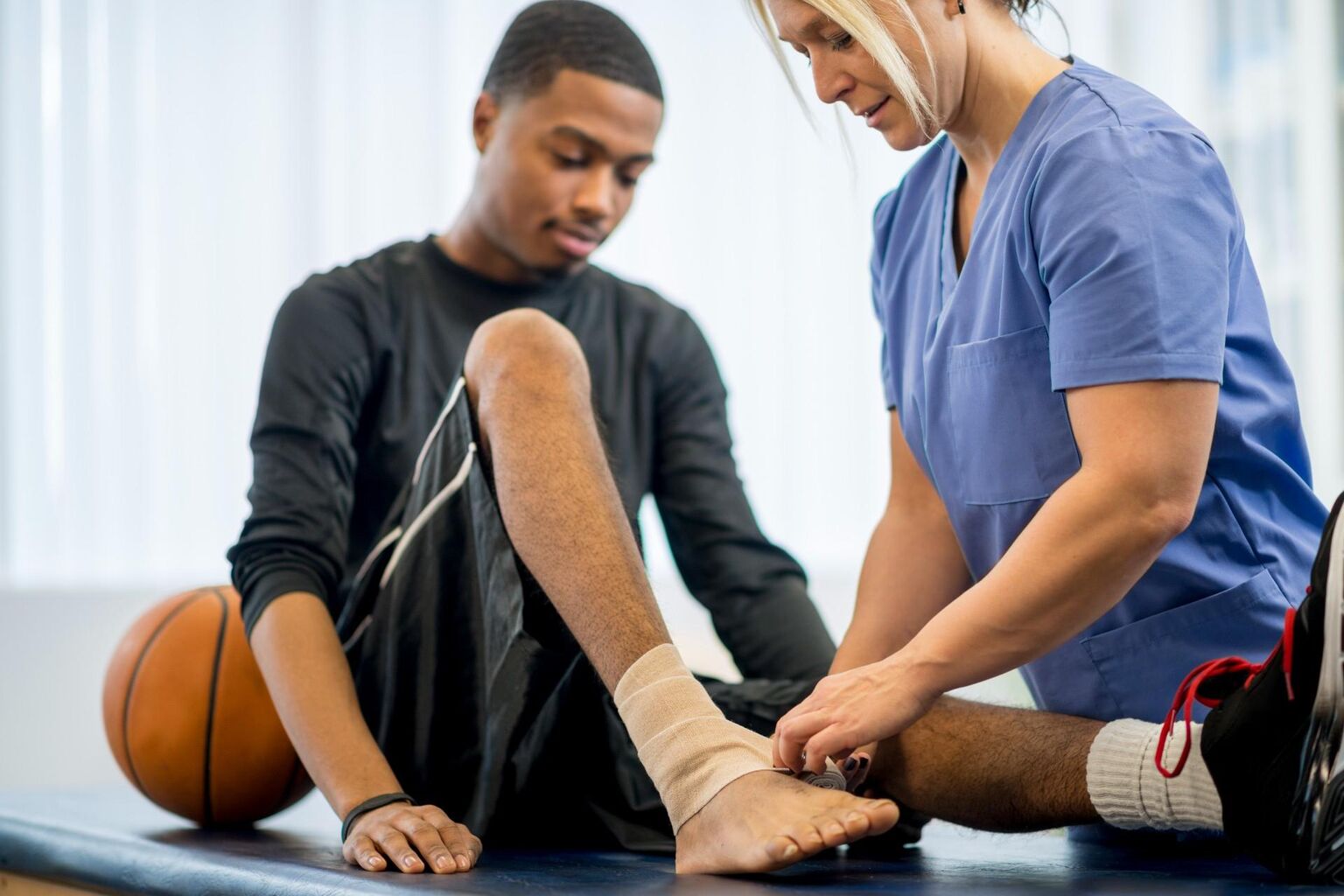
Professional screening can identify hidden risks. Many active residents use sports physiotherapy Calgary services to check movement quality before problems appear. A therapist can find weak glutes, stiff ankles, or poor landing patterns. They then design targeted exercises. This is far easier than treating an injury later.
Therapists also tailor advice to your activity. A recreational runner needs different guidance from a weekend hockey player. They can suggest warm-ups, strength plans, and training adjustments. They help you progress safely. This personal approach tends to work better than generic tips.
Regular check-ins can be valuable too. Bodies change with age and training. A yearly review keeps your plan current. It also builds a relationship with a provider who knows your history. Quick access to advice helps when niggles appear.
Progress Training Gradually
Sudden increases in training are a leading cause of injury. Many experts suggest raising load in small steps. A common rule is to avoid large weekly jumps in distance or time. Allow your body to adapt. Include easier weeks to recover.
Listen to early warning signs. A mild ache that fades with warm-up may be fine. Pain that grows during activity is not. Reduce load if symptoms build. Early adjustment prevents bigger problems.
Vary your training as well. Mixing running, cycling, and strength work spreads stress. This lowers the risk of overuse. It also keeps training fun. Variety supports consistency.
Choose the Right Equipment and Technique
Good gear matters. Shoes should suit your foot and activity. Replace them when worn out. Use helmets and protective pads where appropriate. Make sure they fit well.
In winter, wear footwear with strong traction. Use layers that allow free movement. Add visibility gear for dark commutes. Check that skis, skates, and bindings are maintained. Small checks prevent large problems.
Technique also deserves attention. Poor form overloads tissues. Coaching can help you move more efficiently. Video feedback can reveal habits you cannot feel. Even small corrections can lower injury risk.
Recovery, Sleep, and Nutrition
Recovery is part of training. Muscles and tendons adapt during rest. Without enough sleep, repair suffers. Aim for seven to nine hours each night. Keep a regular routine.
Nutrition fuels adaptation. Eat enough protein and total energy. Include fruits, vegetables, and whole grains. Stay hydrated, especially in dry weather. Speak to a dietitian if you need personal advice.
Schedule rest days. Easy days help your body absorb training. Stress outside sport also counts. Heavy work or family strain can reduce recovery. Balance your whole life load.
Final Thoughts
Injury prevention matters because it protects your health, time, and enjoyment. Calgary's climate and lifestyle create unique risks. Smart habits reduce them. Warm up well, build strength, and progress gradually.
Seek professional screening when you can. Choose good equipment and respect recovery. Small steps repeated over time bring large benefits. Stay curious about your body. Healthy movement is a lifelong investment.