


Thinning hair can gradually affect hair density, styling flexibility, and overall confidence. Whether caused by genetics, hormonal changes, ageing, nutritional deficiencies, or other factors, reduced hair volume can make individuals explore different approaches to improving hair health. Modern aesthetic solutions offer several options for supporting stronger-looking and fuller hair, including Hair Fillers Treatment in Dubai, which has gained attention for its potential to improve hair quality and support healthier-looking growth. Understanding how this treatment works, its potential benefits, and who may benefit from it can help individuals make informed decisions about managing thinning hair.
Understanding Hair Thinning and Its Common Causes
Hair thinning is a gradual reduction in hair density that may affect specific areas or the entire scalp. Some individuals notice a wider parting, reduced volume around the crown, or increased visibility of the scalp. Others experience weaker strands that break more easily, making their hair appear less dense.
Several factors can contribute to this concern, including:
-
Genetic factors: Hereditary hair loss can influence hair follicle activity and gradually reduce hair density.
-
Hormonal changes: Fluctuations in hormone levels may affect normal hair growth patterns.
-
Nutritional deficiencies: Insufficient iron, protein, and essential nutrients can influence hair health.
-
Stress: Physical or emotional stress may contribute to temporary changes in the hair growth cycle.
-
Ageing: Hair follicles may become less active over time, resulting in finer and weaker strands.
-
Scalp conditions: Certain scalp concerns can interfere with a healthy environment for hair growth.
Identifying the underlying cause is important because different types of hair thinning may require different treatment approaches.
What Is Hair Fillers Treatment?
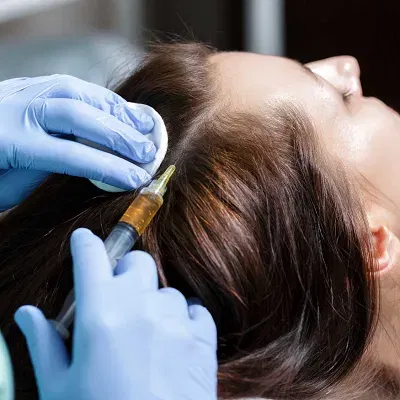
Hair fillers are specialised injectable formulations designed to support scalp and hair health. Depending on the formulation, these products may contain peptides, hyaluronic acid, and other supportive ingredients intended to improve the condition of the scalp and hair follicles.
Unlike conventional topical products that are applied directly to the hair, injectable hair treatments are administered into selected areas of the scalp. Their purpose is to deliver active ingredients locally and support conditions associated with healthier-looking hair.
The treatment is generally explored by individuals experiencing reduced hair density, weakened strands, or early signs of hair thinning. However, its suitability depends on the individual's hair condition, scalp health, and the specific formulation being used.
How Does Hair Fillers Treatment Work for Thinning Hair?
Hair fillers are designed to support the scalp environment and improve the overall condition of the hair. Certain formulations contain bioactive peptides that may influence biological processes associated with hair follicle activity.
The treatment may work through several mechanisms:
Supporting Hair Follicle Activity
Hair follicles play an essential role in producing and maintaining healthy strands. Certain peptide-based formulations are designed to support follicular activity, potentially helping improve the appearance of thinning areas.
Improving Scalp Hydration
Some hair filler formulations contain hyaluronic acid, an ingredient known for its moisture-retaining properties. Maintaining scalp hydration can contribute to a healthier scalp environment.
Supporting Hair Quality
Weak, fragile strands can make thinning appear more noticeable. Depending on the formulation, hair filler treatments may help improve the overall condition and appearance of existing hair.
Encouraging a Healthier Scalp Environment
A balanced scalp environment is important for normal hair growth. Injectable formulations may provide supportive ingredients intended to improve scalp conditions, although results depend on individual factors and the treatment used.
Is Hair Fillers Treatment Effective for Thinning Hair?
Hair fillers may be beneficial for selected individuals experiencing certain forms of hair thinning, particularly when the treatment is appropriate for their scalp condition and underlying concerns.
Some individuals may notice improvements in hair texture, thickness, or overall appearance following a recommended treatment course. However, the effectiveness of hair fillers should not be considered universal.
Results depend on several factors, including:
-
The underlying cause of hair thinning.
-
The condition and activity of existing hair follicles.
-
The ingredients and formulation used.
-
The individual's overall scalp health.
-
The recommended treatment protocol.
-
Consistency with professional recommendations.
It is also important to understand that hair fillers are not a guaranteed solution for every type of hair loss. They may not restore hair in areas where follicles are no longer capable of producing new strands. A proper assessment helps determine whether this approach is suitable.
Who May Benefit from Hair Fillers?
Hair fillers may be considered by individuals who want to improve the appearance and condition of thinning hair without immediately exploring more invasive approaches.
Potential candidates may include:
Individuals Experiencing Early Hair Thinning
People noticing reduced density or finer strands may explore hair fillers as part of a broader hair restoration approach.
Individuals With Weak Hair Strands
Those experiencing fragile hair that lacks its previous thickness may be interested in treatments designed to support scalp and hair quality.
People Experiencing Reduced Hair Volume
Individuals noticing a gradual decrease in overall hair volume may consider this option following a professional scalp assessment.
Individuals Seeking Non-Surgical Hair Support
Hair fillers offer an injectable approach rather than a surgical hair restoration procedure. They may appeal to people interested in exploring non-surgical options for improving hair appearance.
However, suitability should always be determined through an individual evaluation rather than assumptions based on visible thinning alone.
What Happens During a Hair Fillers Treatment Session?
Understanding the treatment process can help individuals feel more comfortable before considering the procedure. Although the exact approach may vary depending on the product and treatment protocol, sessions generally involve several stages.
Initial Scalp Assessment
The process begins with an evaluation of the scalp, hair density, and areas experiencing thinning. This helps establish whether injectable hair fillers are an appropriate option.
Preparation of the Treatment Area
The selected scalp areas are prepared before the procedure. Appropriate hygiene measures are followed to maintain a clean treatment environment.
Application of Hair Fillers
The specialised formulation is administered into selected areas of the scalp using suitable injection techniques. The application is planned according to individual hair concerns and the recommended protocol.
Post-Treatment Guidance
After the session, individuals receive instructions regarding scalp care and activities to avoid temporarily. Following professional guidance helps support appropriate recovery.
How Many Sessions Are Needed for Visible Results?
The number of sessions required depends on the formulation, degree of thinning, and individual response to treatment. Some protocols involve multiple sessions scheduled at specific intervals rather than a single application.
Hair growth naturally follows different phases, including growth, transition, and resting periods. Therefore, improvements in hair appearance may take time to become noticeable.
Individuals should avoid expecting immediate changes after their first session. A personalised treatment schedule and periodic assessment can help evaluate progress and determine whether further sessions are appropriate.
Hair Fillers Versus Other Hair Thinning Treatments
Several approaches are available for individuals experiencing thinning hair. Each option works differently and may address particular causes or stages of hair loss.
Topical treatments are applied directly to the scalp and may help manage certain forms of hair loss. Oral medications may be recommended for specific conditions following medical evaluation. Platelet-rich plasma therapy uses components derived from an individual's blood, while hair transplantation involves relocating hair follicles to areas with reduced density.
Hair fillers differ because they use specialised injectable formulations intended to support scalp and hair health.
The most appropriate option depends on the underlying diagnosis, treatment goals, and individual circumstances. In some cases, a combination of approaches may be considered as part of a comprehensive hair restoration plan.
Factors to Consider Before Choosing Hair Fillers
Before undergoing treatment, individuals should consider several important factors to ensure their expectations are realistic.
-
Underlying hair concern: Identifying the cause of thinning helps establish whether hair fillers are appropriate.
-
Treatment formulation: Different products may contain different active ingredients and have varying evidence supporting their use.
-
Expected outcomes: Improvements vary, and complete restoration of lost hair should not be assumed.
-
Scalp condition: Existing scalp irritation, inflammation, or infection should be evaluated before treatment.
-
Professional assessment: A qualified professional can recommend an appropriate approach based on individual needs.
Open communication about medical history, current medications, and previous hair treatments is also important when planning an injectable procedure.
Maintaining Hair Health Alongside Treatment
Hair restoration is not limited to professional procedures. Everyday habits can also contribute to maintaining healthier hair and supporting overall scalp condition.
A balanced diet containing adequate protein, iron, vitamins, and minerals helps provide nutrients required for normal hair growth. Gentle hair care practices can reduce unnecessary breakage, while avoiding excessive heat styling and harsh chemical treatments may help preserve strand strength.
Managing stress, maintaining a consistent hair care routine, and addressing identified nutritional deficiencies can also contribute to better hair health.
These habits do not replace appropriate treatment for underlying hair loss, but they can complement a broader approach to hair care.
Book Us
Thinning hair can have different causes, making personalised treatment planning essential for achieving realistic hair restoration goals. Individuals interested in improving hair density and supporting healthier-looking strands can explore Hair Fillers Treatment at Enfield Royal Clinic Dubai. The clinic offers a professional approach focused on individual hair concerns, scalp assessment, and suitable treatment recommendations. Book a consultation at Enfield Royal Clinic Dubai to explore available options and discover whether this treatment aligns with your hair restoration goals.