

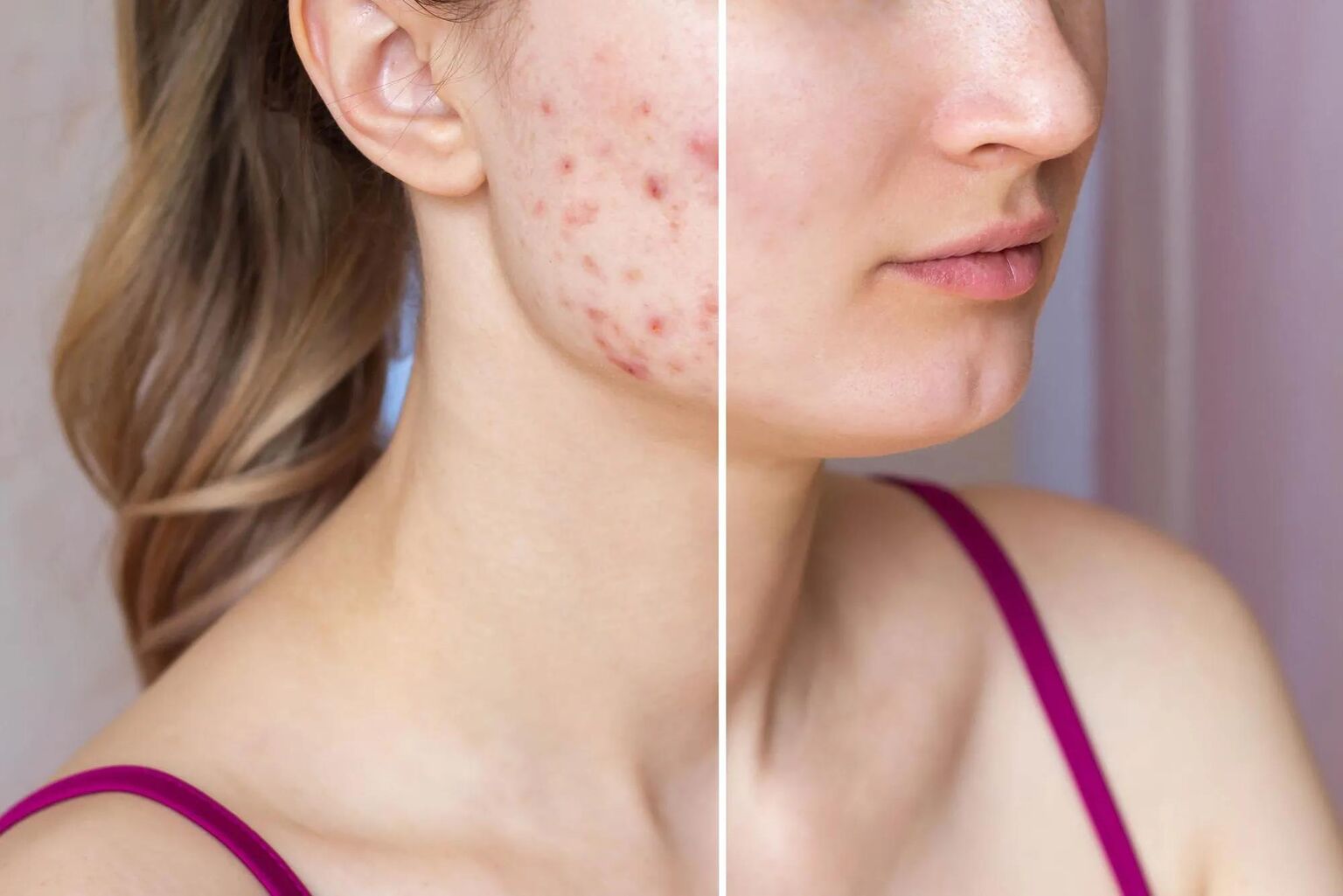
Acne Treatment in Dubai: What to Expect During Your Treatment Journey
Acne is one of the most common skin concerns, affecting people of different ages and skin types. It can appear as small bumps, blackheads, whiteheads, inflamed pimples, or deeper breakouts that may leave visible marks. Although acne is often associated with adolescence, many adults also experience persistent or recurring breakouts due to hormonal changes, excess oil production, genetics, stress, and other contributing factors.
Modern dermatological treatments offer several approaches to managing acne and improving overall skin condition. However, achieving clearer-looking skin requires more than choosing a skincare product or undergoing a single procedure. Understanding the underlying causes, identifying the type of acne, and following a personalized treatment plan are important parts of the journey.
When considering Acne treatment in Dubai, patients should understand what happens during the initial consultation, how treatment options are selected, and what improvements may occur over time. Every individual's skin responds differently, making professional assessment essential for selecting suitable solutions.
Perla Dermatology Clinic emphasizes personalized dermatological care, focusing on individual skin concerns and treatment approaches that support healthier-looking skin. With appropriate guidance, patients can better understand their acne concerns and follow a structured journey toward improving their complexion.
Understanding Acne and Its Causes
Acne develops when hair follicles become clogged with oil, dead skin cells, and other debris. The skin naturally produces sebum through sebaceous glands, which helps maintain moisture. However, excessive oil production combined with dead skin cell accumulation can contribute to blocked pores.
Bacteria and inflammation may also contribute to the development of acne lesions, resulting in redness, swelling, and discomfort.
Several factors can influence acne development.
Excess Sebum Production
Sebaceous glands produce natural oils that protect the skin. When excess sebum accumulates, it can contribute to clogged pores and breakouts.
Blocked Hair Follicles
Dead skin cells may accumulate inside hair follicles, mixing with sebum and creating conditions that encourage acne formation.
Bacterial Activity
Cutibacterium acnes is a bacterium naturally present on the skin. Changes within blocked follicles can encourage bacterial activity and contribute to inflammation.
Hormonal Changes
Hormonal fluctuations can influence oil production, which is why acne may become more noticeable during puberty, menstrual cycles, pregnancy, or certain hormonal conditions.
Genetic Factors
Family history can influence an individual's tendency to develop acne, including the severity and persistence of breakouts.
Understanding these contributing factors helps dermatologists develop appropriate treatment strategies for individuals exploring Acne treatment in Dubai.
Different Types of Acne
Identifying the type of acne is an important step in creating a personalized treatment plan. Different acne lesions may require different approaches depending on their appearance, severity, and underlying causes.
Blackheads
Blackheads are small, open clogged pores that appear dark on the skin's surface. Their color results from the interaction of the material inside the pore with air.
Whiteheads
Whiteheads develop when pores become blocked beneath the skin's surface. They usually appear as small, skin-colored or white bumps.
Papules
Papules are small, inflamed bumps that may appear red or pink. They can feel sensitive and are generally more noticeable than non-inflammatory acne.
Pustules
Pustules are inflamed acne lesions that contain visible pus. They often have a red base with a white or yellow center.
Nodules
Nodular acne develops deeper within the skin and can create firm, painful bumps. It generally requires professional dermatological evaluation.
Cystic Acne
Cystic acne is a more severe inflammatory form of acne that involves deeper lesions. It may increase the likelihood of scarring and usually requires a carefully supervised treatment approach.
Correctly identifying the type of acne helps determine which treatment options may be appropriate.
Why Professional Acne Assessment Is Important
Acne can develop for different reasons, and not every individual responds to the same treatment. A professional skin assessment helps identify the nature of the breakouts and determine suitable management options.
At Perla Dermatology Clinic, personalized assessment can consider several important factors.
Skin Type
Oily, dry, combination, and sensitive skin types may respond differently to acne treatments. Understanding skin characteristics helps guide product and procedure selection.
Acne Severity
The number, type, and distribution of acne lesions help determine whether the condition is mild, moderate, or severe.
Breakout Patterns
The location and frequency of breakouts can provide useful information about possible contributing factors.
Previous Treatment History
Patients should discuss previous acne medications, skincare products, and professional procedures, including any improvements or unwanted reactions.
Existing Acne Marks
Some individuals experience active breakouts alongside post-acne discoloration or scarring. These concerns may require separate treatment considerations.
Individual Expectations
Understanding whether the main concern is active acne, recurring breakouts, dark marks, or uneven skin texture helps establish realistic treatment goals.
A detailed assessment makes Acne treatment in Dubai more personalized by ensuring that recommendations reflect the individual's actual skin condition.
What to Expect During Your First Acne Consultation
The first consultation is an important stage of the acne treatment journey. It provides an opportunity to discuss skin concerns, understand possible causes, and explore appropriate treatment options.
The consultation generally involves several steps.
Discussion of Skin Concerns
The dermatologist asks about the patient's acne history, including when breakouts started, which areas are affected, and whether the condition has changed over time.
Examination of the Skin
The skin is examined to identify different acne lesions, inflammation, clogged pores, and any visible marks or scars.
Review of Medical History
Information about existing medical conditions, medications, allergies, and previous treatments helps the dermatologist evaluate treatment suitability.
Assessment of Lifestyle and Skincare Habits
Certain lifestyle factors and skincare practices may influence acne. The dermatologist may discuss cleansing habits, cosmetic products, and other relevant routines.
Development of a Personalized Treatment Plan
Following the assessment, suitable treatment options are discussed according to acne type, severity, and individual needs.
For patients considering Acne treatment in Dubai, this consultation helps establish a clear understanding of the treatment journey and the expected progress.
Different Acne Treatment Options Available
Modern dermatology offers several approaches to managing acne. The choice of treatment depends on the type of acne, its severity, skin sensitivity, and individual response.
Topical Acne Treatments
Topical treatments are commonly used to manage mild to moderate acne. They are applied directly to the skin and may help reduce clogged pores, control oil production, or address inflammation.
Depending on the patient's skin condition, a dermatologist may recommend ingredients such as:
-
Salicylic acid to help unclog pores and remove accumulated dead skin cells.
-
Benzoyl peroxide to reduce acne-causing bacterial activity.
-
Retinoids to support skin cell turnover and prevent clogged pores.
-
Azelaic acid to help manage acne and post-inflammatory discoloration.
-
Niacinamide to support the skin barrier and improve the appearance of redness.
Not every ingredient is appropriate for every individual. A dermatologist can recommend suitable products and explain how to introduce them into a skincare routine.
Oral Acne Medications
Some patients with persistent, widespread, or inflammatory acne may require oral medications.
Depending on the clinical assessment, options may include certain antibiotics, hormonal treatments, or isotretinoin for selected cases of severe acne.
These medications require appropriate medical supervision. The dermatologist determines whether they are suitable and explains the necessary monitoring and treatment considerations.
Chemical Peels
Chemical peels use selected exfoliating ingredients to improve the appearance of the skin's surface.
Depending on the formulation, they may help address clogged pores, superficial acne marks, and uneven skin texture.
The dermatologist selects an appropriate peel according to the patient's skin type, acne condition, and sensitivity.
Laser and Light-Based Treatments
Certain laser and light-based technologies may be considered as part of acne management.
Different technologies target different skin concerns, including selected forms of inflammation, discoloration, and acne-related marks.
The suitability of these treatments depends on the individual's condition and the technology being used. They may be recommended alongside other treatments rather than as a replacement for medical acne management.
Acne Scar Treatments
Some patients continue to experience visible scars after active acne has improved. Depending on scar type, professional options may include microneedling, selected laser procedures, or other dermatological treatments.
Different scar patterns require different approaches. Treatment planning should consider scar depth, skin texture, and individual skin characteristics.
These treatment options demonstrate why Acne treatment in Dubai should be based on a personalized dermatological assessment rather than a single standard solution.
Understanding Acne Treatment Cost in Dubai
Treatment pricing is an important consideration for individuals planning professional acne care. Acne treatment cost in Dubai can vary depending on the severity of the condition, selected treatment method, number of sessions, and individual skin requirements.
There is no single price that applies to every patient because acne treatment plans are different.
Several factors may influence the overall cost.
Type of Acne
Mild acne may require a different treatment approach compared with persistent inflammatory or cystic acne. The complexity of the condition can influence the treatment plan.
Selected Treatment Method
Topical products, oral medications, chemical peels, laser procedures, and scar treatments have different pricing structures.
Number of Sessions
Some professional procedures may require multiple sessions to achieve the desired improvement. The number of appointments can influence the overall cost.
Treatment Area
Acne affecting only the face may require a different approach compared with breakouts involving the chest, shoulders, and back.
Practitioner Expertise
The qualifications and experience of the treating dermatologist are important considerations when evaluating professional acne care.
Individual Skincare Requirements
Some patients may require additional skincare products or maintenance treatments as part of their overall plan.
When researching Acne treatment cost in Dubai, patients should consider the complete treatment journey instead of focusing only on the price of a single procedure.
At Perla Dermatology Clinic, treatment recommendations are based on individual skin concerns and clinical assessment. Understanding the proposed treatment, expected duration, and associated costs helps patients make informed decisions.
How to Prepare for Your Acne Treatment Appointment
Preparing for a dermatology appointment can help make the consultation and treatment process more organized.
Before attending an appointment, patients should consider the following:
-
Make a note of their main acne concerns.
-
Inform the dermatologist about previous acne treatments.
-
Share details of current medications and supplements.
-
Mention any known allergies or skin sensitivities.
-
Discuss previous reactions to skincare ingredients.
-
Avoid introducing several new active skincare products before the appointment.
-
Bring information about products currently used in the skincare routine.
-
Ask questions about treatment duration and expected progress.
Patients should also avoid picking or squeezing active acne lesions before their appointment, as this can increase inflammation and contribute to post-acne marks.
The dermatologist may provide additional preparation instructions depending on the treatment selected.
What Happens During Your Acne Treatment Journey?
Acne management is generally a gradual process rather than a single appointment. Patients may move through several stages as their skin condition is assessed, treated, and monitored.
Stage One: Initial Evaluation
The dermatologist examines the skin, identifies the acne type, and discusses the factors that may be contributing to breakouts.
Stage Two: Treatment Selection
A personalized treatment plan is developed. This may involve topical products, medications, professional procedures, or a combination of suitable approaches.
Stage Three: Beginning Treatment
Patients begin the recommended treatment according to the dermatologist's instructions. They may receive guidance about product application, frequency, and skincare habits.
Stage Four: Monitoring Skin Response
The dermatologist evaluates how the skin responds over time. Improvements, irritation, or ongoing breakouts may influence future recommendations.
Stage Five: Adjusting the Treatment Plan
If necessary, the dermatologist may modify products, treatment frequency, or procedures according to the patient's progress.
Stage Six: Maintenance and Prevention
Once acne becomes more controlled, the focus may shift toward maintaining improvements and reducing the likelihood of future breakouts.
This structured process helps individuals understand what to expect when choosing Acne treatment in Dubai.
The Importance of a Personalized Skincare Routine
A suitable skincare routine can support professional acne treatments and help maintain overall skin health.
However, using too many products or choosing unsuitable ingredients may irritate the skin and make acne concerns more difficult to manage.
A dermatologist may recommend a simple routine based on individual requirements.
Gentle Cleansing
A suitable cleanser helps remove excess oil, sweat, and daily impurities without unnecessarily stripping the skin.
Appropriate Moisturizing
Even oily and acne-prone skin requires hydration. A lightweight, non-comedogenic moisturizer may help support the skin barrier.
Targeted Acne Products
Products containing dermatologist-recommended ingredients can help manage clogged pores and active breakouts.
Daily Sun Protection
Broad-spectrum sunscreen helps protect the skin from ultraviolet exposure, which can make post-acne discoloration more noticeable.
Consistent Product Use
Following a consistent routine is generally more helpful than frequently changing products.
Perla Dermatology Clinic emphasizes skincare recommendations that consider skin type, acne severity, and individual treatment goals.
How Long Does Acne Treatment Take?
The duration of acne treatment varies from one individual to another. Some patients may begin noticing improvements within several weeks, while others require a longer treatment period.
The timeline depends on several factors:
-
Type and severity of acne.
-
Selected treatment method.
-
Individual skin response.
-
Consistency with the recommended routine.
-
Hormonal and genetic influences.
-
Presence of inflammation or acne scarring.
Topical acne treatments often require several weeks before noticeable improvement develops. Some prescription treatments may take longer to show their full effect.
Patients should understand that acne management requires patience and consistency. Stopping treatment too early or frequently switching products may make it harder to evaluate progress.
Regular follow-up appointments allow the dermatologist to monitor changes and adjust the plan when necessary.
Managing Acne Marks and Uneven Skin Texture
Even after active breakouts improve, some individuals continue to experience visible marks or changes in skin texture.
These concerns can include post-inflammatory hyperpigmentation, redness, and different types of acne scars.
Post-Acne Dark Marks
Dark marks develop when inflammation stimulates excess melanin production. They are more common in individuals who experience post-inflammatory hyperpigmentation.
Dermatologists may recommend suitable topical ingredients or professional treatments depending on the skin condition.
Post-Acne Redness
Some individuals experience lingering red or pink marks after inflammatory acne lesions heal. These marks differ from pigmentation and may require a different treatment approach.
Atrophic Acne Scars
Atrophic scars appear as depressions or indentations in the skin. They develop when collagen is lost during the healing process.
Raised Acne Scars
Certain individuals develop raised scars due to excessive collagen production during healing. These may require specialized dermatological assessment.
Treatment for acne marks and scars is often considered separately from the management of active acne. Controlling breakouts first is generally an important part of the overall plan.
Daily Habits That Support Acne Management
Professional treatment can be supported by consistent daily habits. Although lifestyle changes alone may not eliminate acne, certain practices can help maintain skin health.
Maintain Regular Cleansing
Cleanse the skin gently, particularly after sweating or physical activity. Avoid excessive washing because it may irritate the skin.
Choose Non-Comedogenic Products
Skincare and cosmetic products labeled non-comedogenic are formulated to be less likely to block pores.
Avoid Picking and Squeezing Pimples
Manipulating acne lesions can increase inflammation and contribute to discoloration and scarring.
Maintain Clean Personal Items
Regularly clean items that come into contact with the skin, such as makeup brushes, pillowcases, and mobile phone screens.
Follow a Balanced Lifestyle
Adequate sleep, balanced nutrition, hydration, and stress management support general well-being and may help individuals maintain healthier skincare habits.
Stay Consistent With Treatment
Following professional recommendations consistently is important for monitoring progress and managing recurring breakouts.
Common Mistakes to Avoid During Acne Treatment
Certain skincare habits may interfere with treatment progress or contribute to additional irritation.
Using Multiple Strong Products Together
Combining several active ingredients without professional guidance can irritate the skin and damage its protective barrier.
Over-Exfoliating the Skin
Frequent use of harsh scrubs or exfoliating products may increase sensitivity and inflammation.
Expecting Immediate Results
Acne treatments usually require time. Expecting complete improvement after a few days may create unrealistic expectations.
Stopping Prescribed Treatment Without Guidance
Discontinuing treatment without consulting the dermatologist may contribute to recurring breakouts.
Ignoring Moisturizer
Skipping moisturizer because of oily skin can leave the skin uncomfortable and potentially compromise its barrier.
Picking Active Breakouts
Squeezing pimples may worsen inflammation and increase the likelihood of acne marks and scars.
Understanding these mistakes helps patients follow a more structured approach throughout their acne treatment journey.
How to Choose the Best Acne Treatment in Dubai
Finding the Best Acne Treatment in Dubai involves identifying a treatment approach that addresses the underlying skin concern rather than simply focusing on temporary improvements.
Patients should consider several factors when evaluating professional acne care.
Qualified Dermatological Expertise
A qualified dermatologist should have the knowledge and experience to assess different acne conditions and recommend appropriate treatments.
Accurate Skin Assessment
The treatment plan should be based on the type, severity, and distribution of acne.
Personalized Recommendations
Every patient's skin is different. Treatment recommendations should consider individual skin type, medical history, and previous treatment experiences.
Suitable Treatment Options
The clinic should be able to discuss appropriate medical and professional options according to the patient's needs.
Clear Treatment Information
Patients should understand the recommended procedures, expected duration, pricing, and aftercare requirements.
Ongoing Monitoring
Regular assessments help evaluate treatment progress and identify whether adjustments are needed.
When considering Best Acne Treatment in Dubai, patients should prioritize professional guidance, personalized care, and realistic expectations rather than relying only on promotional claims.
Why Choose Perla Dermatology Clinic for Acne Care?
Choosing a dermatology clinic is an important step for individuals seeking professional acne management. Since acne can develop in different forms and vary in severity, treatment should be planned according to individual skin characteristics.
Perla Dermatology Clinic focuses on understanding each patient's concerns and discussing suitable approaches for improving skin condition.
The approach to acne care emphasizes:
-
Individual skin assessment and acne evaluation.
-
Understanding possible causes of recurring breakouts.
-
Personalized treatment recommendations.
-
Consideration of skin sensitivity and existing concerns.
-
Suitable medical and professional treatment options.
-
Guidance on daily skincare routines.
-
Advice on managing post-acne marks.
-
Follow-up assessments to monitor progress.
For individuals exploring Acne treatment in Dubai, personalized dermatological care helps create a structured treatment journey based on their skin's requirements.
The objective is to manage active breakouts, improve overall skin appearance, and support long-term skin health through appropriate professional guidance.
Conclusion
Acne treatment is a personalized journey that involves understanding the underlying causes of breakouts, identifying the type of acne, and selecting suitable dermatological solutions. From the initial consultation to ongoing treatment and maintenance, every stage contributes to managing acne and improving overall skin condition.
When considering Acne treatment in Dubai, patients should understand the importance of professional assessment, consistent skincare, appropriate treatment selection, and regular follow-up. Different acne conditions require different approaches, making individualized care essential.
Understanding Acne treatment cost in Dubai also helps patients evaluate the factors that influence treatment pricing, including acne severity, selected procedures, medications, and the number of required sessions.
Choosing the Best Acne Treatment in Dubai means prioritizing professional expertise, personalized recommendations, and realistic expectations throughout the treatment process.
At Perla Dermatology Clinic, the focus on individualized assessment and structured acne care supports patients seeking healthier-looking skin and improved complexion. With appropriate dermatological guidance, consistent treatment, and suitable skincare habits, individuals can work toward managing breakouts and maintaining clearer-looking skin.














