


Office equipment proposals often involve decisions that cannot be made by looking at a product name and price alone. Businesses may need to compare desks, ergonomic chairs, storage units, meeting room displays, printers, and other equipment before choosing what to purchase. Employees working remotely, procurement teams, office managers, and decision-makers may all participate in the review, even when they cannot inspect the products in person.
Digital product representations make these discussions easier to organize. A three-dimensional model can help participants examine an item's appearance, understand its general structure, and compare alternatives without having the physical product available. However, remote decisions become risky when the digital representation differs from the equipment that will actually be delivered.
A chair that appears compact may occupy more floor space in reality. A desk shown in a light finish might arrive in a noticeably different color, while a storage unit could be missing handles or internal components visible in the original product listing. These differences can turn a convenient purchasing process into a source of disappointment, complaints, and additional costs.
The accuracy of digital product information therefore matters as much as the quality of the presentation. Businesses need to know whether the equipment shown in a proposal genuinely reflects the physical items they are considering.
Remote Decisions Depend on Reliable Product Information
When people review office equipment remotely, they often rely on photographs, specifications, product descriptions, and digital demonstrations. They cannot necessarily walk around a showroom, test a chair, inspect a desk's construction, or compare the finish with nearby furniture.
This makes the accuracy of the available information especially important. A digital representation may become the closest thing a buyer has to a physical inspection before placing an order. If it creates an incorrect impression, the buyer may approve a product that does not meet the original requirement.
For example, an office manager might evaluate several storage cabinets for a shared workspace. A digital model could make one cabinet appear slimmer than its actual dimensions, giving the impression that it will fit comfortably beside an existing workstation. If the delivered product is deeper, the planned arrangement may no longer work.
The same issue applies to ergonomic equipment. A chair's backrest height, armrest width, seat depth, and base dimensions can influence whether it is suitable for a particular desk or user. A representation that simplifies these features may conceal differences that matter during selection.
Remote purchasing requires more than a visually attractive proposal. It requires product information that accurately communicates what the buyer will receive.
How Images Become Digital Product Representations
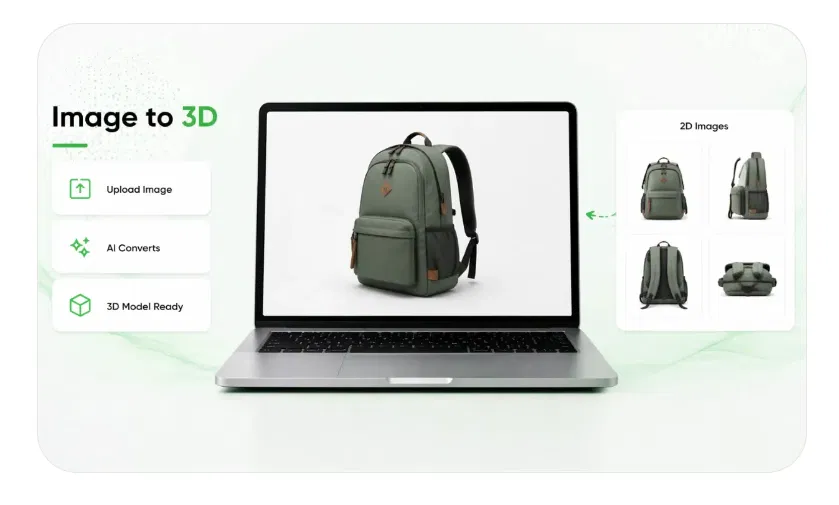
Product images are often the starting point for digital representations. Manufacturers and retailers already maintain photographs for catalogs, online stores, brochures, and sales presentations. These resources can be used to create three-dimensional models that allow buyers to examine products from different angles.
An image to ar process can help turn existing product imagery into an interactive representation, but the quality of the result depends on the information contained in the original images. A single photograph may show the front of a printer clearly while hiding its rear connections, paper trays, control panels, and overall depth.
Automated conversion can interpret visible shapes and surfaces, but it may not reconstruct every physical feature correctly. Shadows can be mistaken for changes in geometry, reflective surfaces can distort apparent colors, and objects hidden behind other components may be omitted.
For office equipment, these limitations can have practical consequences. A printer model that leaves out a paper tray may appear smaller than the real machine. A desk photograph that does not show its cable management system may produce a representation that fails to communicate an important feature.
Reliable source material should include multiple viewpoints and clear photographs of the exact product version being presented. Where possible, images should show the front, sides, rear, and relevant close-up details. Technical drawings and manufacturer specifications should also be available to verify information that photographs cannot establish.
When Dimensions Create False Expectations
Incorrect dimensions are among the most consequential differences between a digital representation and a physical product. Office equipment needs to fit within working environments where space, accessibility, and movement matter.
A desk that appears narrower than it really is may seem suitable for a small office. A filing cabinet with an inaccurately represented depth could obstruct a walkway, while a meeting table with incorrect proportions may leave insufficient room for chairs.
Even small measurement differences can affect purchasing decisions when several products need to fit together. Businesses might approve a workstation arrangement based on the apparent size of desks, monitor stands, and storage units, only to discover that the actual products require more space.
Dimensions should therefore be checked against manufacturer documentation rather than estimated from photographs. Height, width, depth, and other relevant measurements should be consistent across product pages, digital models, and formal quotations.
It is also important to consider movable parts. A cabinet door needs space to open, a printer may require room for paper trays, and an adjustable chair occupies different positions depending on its configuration. A representation that shows only the closed or compact state may give buyers an incomplete understanding of the equipment.
Color Differences Can Undermine Product Selection
Color is often an important factor when businesses choose office equipment. Desks, chairs, storage units, and accessories may need to complement existing interiors or follow a company's design preferences.
A digital model can create inaccurate expectations if its colors differ from the physical product. A grey desk might appear almost white, a black chair could look dark blue, or a wood-effect surface may have a warmer tone than the actual finish.
These differences can result from photography, screen settings, lighting, and image processing. A product photographed under warm lighting may look different from the same item shown in a neutral environment. Automated representations may also reproduce color inconsistently across curved and flat surfaces.
The problem becomes more noticeable when buyers compare several options. They may choose a product because its digital finish appears to match existing furniture, only to discover that the delivered item has a noticeably different shade.
Manufacturers should use approved product references and consistent imagery when preparing digital models. If exact color matching is important, buyers should also be encouraged to consult physical samples or verified finish documentation rather than relying entirely on screen appearance.
Proportions and Materials Influence Perceived Quality
A product can have the correct general dimensions while still looking different because its proportions are inaccurate. A chair with an exaggerated backrest, a desk with an unusually thick top, or a cabinet with narrow doors may not resemble the physical item even when its overall measurements appear plausible.
Proportions influence how buyers interpret product quality and suitability. A heavier-looking desk may appear more substantial, while a chair with an incorrectly shaped seat could seem less comfortable or less supportive than the real version.
Materials also contribute to these impressions. A metal frame may be represented as plastic, a textured fabric could appear smooth, or a laminated surface might look like natural wood. Such differences can influence a buyer's expectations about durability, appearance, and maintenance.
Consider an office chair with a fabric seat and a polished metal base. If the model makes the fabric appear like smooth leather and the base look like painted plastic, it communicates a different product character. A buyer may approve it based on qualities that the physical item does not possess.
Digital representations should therefore be compared with manufacturer photographs and material specifications. Surface texture, reflectivity, grain patterns, transparency, and the relationship between different materials should all be reviewed before a model is published.
Missing Components Change What Buyers Think They Are Purchasing
Office equipment frequently contains components that are not immediately visible in a front-facing photograph. A printer may include removable trays, a scanner lid, paper supports, and connection ports. An adjustable desk may have a control panel, cable tray, support frame, and motor housing. A chair might include adjustable armrests, lumbar support, and a separate headrest.
If an automatically generated model omits these features, the digital representation may give an incomplete impression of the product.
This can create confusion about what is included in the purchase. A buyer might assume that a monitor stand, cable organizer, or additional storage component comes with a workstation because it appears in the model. Alternatively, an omitted feature may make a product seem less capable than it actually is.
Manufacturers and sellers should distinguish between standard components, optional accessories, and items used only for presentation. The digital model should represent the selected product configuration accurately, while accompanying descriptions should clarify what is included.
Where a component affects the equipment's appearance, dimensions, or operation, its presence and position should be verified before publication.
Property Marketing Shows Why Visual Accuracy Matters
The consequences of inaccurate product representations are not limited to office purchasing. Similar problems can occur when businesses use digital visualization to market commercial properties, furnished offices, and flexible workspaces.
In ar real estate prospective tenants or buyers may examine digitally presented interiors before arranging a physical visit. Desks, chairs, lighting, storage units, and meeting room equipment can influence how people imagine using a commercial space. If the digital furniture differs from the actual products, the presentation may create expectations that the property cannot satisfy.
A virtual office tour might show compact workstations, matching chairs, and integrated storage. If the real furniture is larger, uses different materials, or lacks visible accessories, visitors may feel that the advertised environment was misleading.
This can affect more than the perceived appearance of a room. Inaccurate equipment representations may give an incorrect impression of available workspace, storage capacity, and circulation areas. A potential tenant might assume that a particular number of employees can comfortably use the office based on a layout that does not reflect the real dimensions of the furniture.
Property marketers and office suppliers should therefore coordinate their visual assets. If equipment is included in a furnished property presentation, its representation should correspond to the actual items or be clearly identified as illustrative.
Customer Disappointment Often Begins Before Delivery
When a buyer discovers that a delivered product differs from its digital representation, disappointment can arise immediately. The issue may seem minor to the seller, but the buyer has already made a decision based on specific expectations.
A desk that arrives in a different finish may not match the rest of the office. A chair that is larger than expected could disrupt a planned workstation arrangement. A missing component may require additional purchases or create delays before the equipment can be used.
These problems can become more frustrating when several departments are involved in the purchasing process. An office manager may have approved the proposal, procurement may have processed the order, and employees may already be expecting the equipment. Correcting a misleading representation can therefore involve more than replacing one item.
Returns are another possible consequence. If a product's physical dimensions, materials, or appearance differ substantially from what was presented, buyers may request a return or replacement. This creates additional handling, transport, administrative, and customer service costs.
Not every difference will justify a return, but repeated discrepancies can make purchasing decisions more difficult and time-consuming.
Complaints Can Spread Beyond the Original Transaction
An inaccurate digital representation can also create complaints that reach people beyond the original buyer. A business may share its experience with a supplier, purchasing network, industry community, or online review platform.
Complaints about incorrect dimensions, misleading colors, missing accessories, or unexpected materials can influence how other potential customers view the seller. Even if the physical product is otherwise functional, the discrepancy may become the main subject of the customer's experience.
The seller may then need to spend time explaining differences that could have been identified before publication. Sales staff may have to clarify product details, customer support teams may handle repeated questions, and managers may need to review how product information is prepared.
The problem is particularly serious when several sales channels use the same inaccurate model. A digital representation published on a product page may later appear in a quotation, reseller catalog, or remote presentation. Correcting the original asset becomes more difficult when it has already been distributed.
Maintaining a reliable product information process can reduce this risk. Models should be checked against current specifications, and outdated representations should be replaced when products change.
Trust and Brand Credibility Are Difficult to Rebuild
Customers expect product presentations to help them understand what they are buying. When digital representations consistently differ from physical products, that expectation weakens.
A buyer who receives an office chair with unexpected proportions or a desk with an incorrect finish may become more cautious about future purchases from the same supplier. They may request additional photographs, insist on physical samples, or avoid relying on interactive presentations altogether.
This can affect brand credibility even when the inaccuracies were not intentional. From the customer's perspective, the important issue is that the information used to make a purchasing decision was unreliable.
Trust is particularly important in business purchasing, where equipment orders may involve significant budgets and multiple stakeholders. Procurement teams need confidence that product descriptions, dimensions, images, and digital demonstrations are consistent. If they cannot rely on one source, the entire approval process becomes more complicated.
Brands can protect their credibility by treating digital representations as part of their formal product information rather than as decorative marketing assets. Accuracy should be verified before a model is distributed, and limitations should be communicated honestly.
A Reliable Review Process Before Publication
Preventing these problems requires a clear review process. Manufacturers and sellers should compare every generated model with the correct product photographs, measurements, material references, and component lists.
The review should begin with the product's identity. The model must represent the exact version, size, and configuration being offered. Reviewers should then check its dimensions and proportions, paying attention to features that influence fit or use.
Next, they should examine colors and materials under different viewing angles. Surface textures, finishes, and visible transitions should correspond to approved product references. Missing components, optional accessories, and movable parts should also be identified.
The model should be compared with photographs taken from multiple viewpoints. Technical drawings should be used wherever precise measurements or construction details cannot be confirmed visually.
Finally, an authorized person should approve the representation for its intended use. Approval should identify the specific product version and reference materials used during the review. If the equipment changes, the digital model should be checked again rather than assuming that the previous approval remains valid.
Making Remote Equipment Proposals More Dependable
Remote office equipment proposals can support better purchasing discussions when buyers receive an accurate picture of the products under consideration. Digital representations make it easier to examine alternatives, compare appearances, and discuss requirements without needing every item physically present.
However, incorrect dimensions, colors, proportions, materials, and missing components can turn those advantages into sources of confusion. Customers may become disappointed, request returns, submit complaints, and lose confidence in the supplier. Over time, repeated inaccuracies can weaken brand credibility and make future purchasing decisions harder.
The solution is not simply to make digital models look more realistic. It is to ensure that they correspond to the physical products being sold. By checking source images, verifying specifications, reviewing components, and establishing a clear approval process, businesses can make remote proposals more trustworthy.
A dependable product representation gives buyers a clearer understanding of what they are approving. That accuracy helps set realistic expectations before an order is placed and supports stronger relationships after the equipment is delivered.














