

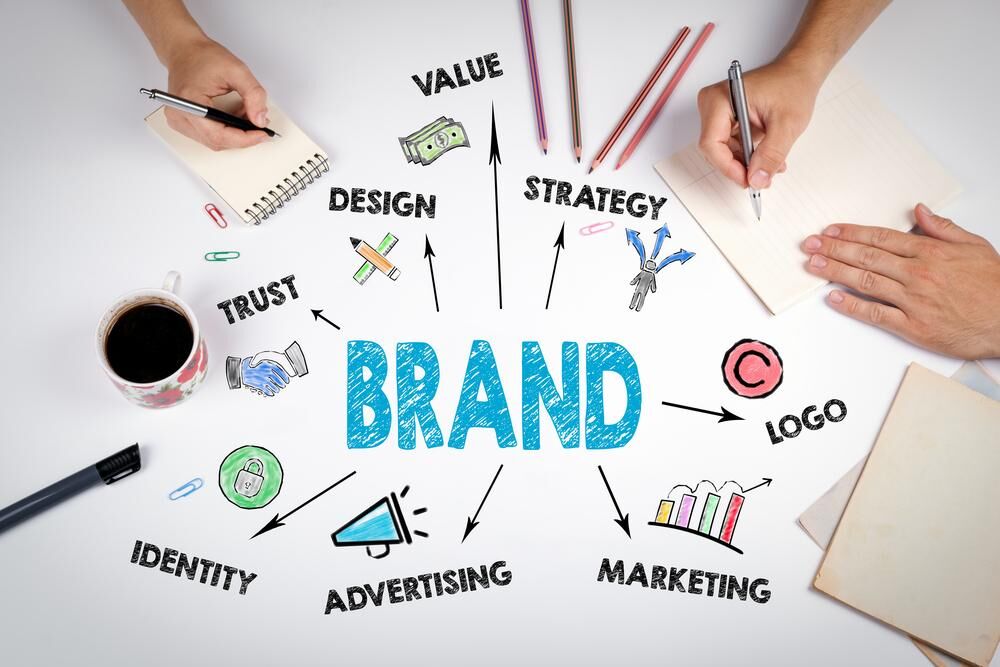

Growing a business requires more than attractive branding, regular social media posts, or occasional advertising campaigns. It takes a clear marketing direction, strong leadership, and a strategy that connects business goals with customer expectations. However, many growing companies are not ready to hire a full-time Chief Marketing Officer (CMO). This is where flexible marketing leadership can make a meaningful difference.
A fractional CMO gives businesses access to experienced marketing leadership without the financial commitment of a permanent executive position. From developing brand positioning to managing marketing teams and improving campaign performance, this approach helps companies make smarter decisions and build a stronger foundation for growth.
For founders, entrepreneurs, and purpose-driven businesses, working with an experienced marketing leader like Matthew Delmore can help bring clarity, consistency, and direction to marketing activities.
What Is a Fractional CMO?
A fractional Chief Marketing Officer is a senior marketing professional who works with a business on a part-time, flexible, or agreed engagement basis. Rather than managing marketing from a distance, this professional becomes involved in important business decisions and provides strategic direction.
Their responsibilities may include:
-
Developing brand positioning and messaging.
-
Creating long-term marketing strategies.
-
Managing marketing campaigns and external agencies.
-
Identifying target audiences and growth opportunities.
-
Supporting internal marketing teams.
-
Monitoring marketing performance and business outcomes.
This arrangement allows companies to benefit from executive-level expertise while maintaining flexibility in their budgets and operations.
7 Reasons to Hire a Marketing Leader
1. Access to Experienced Marketing Leadership
One of the biggest advantages of hiring an experienced marketing leader is gaining access to strategic knowledge that may be missing from an existing team.
A business can have talented designers, content writers, social media managers, and advertising specialists, but without proper leadership, their efforts may lack a common direction.
An experienced marketing professional understands how different marketing activities work together. They can establish priorities, guide decision-making, and ensure that every initiative supports the company's larger objectives.
This leadership helps businesses move beyond disconnected marketing activities and develop a more organised approach to growth.
2. Build a Clear and Consistent Brand Identity
A strong brand is more than a memorable logo or attractive website. It represents what a business stands for, who it serves, and why customers should choose it over competitors.
Professional marketing leadership helps companies establish a clear brand foundation through:
-
Brand positioning and differentiation.
-
Consistent messaging across marketing channels.
-
Understanding customer expectations.
-
Defining the brand's purpose and values.
-
Creating a recognisable market identity.
When these elements work together, customers can better understand what makes a business different. Consistent branding also builds familiarity and trust over time.
3. Reduce Marketing Leadership Costs
Hiring a full-time CMO involves more than paying a salary. Businesses must also consider benefits, recruitment expenses, incentives, and other employment-related costs.
For companies that need senior-level guidance but do not require a permanent executive, a flexible engagement can be a practical alternative.
A business can access professional marketing direction based on its actual requirements, whether that means developing a brand strategy, launching a campaign, or improving an existing marketing department.
This approach allows growing organisations to direct their resources towards essential business activities while still benefiting from experienced leadership.
4. Improve Marketing Strategy and Planning
Marketing without a clear plan can result in wasted budgets, inconsistent communication, and missed opportunities.
An experienced marketing leader helps businesses understand where they currently stand and what they need to achieve next. This includes reviewing existing marketing activities, evaluating competitors, identifying target audiences, and setting measurable objectives.
A structured marketing plan can cover:
-
Annual and quarterly marketing priorities.
-
Budget allocation and resource planning.
-
Digital marketing and customer acquisition.
-
Campaign development and execution.
-
Performance tracking and reporting.
With a defined strategy, businesses can make informed decisions instead of constantly reacting to market changes.
5. Improve Team and Agency Performance
Many businesses work with external marketing agencies or maintain an in-house marketing team. However, managing multiple people and service providers without senior direction can create confusion.
A marketing leader brings everyone together under one strategy. They establish expectations, communicate priorities, review deliverables, and ensure that marketing activities remain aligned with business goals.
This can improve collaboration in several ways:
-
Clear responsibilities for internal teams.
-
Better communication with external agencies.
-
More focused campaign briefs.
-
Consistent quality standards.
-
Regular performance reviews.
The result is a more organised marketing function where everyone understands their role and works towards shared objectives.
6. Focus on Meaningful Business Growth
Marketing success should not be measured only through website traffic, social media followers, or the number of campaigns completed.
These indicators can provide useful information, but businesses also need to understand how marketing contributes to customer acquisition, brand development, revenue opportunities, and long-term growth.
An experienced marketing leader connects marketing performance with commercial objectives. They evaluate which activities are producing meaningful results and where improvements are necessary.
This approach helps businesses prioritise effective channels, improve customer engagement, and make better use of their marketing investments.
For growing wellness, healthcare, and purpose-driven brands, strategic leadership can be especially valuable because customer trust and authentic communication play an important role in purchasing decisions.
7. Gain Flexibility as Your Business Grows
Business requirements change over time. A company launching a new product may need intensive marketing support, while an established organisation may require ongoing strategic guidance and team development.
Flexible marketing leadership allows businesses to adjust their level of support as their priorities evolve.
It can be particularly useful for:
-
Startups preparing for expansion.
-
Founder-led businesses building their marketing function.
-
Wellness brands entering competitive markets.
-
Consumer businesses developing new products.
-
Companies planning a brand refresh or major campaign.
This flexibility also creates opportunities to build stronger internal processes and prepare for future leadership requirements.
Why Consider Matthew Delmore for Marketing Leadership?
Choosing the right marketing professional is an important business decision. Companies need someone who understands both brand strategy and the practical challenges of managing marketing activities.
Matthew Delmore brings together brand positioning, purpose-driven strategy, and hands-on marketing leadership. His approach focuses on building brands around genuine value rather than relying only on appearances or short-term promotional tactics.
His work includes:
-
Brand strategy and positioning direction.
-
Marketing planning and campaign oversight.
-
Audience development and growth strategy.
-
Marketing team development.
-
Agency management and performance measurement.
-
Strategic guidance for wellness and purpose-driven businesses.
His experience includes contributing to Jubi's expansion into 229 MAPCO stores and supporting multi-brand retail strategy. This reflects the importance of connecting brand development with practical commercial opportunities.
For businesses seeking a more structured marketing approach, his work offers a combination of strategic thinking and operational involvement.
When Should You Hire a Marketing Leader?
There is no single stage at which every business needs senior marketing support. However, certain signs suggest that additional leadership could make a difference.
Consider bringing in an experienced professional when:
-
Your marketing activities lack a consistent strategy.
-
Your business is growing but marketing results are unclear.
-
Your founder is spending too much time managing marketing.
-
Your brand struggles to communicate its unique value.
-
Your internal team needs stronger direction.
-
Your marketing budget is not producing the expected outcomes.
Recognising these challenges early can help businesses establish a stronger foundation before investing further in marketing activities.
Conclusion
Building a successful business requires marketing that is consistent, purposeful, and connected to commercial goals. From improving brand positioning to guiding teams and measuring performance, experienced marketing leadership can help companies make better decisions at every stage of growth.
A flexible executive arrangement provides access to valuable expertise without requiring a full-time leadership commitment. For businesses looking to strengthen their brand, improve marketing operations, and create a clearer growth strategy, the right marketing partner can make a meaningful difference.
With a strategy-first approach, Matthew Delmore helps businesses connect their purpose, positioning, and marketing direction to build brands that are credible, distinctive, and prepared for sustainable growth.