

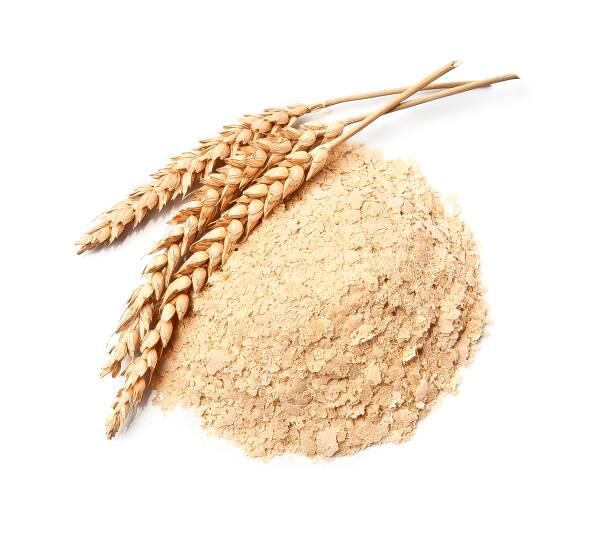

Wheat Protein Market is gaining attention as food manufacturers, nutrition brands, and ingredient suppliers increasingly explore plant-derived alternatives to conventional protein sources. Wheat protein is valued for its functional characteristics, including texture development, binding properties, elasticity, and nutritional contribution. It is commonly used in bakery products, meat alternatives, pasta, snacks, and several processed food categories. Growing consumer interest in vegetarian diets, flexitarian lifestyles, and protein-enriched foods is encouraging manufacturers to expand their plant protein portfolios. As food preferences continue to evolve, wheat protein is becoming an important ingredient for companies seeking to develop convenient, nutritious, and versatile food products.
Understanding the wheat protein market size requires examining the wider transformation of the global food ingredient industry. Food producers are increasingly focusing on ingredients that offer nutritional benefits alongside practical processing advantages. Wheat protein supports these objectives through its ability to improve product consistency, structure, and texture. Its adaptability across different food formulations makes it suitable for manufacturers operating in bakery, convenience food, and alternative protein categories. Additionally, the increasing availability of plant-based food products in supermarkets and online retail channels is creating opportunities for ingredient suppliers to serve a wider customer base.
The bakery industry remains an important application area for wheat protein because of its contribution to dough development and product quality. Gluten, a naturally occurring protein component of wheat, provides elasticity and helps maintain the structure of bread and other baked products. Manufacturers use wheat protein ingredients to improve dough handling, enhance texture, and support consistent production outcomes. Protein enrichment is also becoming relevant as consumers increasingly examine nutritional information before purchasing packaged food. This encourages bakery companies to explore formulations that combine traditional product characteristics with additional nutritional value.
Another important factor supporting market development is the growing popularity of plant-based meat alternatives. Food technology companies are experimenting with wheat protein to create products that replicate the fibrous texture and bite of conventional meat. Its functional properties make it useful in producing vegetarian burgers, sausages, nuggets, and other meat substitute products. As consumers become more familiar with alternative proteins, manufacturers are exploring different ingredient combinations to improve taste, texture, and cooking performance. Wheat protein can contribute to these developments while supporting product innovation across the expanding meat alternative industry.
Innovation in food processing is also influencing ingredient development. Manufacturers are adopting advanced extrusion, blending, and formulation techniques to improve the performance of plant-derived proteins. These processes allow companies to create products with different textures and functional characteristics for specific food applications. Research into ingredient combinations is helping manufacturers address formulation challenges involving moisture retention, product stability, and consistency. Such improvements are particularly relevant for companies developing ready-to-eat meals, protein-rich snacks, and convenient vegetarian food products for changing consumer preferences.
The clean-label movement is creating additional opportunities for wheat protein suppliers. Consumers increasingly prefer food products with recognizable ingredients and clear nutritional information. This has encouraged manufacturers to evaluate plant-based ingredients that can provide functional benefits without unnecessarily complicating product formulations. Wheat protein can support the development of several food categories, although its suitability depends on formulation requirements and consumer dietary needs. Manufacturers must also communicate allergen information clearly because wheat protein contains gluten and is unsuitable for individuals with celiac disease or certain gluten-related conditions.
Regional food preferences and manufacturing capabilities also influence the development of the industry. Established bakery markets continue to provide opportunities for wheat protein ingredients, while expanding packaged food industries are creating new applications in developing economies. Urbanization, changing household consumption patterns, and growing retail distribution networks are encouraging manufacturers to diversify their product offerings. Ingredient suppliers are responding by developing application-specific solutions for food processors. Partnerships between food manufacturers, ingredient developers, and research organizations are also helping accelerate product development and improve the commercial usability of wheat protein.
Looking ahead, wheat protein is expected to remain relevant as food companies continue investing in plant-based nutrition and functional ingredients. Product diversification, improved processing technologies, and greater awareness of protein consumption will influence future industry developments. Manufacturers that prioritize ingredient quality, application flexibility, transparency, and consistent supply capabilities may be better positioned to address changing market requirements. As the food industry continues to balance nutrition, convenience, and product performance, wheat protein is likely to maintain an important role in the development of innovative plant-based and conventional food products.
FAQs
Q1. What is wheat protein mainly used for?
Wheat protein is used in bakery products, pasta, snacks, meat alternatives, and protein-enriched foods.
Q2. Why is wheat protein popular in plant-based foods?
It offers useful texture, elasticity, and binding properties for alternative protein formulations.
Q3. Does wheat protein contain gluten?
Yes, wheat protein contains gluten and is unsuitable for people with celiac disease.