


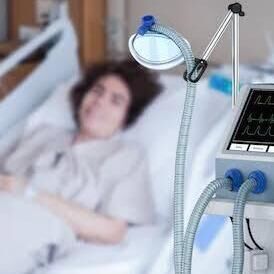
Caring for a loved one who depends on mechanical ventilation can be a challenging responsibility for families. Patients receiving long-term ventilator support require consistent medical attention, emotional encouragement, and assistance with everyday activities. Choosing Ventilator Care At Home In Dubai allows eligible patients to receive respiratory support in familiar surroundings while remaining close to their loved ones. However, successful home care involves more than medical equipment; it also requires family participation, professional nursing assistance, and a supportive environment. With guidance from experienced healthcare professionals and services such as Doctor at Home, families can better understand their responsibilities, recognise potential complications, and help their loved ones maintain comfort and dignity throughout long-term treatment.
Understanding Long-Term Ventilator Support:
Long-term ventilator support is required when a patient cannot maintain adequate breathing independently because of an underlying medical condition. A mechanical ventilator assists breathing by delivering air through a mask or an artificial airway, depending on the patient's requirements. Individuals with certain neurological disorders, neuromuscular conditions, spinal cord injuries, or chronic respiratory problems may require prolonged ventilation. Some patients need support throughout the day, while others use ventilation during specific periods, such as sleep. Families should understand the patient's diagnosis, prescribed ventilation plan, equipment requirements, and expected level of assistance. Learning these details helps relatives participate more confidently in daily care and communicate effectively with healthcare professionals.
Learn the Basics of Ventilator Equipment and Daily Care:
Understanding how the ventilator works is an important step for family members supporting a ventilator-dependent patient. Although equipment operation and clinical procedures should be handled by appropriately trained individuals, relatives should recognise the main components and understand basic safety precautions. Families should know where the ventilator is positioned, how breathing circuits connect, what common alarms indicate, and whom to contact when equipment problems occur. They should also understand the importance of maintaining clean equipment and following manufacturer instructions. Essential equipment may include:
-
Mechanical ventilator for prescribed breathing assistance.
-
Breathing circuits and connecting tubes.
-
Humidification equipment when recommended.
-
Suction machine for managing airway secretions when required.
-
Pulse oximeter for monitoring oxygen saturation.
-
Backup batteries or approved alternative power supplies.
-
Emergency respiratory equipment according to the medical plan.
Family members should never independently change ventilator settings or perform unfamiliar medical procedures.
Create a Safe and Comfortable Home Environment:
A properly organised home can make long-term ventilator care easier for patients and caregivers. Families should arrange a suitable room with enough space for the patient's bed, ventilator, monitoring devices, and medical supplies. The area should remain clean, well-lit, and free from unnecessary clutter so nurses and caregivers can move safely around the patient. Reliable electrical connections and backup power arrangements are particularly important because ventilators depend on a continuous power supply or suitable battery support. Families should also organise medical supplies in designated storage areas and ensure that emergency equipment remains accessible. Comfortable bedding, appropriate room temperature, and suitable positioning aids can further support the patient's daily comfort. A calm environment can also help reduce anxiety and encourage restful sleep.
Provide Emotional Support and Encouragement:
Long-term dependence on a ventilator can affect a patient's emotional wellbeing. Some individuals experience anxiety, frustration, sadness, or feelings of isolation because they rely on medical equipment and other people for breathing assistance. Families can help by offering reassurance, maintaining regular communication, and including the patient in everyday family activities whenever possible. Even when verbal communication is difficult, relatives can use writing boards, gestures, communication devices, or other methods recommended by healthcare professionals. Listening patiently and respecting the patient's preferences can strengthen emotional connections. Families should also celebrate small achievements and encourage activities that remain suitable for the patient's medical condition. Emotional support helps patients feel valued, respected, and connected rather than defined by their medical needs.
Maintain Proper Hygiene and Help Prevent Infections:
Patients receiving long-term ventilator support may be vulnerable to respiratory infections, especially when they have an artificial airway or limited mobility. Families can help reduce infection risks by maintaining good hygiene and following the instructions provided by professional nurses. Handwashing should take place before and after assisting with patient care or handling medical supplies. The patient's room, frequently touched surfaces, and surrounding equipment should be cleaned regularly according to appropriate guidelines. Relatives should avoid unnecessary handling of breathing circuit connections and leave specialised airway procedures to trained caregivers. Important hygiene practices include:
-
Wash hands before and after providing assistance.
-
Keep the patient's room clean and organised.
-
Avoid exposing the patient to cigarette smoke and dust.
-
Limit contact with visitors who have contagious illnesses.
-
Store medical supplies in clean, designated locations.
-
Follow professional instructions for oral and airway hygiene.
-
Report fever, unusual secretions, or other possible infection symptoms.
Consistent infection-control practices can help create a healthier home environment.
Assist With Daily Activities and Physical Comfort:
Many patients receiving long-term ventilation also experience limited mobility and require assistance with everyday activities. Family members can support their comfort by helping with suitable positioning, personal hygiene, feeding arrangements, and other tasks included in the care plan. Patients who remain in bed for extended periods may develop pressure injuries, making regular repositioning and skin observation important. Relatives should follow the schedule recommended by healthcare professionals rather than attempting unfamiliar movements or transfers. Comfortable clothing, clean bedding, appropriate hydration, and prescribed nutritional support can also contribute to overall wellbeing. Families should communicate any changes in appetite, sleep, skin condition, or physical comfort to the nursing team so that appropriate adjustments can be made.
Work Closely With Professional Home Healthcare Nurses:
Family involvement is valuable, but long-term ventilator management often requires specialised nursing support. Professional nurses can monitor respiratory health, assess vital signs, provide prescribed airway care, manage equipment checks, and identify early signs of complications. They also help families understand daily routines and explain when medical attention is necessary. Depending on the patient's condition, continuous nursing supervision or scheduled visits may be recommended. Families should maintain open communication with nurses and share observations about changes in the patient's breathing, comfort, behaviour, or general health. When arranging Ventilator Care At Home In Dubai, relatives should select a licensed healthcare provider with experience in respiratory care and complex nursing needs. Coordinated professional support can reduce caregiver pressure while helping maintain consistent patient care.
Recognise Warning Signs and Prepare for Emergencies:
Families should understand that patients receiving long-term ventilation may experience unexpected medical or equipment-related emergencies. Recognising warning signs early can help prevent delays in treatment. Relatives should know how to identify serious changes, including severe breathing difficulty, bluish lips or fingertips, unusual confusion, sudden unresponsiveness, or repeated ventilator alarms. They should follow the emergency plan prepared by the healthcare team and avoid attempting procedures beyond their training. A written emergency plan should include:
-
Emergency medical service contact information.
-
The patient's medical history and current treatment details.
-
Instructions for responding to ventilator alarms.
-
Backup power and equipment arrangements.
-
Contact details for the treating physician and home nursing provider.
-
Clear instructions for emergency hospital transfer.
If the patient experiences severe respiratory distress or becomes unresponsive, families should contact emergency services immediately and follow the trained emergency response procedures.
Manage Family Caregiver Stress and Responsibilities:
Supporting someone on long-term ventilator support can affect the physical and emotional health of family caregivers. Continuous responsibilities, disrupted sleep, and concerns about the patient's condition may create exhaustion and stress. Families should avoid placing the entire caregiving responsibility on one person. Dividing suitable tasks among relatives, arranging professional nursing assistance, and scheduling regular rest periods can make responsibilities more manageable. Caregivers should also maintain their own health, social connections, and personal routines whenever possible. Seeking emotional support from friends, counsellors, or caregiver support groups may help relatives manage difficult feelings. Remembering that asking for professional assistance is a responsible decision can reduce unnecessary pressure and improve the overall home care experience.
Encourage Independence and Maintain Family Connections:
Even when patients require extensive respiratory support, families should encourage independence wherever medically appropriate. Patients may still participate in conversations, make personal choices, enjoy hobbies, and remain involved in family decisions. Relatives can arrange suitable entertainment, reading materials, communication tools, and opportunities for social interaction. Small choices, such as selecting meals, clothing, or daily activities, can help patients maintain a sense of control. Families should discuss suitable activities with healthcare professionals to ensure that they do not interfere with ventilation or other medical requirements. Maintaining meaningful relationships and familiar routines can improve emotional comfort and make long-term home care more positive.
Final Thoughts
Supporting a loved one on long-term ventilator support requires patience, understanding, and consistent cooperation between families and healthcare professionals. Relatives can make a meaningful difference by creating a safe home environment, maintaining hygiene, providing emotional encouragement, and recognising potential warning signs. However, complex respiratory procedures and clinical responsibilities should remain under the guidance of qualified healthcare professionals. Professional nursing assistance, personalised care plans, and effective emergency preparation help families manage long-term responsibilities more confidently. With the right arrangements, Ventilator Care At Home In Dubai can help eligible patients receive essential respiratory support while maintaining family connections, personal dignity, and comfort in familiar surroundings.














