
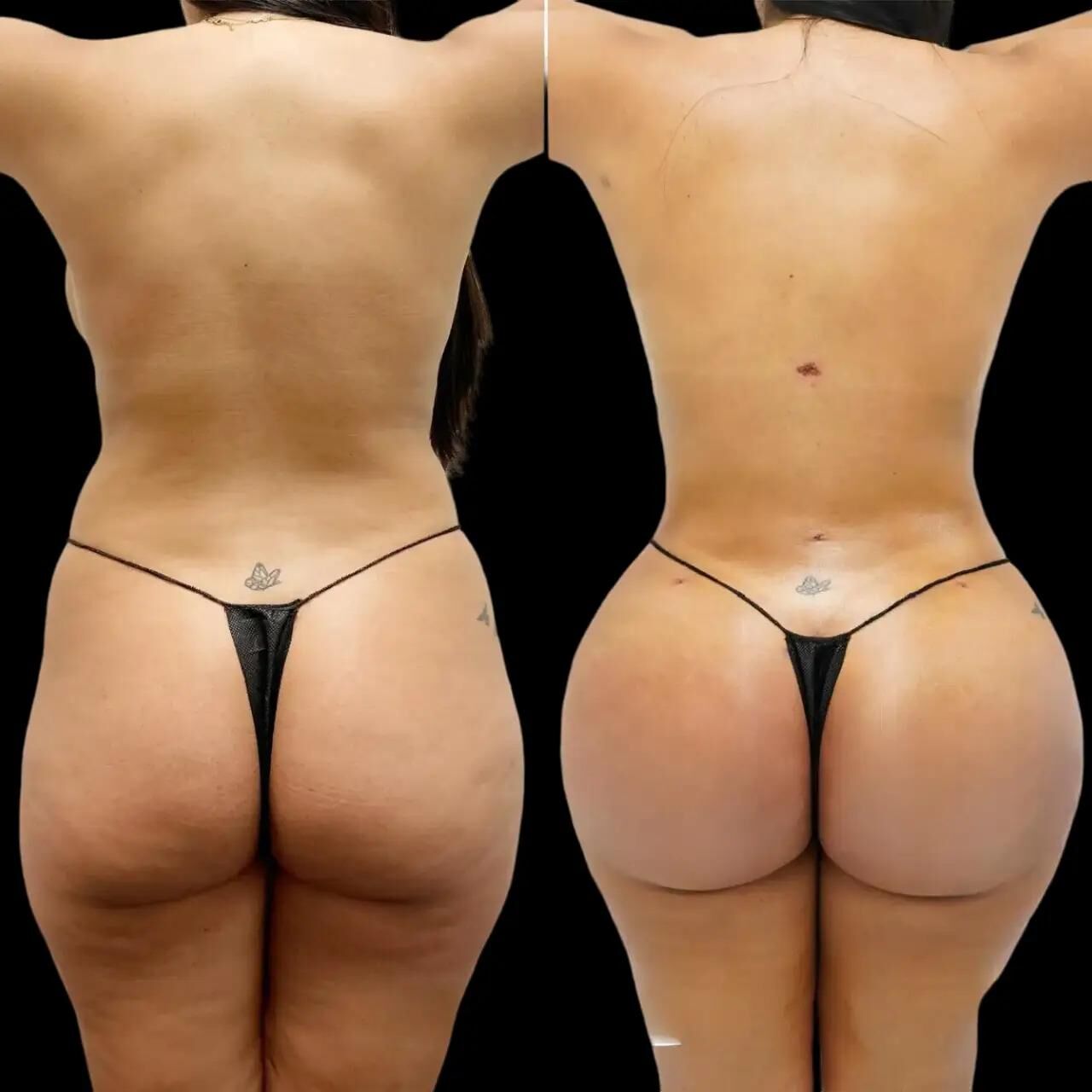

Best Plastic Surgeons in Dubai: Understanding Post-Surgery Care and Recovery
People researching cosmetic treatments often search for Best Plastic surgeons in dubai to understand modern procedures and the recovery process.
After fat transfer surgery, the body needs time to heal. Both the donor area, where fat is collected, and the recipient area, where fat is injected, require proper care.
Patients may experience temporary swelling, bruising, tenderness, and discomfort. These effects are generally part of the normal healing process and gradually improve.
Post-surgery care is important because transferred fat cells need to establish a blood supply in their new location. Some fat cells may be naturally absorbed by the body, while others survive and provide longer-lasting volume.
A few important recovery considerations include:
-
Following all post-operative instructions.
-
Avoiding unnecessary pressure on treated areas.
-
Taking prescribed medication as directed.
-
Avoiding strenuous activities until medically cleared.
-
Attending scheduled follow-up appointments.
-
Maintaining a stable body weight.
Proper aftercare helps patients manage recovery and understand how their results develop over time.
Fat Transfer in Dubai: What Happens Immediately After Surgery?
Fat transfer in dubai is a popular search among people interested in facial enhancement and body contouring.
Immediately after the procedure, patients may notice that the treated area looks fuller than expected. This is usually because of the transferred fat, swelling, and temporary fluid retention.
The donor area may also feel tender because fat has been collected using liposuction.
Common experiences during the initial recovery period include:
Swelling: The treated area may appear larger because of temporary inflammation.
Bruising: Small areas of bruising may develop around the donor and recipient sites.
Tenderness: Some discomfort or sensitivity is normal during early healing.
Mild fluid leakage: Small amounts of fluid may come from the incision sites during the first few days.
Temporary changes in shape: The treated area may look uneven or different while swelling settles.
Patients should not judge their final appearance immediately after surgery. The body needs time to heal, and the transferred fat requires time to establish a blood supply.
Best Fat Transfer Doctors in Dubai: Why Follow-Up Care Matters After Surgery
People searching for Best Fat transfer Doctors in dubai often want to understand how to maintain their results after treatment.
Follow-up care is an important part of the fat transfer journey. It allows the medical team to monitor healing, identify possible complications, and provide suitable recovery advice.
During follow-up appointments, different aspects of recovery may be assessed, including:
-
Swelling and bruising.
-
Healing of the donor area.
-
Changes in the treated area.
-
Signs of infection or unusual inflammation.
-
Overall comfort and recovery progress.
Patients should attend their scheduled appointments even if they feel that healing is going well.
It is also important to report unusual symptoms rather than waiting for the next appointment. Increasing pain, fever, spreading redness, sudden swelling, or breathing difficulties require prompt medical attention.
Dr. Perfect Celebrity: Understanding Celebrity-Inspired Recovery and Beauty Expectations
The keyword Dr. perfect celebrity is often associated with searches about celebrity-inspired cosmetic procedures and beauty trends.
Many people look at celebrities for inspiration when considering facial enhancement or body contouring. Social media often shows impressive cosmetic results, but it rarely explains the recovery process behind them.
Fat transfer results do not appear instantly in their final form. Swelling may initially make the treated area look fuller, while some transferred fat may be absorbed during the healing period.
Every person also heals differently. Factors such as age, health, treatment area, and individual body characteristics can influence recovery.
It is important to avoid comparing personal healing progress with celebrity photographs or online results.
A realistic approach focuses on gradual improvement, natural proportions, and healthy recovery rather than expecting immediate perfection.
Perfect Doctors Clinic: Understanding the Importance of Post-Operative Patient Care
The keyword Perfect Doctors Clinic is often included in searches related to cosmetic procedures and aesthetic care.
After any cosmetic surgery, proper patient care is important for a comfortable recovery.
Post-operative care generally involves monitoring the treated areas, following medical instructions, managing discomfort, and attending follow-up appointments.
Patients should understand the importance of:
-
Keeping incision areas clean according to medical instructions.
-
Taking prescribed medicines correctly.
-
Following wound-care recommendations.
-
Avoiding activities that may disturb healing.
-
Getting sufficient rest.
-
Reporting unexpected symptoms.
Good aftercare helps patients understand their recovery and recognise when additional medical attention may be needed.
Fat Grafting: Understanding the Healing Process After Fat Transfer Surgery
fat grafting is another name for fat transfer. It involves collecting fat from one part of the body and moving it to another area to restore volume or improve contours.
After surgery, the transferred fat needs to develop a new blood supply to survive in its new location.
Not all transferred fat cells survive. Some are naturally absorbed by the body, which is why the treated area may gradually become smaller as swelling disappears and healing progresses.
The healing process generally involves several stages:
-
Initial healing: Swelling, bruising, and tenderness may be noticeable.
-
Early recovery: Discomfort generally improves, and normal movement gradually becomes easier.
-
Fat stabilisation: The transferred fat begins to settle as the healing process continues.
-
Result development: The final shape becomes clearer over the following months.
The amount of fat that survives varies between individuals. Patients should understand that results cannot be guaranteed and that additional treatment may sometimes be discussed after complete healing.
Under Eye Fat Transfer: What to Expect During Facial Recovery
under eye fat transfer is a cosmetic procedure used to improve hollowness beneath the eyes by adding volume with the patient's own fat.
The under-eye region is delicate, so recovery may involve temporary swelling and bruising.
After treatment, patients may notice:
-
Puffiness beneath the eyes.
-
Mild bruising around the lower eyelids.
-
Temporary tenderness.
-
Changes in under-eye fullness.
-
Gradual improvement as swelling settles.
During recovery, patients should follow all medical instructions and avoid rubbing or applying unnecessary pressure to the treated area.
It is important to remember that the final appearance may take several months to develop.
Under-eye fat transfer may improve volume loss, but it does not necessarily correct dark circles caused by pigmentation or other skin conditions.
Fat Transfer Cost: Does Post-Surgery Care Affect the Overall Expense?
The fat transfer cost is an important consideration when planning cosmetic surgery.
Many people focus on the initial procedure price, but they should also understand whether follow-up appointments, prescribed medicines, medical examinations, and recovery support are included.
The total treatment expense may depend on:
-
The selected treatment area.
-
The amount of fat transferred.
-
Surgical complexity.
-
Anaesthesia requirements.
-
Medical facility charges.
-
Follow-up appointments.
-
Additional aftercare requirements.
Patients should ask for a complete cost breakdown before treatment. Understanding the services included can help avoid unexpected expenses during recovery.
It is also important to prioritise proper medical care instead of choosing a procedure based only on its price.
Fat Transfer Cost in Dubai: Understanding the Complete Treatment Budget
The Fat transfer cost in dubai varies according to the treatment area, surgical requirements, and individual needs.
For example, facial fat transfer may involve different requirements from body contouring procedures. The recovery and follow-up arrangements may also vary.
Before planning the treatment budget, patients should consider the following:
| Expense category | What it may include |
|---|---|
| Initial consultation | Medical assessment and treatment planning |
| Surgery | Fat collection and transfer |
| Anaesthesia | Anaesthesia-related expenses |
| Medical facilities | Operating room and facility charges |
| Medication | Prescribed recovery medicines |
| Follow-up | Post-operative appointments |
| Additional care | Other medically recommended services |
A clear understanding of the complete expense helps patients prepare financially for both surgery and recovery.
Best Fat Transfer Surgeon in Dubai: Important Recovery Questions to Ask
People searching for the Best fat transfer surgeon in Dubai should also understand what questions to ask about recovery before undergoing surgery.
Knowing what to expect can make the post-operative experience easier and help patients prepare properly.
Some useful questions include:
-
How long will the initial recovery period last?
-
When can normal daily activities resume?
-
How long should strenuous exercise be avoided?
-
When can the final results be assessed?
-
How should the donor area be cared for?
-
What symptoms require immediate medical attention?
-
How many follow-up appointments may be needed?
Patients should receive clear instructions about their particular procedure because recovery can differ depending on the treatment area and surgical technique.
Best Fat Transfer Surgeons in Dubai: How Experience and Aftercare Support Better Results
The search for Best fat transfer surgeons in Dubai often reflects an interest in safe treatment and satisfactory cosmetic outcomes.
Fat transfer involves both fat removal and fat injection. Proper surgical planning and aftercare are important because the body needs time to recover from both stages.
Patients should understand that the final results depend on several factors, including:
-
The quality of the collected fat.
-
The amount of transferred fat.
-
The injection technique.
-
Blood supply in the treated area.
-
Individual healing.
-
Lifestyle and body-weight stability.
Experience, appropriate medical qualifications, safe surgical techniques, and clear recovery guidance are important considerations when evaluating treatment options.
No surgical technique can guarantee that all transferred fat will survive or that the final result will match an exact expectation.
Fat Transfer Prices: Understanding the Cost of Recovery and Follow-Up
fat transfer prices can vary depending on the procedure and the services included in the treatment package.
Some treatment plans may include follow-up appointments and basic aftercare, while other expenses may be charged separately.
When comparing prices, patients should understand whether the quoted amount includes:
-
Surgical fees.
-
Anaesthesia.
-
Medical facility expenses.
-
Initial recovery support.
-
Follow-up consultations.
-
Prescribed medication.
-
Additional treatment if medically required.
A complete price breakdown helps patients plan their budget more effectively.
The quality of medical care and appropriate safety standards should always be considered alongside financial expenses.
Recovery Timeline After Fat Transfer: What Happens Week by Week?
Recovery does not happen at the same speed for everyone. However, understanding the general healing timeline can help patients know what to expect.
| Recovery stage | What patients may experience |
|---|---|
| First 1–3 days | Swelling, bruising, tenderness, and rest requirements |
| First week | Gradual improvement in discomfort and early healing |
| Weeks 2–3 | Bruising and swelling may continue to decrease |
| Weeks 4–6 | More noticeable improvement in the treated area |
| 2–3 months | Transferred fat continues to settle |
| 3–6 months | Results become clearer as healing progresses |
This timeline is only a general guide. The actual recovery period depends on the treatment area, surgical technique, and individual healing.
Patients should follow their own medical instructions rather than relying only on general recovery timelines.
Important Aftercare Tips to Maintain Fat Transfer Results
Following proper aftercare instructions is important for supporting recovery and protecting the treated areas.
Here are some general recommendations:
Maintain a stable weight: Significant weight changes can affect transferred fat cells and body contours.
Eat a balanced diet: Nutritious meals support general health and the healing process.
Stay hydrated: Drinking sufficient water supports normal body functions.
Avoid smoking: Smoking can interfere with healing and blood circulation.
Rest properly: Allow the body enough time to recover.
Avoid pressure: Follow instructions about protecting treated areas from unnecessary pressure.
Attend follow-up visits: Medical monitoring helps assess recovery and identify potential concerns.
Patients should remember that healthy habits support recovery but cannot guarantee a particular fat-survival rate.
Possible Complications After Fat Transfer: Symptoms You Should Never Ignore
Fat transfer is a surgical procedure and carries certain risks. Although temporary swelling and bruising are common, some symptoms may indicate a complication.
Potential complications include:
-
Infection.
-
Excessive bleeding.
-
Persistent pain.
-
Uneven contours.
-
Fat necrosis.
-
Lumps or irregularities.
-
Fat embolism.
Patients should contact their medical team if they experience increasing redness, fever, worsening pain, unusual discharge, or sudden changes in the treated area.
Chest pain, breathing difficulties, fainting, or sudden severe symptoms require emergency medical attention.
Understanding possible complications helps patients take recovery seriously and seek help when necessary.
Conclusion: What to Expect After Fat Transfer Surgery
Fat transfer can help restore volume and improve selected facial or body areas using a person's own fat. However, the recovery process is an important part of achieving the desired outcome.
Patients may experience swelling, bruising, tenderness, and temporary changes in appearance after surgery. These effects generally improve gradually as the body heals and transferred fat cells settle.
Understanding fat transfer in dubai, fat grafting, recovery requirements, and fat transfer cost in dubai can help individuals prepare for the procedure with realistic expectations.
The most important things after surgery are following medical instructions, protecting treated areas, attending follow-up appointments, and allowing enough time for healing.
With appropriate surgical care, proper aftercare, and realistic expectations, patients can better understand their recovery journey and make informed decisions about cosmetic enhancement.