

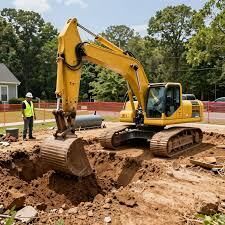

Before any ground is broken for a new septic system, there is important groundwork to complete. Permits, soil testing, and regulatory approvals can feel like obstacles, but they exist to protect public health, groundwater, and your investment. Knowing what to expect makes the process faster and less stressful.
Why Regulations Exist
Septic systems treat wastewater on site, which means mistakes can affect wells, streams, and neighboring properties. Local and state authorities set rules about system design, placement, and inspection to reduce those risks. Following the rules also protects you, since unpermitted work can lead to fines, forced removal, or trouble when selling the property.
Soil Testing and Percolation Tests
Soil testing tells designers how well the ground can absorb and treat wastewater. A percolation test measures how quickly water drains through the soil, while soil profile evaluations examine layers, color, texture, and depth. Results determine the required size of the drain field and whether special designs are needed. Testing is usually done by a licensed professional and must follow local standards.
Setbacks and Site Layout
Regulations typically require minimum distances between septic components and features such as wells, water bodies, buildings, and property lines. These setbacks help prevent contamination and protect structures. Slopes, floodplains, and easements may add further restrictions. A good site plan shows where everything will go and demonstrates compliance with all required distances.
The Permit Process
To obtain a permit, you generally submit an application, site plan, soil evaluation, and system design. The authority reviews the documents and may request changes. Review times vary, so it is smart to start early. A contractor experienced in septic install can prepare the paperwork, coordinate with officials, and help avoid avoidable delays.
Inspections During Construction
Inspectors often visit at key stages, such as before backfilling the tank and drain field. They verify that materials, depths, slopes, and connections match the approved plan. Do not cover any components until the required inspection is complete. After final approval, you may receive a certificate of completion or operating permit.
Documentation for the Future
Keep copies of permits, designs, inspection reports, and as-built drawings. These documents help future maintenance, make repairs easier, and are often requested during real estate transactions. Mark the locations of the tank and drain field on a simple map and share it with anyone who works on your property.
Frequently Asked Questions
How long does it take to get a septic permit?
It varies by location, from a few days to several weeks, depending on workload and the complexity of your project.
What is a percolation test?
It measures how fast water moves through soil and helps determine drain field size and design.
What happens if I install without a permit?
You may face fines, orders to remove or redo the work, and problems when selling the property.
Who should handle the paperwork?
Often the designer or installer, but you should review everything to make sure it is accurate.
Conclusion
Permits, soil tests, and inspections are essential parts of a septic install, not obstacles. By understanding the rules, preparing early, and working with experienced professionals, you can protect your property and the environment while keeping your project on track.














