


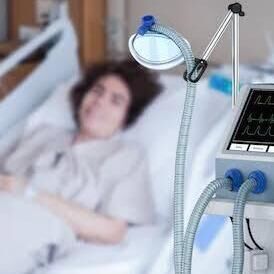
Recovering from major surgery is a significant undertaking that extends far beyond the hospital stay. The first few weeks at home are a critical period where the choices you make directly influence the speed and quality of your healing. From managing incisions and medications to navigating mobility challenges and emotional fluctuations, the responsibilities can feel overwhelming without proper guidance. For patients in Dubai, accessing structured Post-surgical Care at Home in Dubai has become an essential part of the recovery plan, offering professional support that bridges the gap between hospital discharge and full independence. Whether you are arranging skilled nursing visits or consulting a Doctor at Home for medical reviews, understanding the essential home care tips can help you create an environment that promotes safety, comfort, and optimal healing.
Creating a Safe and Accessible Living Space:
Your home environment plays a pivotal role in preventing accidents and supporting recovery. Before you return from the hospital, or immediately upon arrival, conduct a thorough safety audit of your living space. Remove loose rugs, electrical cords, and clutter from walkways to eliminate tripping hazards. Install grab bars in the bathroom near the toilet and shower, and consider using a shower chair to avoid standing for extended periods on slippery surfaces. If your bedroom is on an upper floor, set up a temporary recovery station on the main level to avoid unnecessary stair climbing during the early weeks. Ensure that frequently used items such as medications, water, phone chargers, and remote controls are within easy reach from your bed or recovery chair. Good lighting throughout the home, especially in hallways and bathrooms, is also essential for preventing falls during nighttime trips.
Mastering Wound Care and Hygiene Practices:
Proper wound care is your first line of defense against infection and a key component of successful recovery. Always wash your hands thoroughly with soap and water before and after touching your incision or changing dressings. Follow your surgeon's instructions precisely regarding when and how to change dressings, and keep the wound clean and dry unless advised otherwise. Inspect the surgical site daily for signs of infection, including spreading redness, increased warmth, swelling, or discharge that is thick, yellow, or foul-smelling. If you have steri-strips or surgical glue, leave them in place until they fall off naturally or your doctor removes them. Avoid soaking in baths or swimming pools until your wound is fully healed, and opt for gentle showers instead. For complex wounds or if you are uncertain about the healing progress, professional nursing support can provide expert care and peace of mind.
Managing Medications Safely and Effectively:
Medication management is one of the most error-prone aspects of home recovery, yet it is crucial for pain control and preventing complications. Create a medication schedule that outlines what to take, when to take it, and at what dosage. Use a pill organizer or set alarms on your phone to ensure doses are not missed or accidentally doubled. Take pain medications on a regular schedule for the first few days to stay ahead of the pain, rather than waiting for it to become severe. Be vigilant about potential side effects, particularly constipation from opioid painkillers, and address them proactively with hydration, fiber-rich foods, and stool softeners if recommended. Never adjust your medication doses without consulting your doctor, and keep a written record of all medications you are taking, including over-the-counter supplements, to share with your healthcare providers.
Prioritizing Nutrition and Hydration:
Your body requires significantly more energy and nutrients during the healing process, making proper nutrition a cornerstone of recovery. Focus on a diet rich in protein, which is essential for tissue repair and wound healing. Include lean meats, eggs, dairy products, beans, and nuts in your meals. Vitamin C and zinc also play vital roles in healing, so incorporate fruits, vegetables, and whole grains into your daily diet. Your appetite may be diminished after surgery, so aim for small, frequent meals rather than large portions. Hydration is equally important; aim to drink at least eight to ten glasses of water daily, especially if you are taking medications that can cause constipation or dehydration. Avoid alcohol completely, as it can interact with medications and impair the healing process.
Balancing Rest with Gentle Mobility:
Finding the right balance between rest and movement is essential for a smooth recovery. While rest is crucial for tissue repair and energy restoration, prolonged immobility can lead to complications such as blood clots, muscle weakness, and chest infections. Take short, gentle walks around your home every few hours, even if it is just from your bed to the bathroom and back. Perform ankle pumps and leg exercises while lying in bed to maintain circulation. If you were given an incentive spirometer, use it regularly to keep your lungs clear and prevent pneumonia. Follow your surgeon's specific restrictions regarding lifting, bending, and driving, but do not become completely sedentary. For patients who require structured rehabilitation, at-home physiotherapy services can guide you through safe exercises tailored to your recovery stage.
Recognizing Warning Signs and Seeking Help:
Knowing when to seek urgent medical attention is a critical skill for any recovering patient. While some bruising, swelling, and discomfort are normal, certain symptoms indicate a complication that requires immediate intervention. Contact your healthcare provider or seek emergency care if you experience a fever above 38.5°C, bleeding that does not stop after applying firm pressure for ten minutes, or worsening pain that medication does not relieve. Watch for signs of infection such as spreading redness, a bad smell from the wound, or yellow or green discharge. If you experience sudden shortness of breath, chest pain, or swelling in one calf, call emergency services immediately, as these could be signs of a blood clot. Having a Doctor at Home available for non-emergency concerns can provide timely reassurance and prevent unnecessary hospital visits.
Emotional Well-Being and Mental Health Support:
The emotional toll of major surgery is often underestimated, yet it can significantly impact your recovery. It is common to experience mood swings, anxiety, frustration, and a sense of loss of independence during the healing process. Acknowledge these feelings as valid and temporary, and communicate openly with your caregivers about your emotional state. Stay connected with loved ones through phone calls, video chats, or visits when you feel up to it. Engage in activities that bring you comfort and distraction, such as reading, watching movies, or listening to music. If you experience persistent sadness, hopelessness, or thoughts of self-harm, it is important to speak with a mental health professional. Emotional well-being is an integral part of physical recovery, and addressing it proactively supports overall healing.
Final Thoughts:
Recovering from major surgery at home is a journey that requires patience, preparation, and the right support system. By creating a safe environment, mastering wound care, managing medications diligently, prioritizing nutrition, balancing rest with mobility, and staying alert to warning signs, you set the stage for a smooth and successful recovery. Remember that your discharge instructions are your primary guide, and your healthcare team is always available to answer questions and address concerns. Whether you rely on family members or professional home nursing services, the goal is to create a healing environment that promotes safety and comfort. With the right approach and support, you can navigate the recovery period with confidence and look forward to returning to your normal life.














