

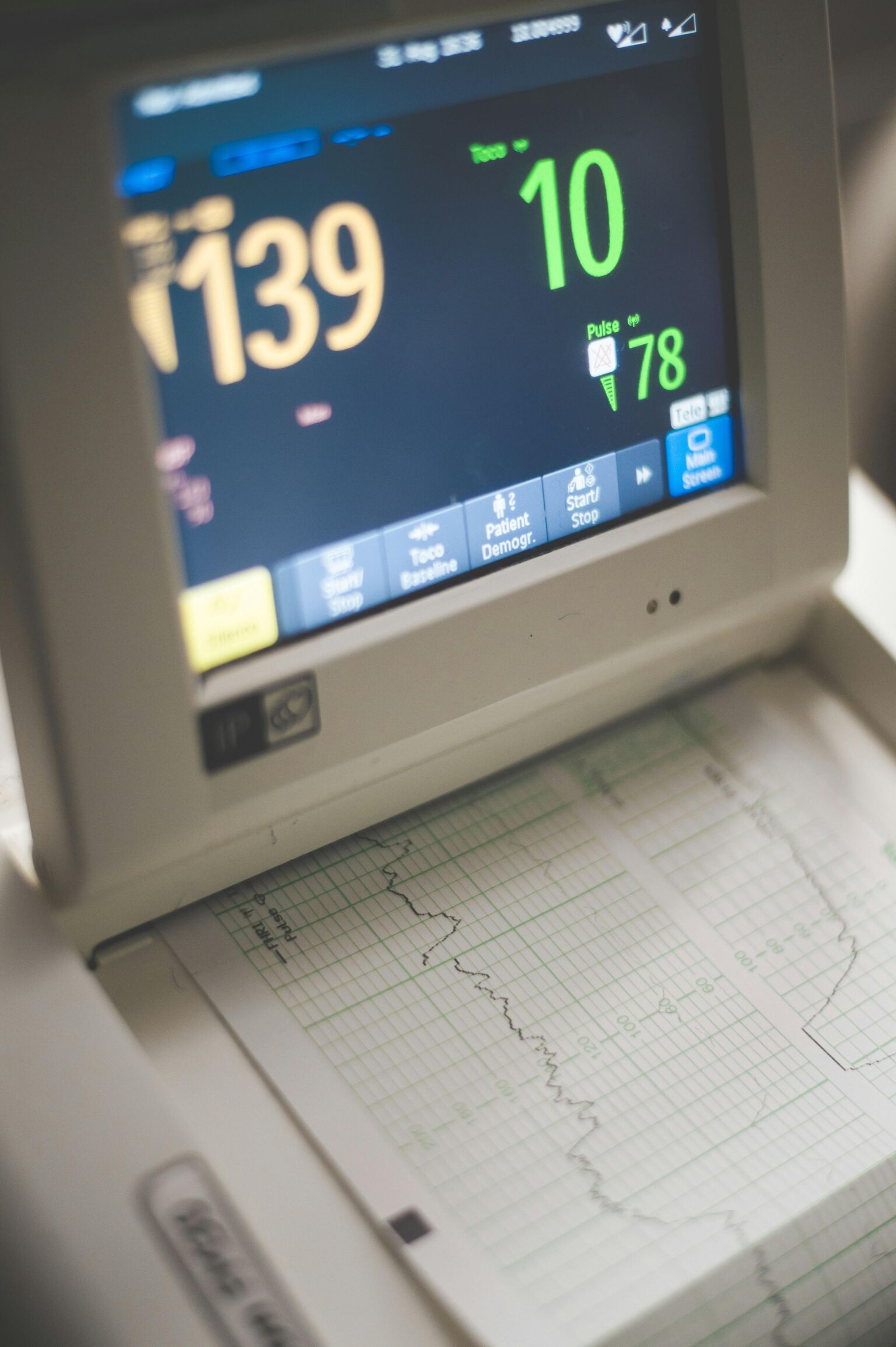
UAE Mammography Services Advance Through Diagnostic Innovation and Early Detection

The healthcare sector in the United Arab Emirates is placing increasing emphasis on preventive healthcare, breast cancer awareness, and advanced diagnostic services. Mammography plays an important role in this development by enabling healthcare professionals to examine breast tissue and identify abnormalities that may require further assessment. Growing awareness of early detection, expanding hospital infrastructure, and investments in diagnostic imaging technologies are supporting the development of mammography services across the country. Public healthcare authorities, private hospitals, diagnostic centres, and medical technology providers are contributing to the availability of screening and diagnostic facilities.
A comprehensive assessment by Markntel Advisor examines the UAE Mammography Market, highlighting technology developments, service adoption, healthcare infrastructure, competitive activity, and emerging opportunities. The study considers how breast cancer awareness initiatives, preventive screening programmes, diagnostic technology investments, and expanding healthcare services are influencing the sector. Its UAE mammography industry analysis explores the factors shaping demand and the evolving requirements of hospitals, diagnostic centres, healthcare professionals, medical equipment manufacturers, and patients.
Growing Focus on Breast Cancer Screening
Breast cancer screening is an important component of preventive healthcare in the UAE. Mammography uses low-dose X-rays to produce images of breast tissue, helping healthcare professionals identify abnormalities that may not be noticeable during routine examinations. Screening mammograms are generally performed for individuals without symptoms, while diagnostic mammography is used to investigate specific findings or changes identified during clinical assessment.
The UAE's official government health portal outlines screening recommendations for women aged 40 and above, with mammography advised every two years. Screening arrangements may differ for individuals with additional risk factors, making clinical assessment important when determining appropriate care. Further information is available through the UAE Government's cancer prevention and screening guidance.
Advancements in Mammography Technology
Technological development is influencing the capabilities of mammography facilities across the UAE. Digital mammography systems allow breast images to be captured and stored electronically, supporting image review, sharing, and integration with healthcare information systems. These capabilities can improve diagnostic workflows and facilitate communication between radiologists and other healthcare professionals.
Digital breast tomosynthesis, commonly known as 3D mammography, is another technology used in breast imaging. It captures images from multiple angles to create a series of breast tissue views, potentially helping clinicians assess certain findings more clearly. Technology selection depends on clinical requirements, equipment availability, facility capabilities, and applicable medical guidelines.
Healthcare providers are also exploring artificial intelligence applications that assist with image analysis and workflow management. These technologies can support radiologists by highlighting areas requiring closer review, although clinical interpretation and medical decisions remain the responsibility of qualified professionals.
Public and Private Healthcare Infrastructure
The UAE's healthcare ecosystem includes government hospitals, private medical institutions, specialised diagnostic centres, and outpatient facilities offering breast imaging services. Major healthcare networks are investing in diagnostic infrastructure to support preventive screening, clinical assessment, and follow-up examinations.
Public health authorities also contribute through awareness campaigns and screening initiatives. The Ministry of Health and Prevention has established national guidance for breast cancer screening and diagnosis, supporting more consistent clinical practices across healthcare settings. Its National Guideline for Breast Cancer Screening and Diagnosis outlines recommendations for screening, assessment, and the management of individuals with different risk profiles.
Breast Cancer Awareness and Preventive Healthcare
Awareness programmes are helping strengthen public understanding of breast health and the importance of timely medical evaluation. Campaigns conducted by healthcare authorities, hospitals, and community organisations encourage eligible individuals to learn about screening services and seek professional advice when they notice unusual changes.
The World Health Organization identifies early diagnosis and timely access to comprehensive treatment as essential elements of improving breast cancer outcomes. Its breast cancer fact sheet explains the role of screening, diagnosis, and treatment within broader healthcare systems.
Competitive Landscape and Service Development
The UAE mammography ecosystem includes hospitals, diagnostic imaging providers, medical equipment manufacturers, and healthcare technology companies. Competition is influenced by imaging quality, equipment capabilities, clinical expertise, service accessibility, and the integration of diagnostic systems with broader hospital infrastructure.
Providers are focusing on modern imaging equipment, trained radiology personnel, efficient appointment management, and coordinated patient pathways. Equipment maintenance, quality assurance, data security, and regulatory compliance are also important considerations for healthcare institutions operating mammography facilities.
Outlook
The UAE mammography sector will continue to be influenced by preventive healthcare priorities, breast cancer awareness, diagnostic infrastructure investment, and medical technology innovation. Digital mammography, tomosynthesis, and AI-assisted imaging are contributing to changes in diagnostic workflows, while public and private healthcare providers continue to strengthen screening and assessment capabilities. Accessibility, clinical quality, trained professionals, and alignment with national healthcare guidelines will remain important factors shaping the sector's development.














