

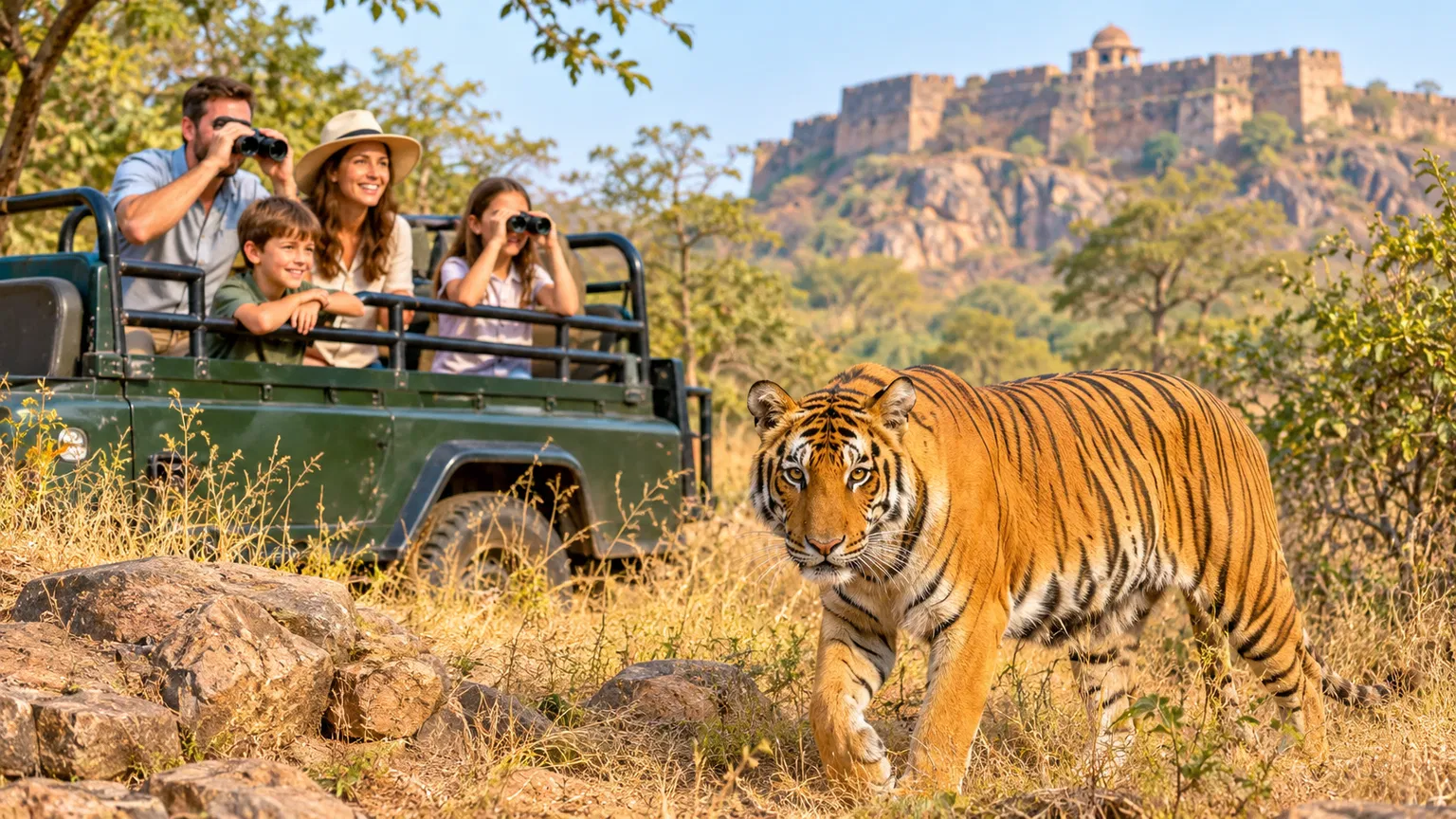
Ranthambore National Park: A Perfect Destination for Family Wildlife Holidays in India

India offers families an exciting combination of wildlife, natural beauty, history and cultural experiences. Among its many remarkable destinations, Ranthambore National Park in Rajasthan stands out as an excellent choice for families who want to experience India's extraordinary wildlife. Famous for its Bengal tigers, beautiful forest landscapes and historic surroundings, Ranthambore provides an unforgettable opportunity to introduce children and adults to the natural world.
For international visitors, particularly families travelling from the UK, a wildlife holiday in Ranthambore offers something different from a traditional sightseeing trip. Instead of spending every day exploring cities and monuments, families can enjoy guided jungle safaris, observe animals in their natural habitats and learn about India's conservation efforts.
For those planning family holidays to India, Ranthambore combines adventure, education and memorable experiences in one destination.
1. Why Is Ranthambore National Park Ideal for Family Holidays?
Ranthambore National Park is one of India's best-known wildlife destinations, attracting visitors from across the world. Located in Rajasthan, it is particularly famous for its tiger population and diverse natural environment.
The park features dry deciduous forests, open grasslands, lakes and rocky hills. These different habitats support a variety of wildlife, making every safari an opportunity to encounter something interesting.
Families can enjoy several experiences here, including:
-
Searching for Bengal tigers during guided jeep safaris.
-
Observing deer, crocodiles, monkeys and different bird species.
-
Learning about wildlife conservation and endangered animals.
-
Exploring the natural landscapes surrounding the park.
-
Spending quality time together away from busy urban environments.
A wildlife experience also encourages children to develop an interest in nature, animal behaviour and environmental protection.
2. Experience an Exciting Tiger Safari
A tiger safari is often the highlight of a family visit to Ranthambore. The park is internationally recognised for its Bengal tigers, and visitors have opportunities to observe these magnificent animals in their natural surroundings.
Safaris generally take place in the early morning and afternoon, when wildlife activity can be particularly interesting. Families travel through designated safari zones in open vehicles accompanied by trained guides and drivers.
During the journey, guides explain animal behaviour, identify wildlife tracks and share information about the forest ecosystem.
Although seeing a tiger is an exciting possibility, sightings are never guaranteed. This is an important point for families to understand before travelling. Every safari is different, and the experience remains rewarding even when tigers are not spotted.
Children can enjoy looking for other animals, listening to bird calls and observing the changing forest scenery. This makes the safari an engaging experience for different age groups.
3. Wildlife Families Can See in Ranthambore
Although tigers are the park's most famous residents, Ranthambore supports a fascinating variety of wildlife.
Families may encounter:
Bengal Tigers: The main attraction of the park, these powerful animals are among India's most recognisable wildlife species.
Leopards: These elusive big cats inhabit the surrounding forest and rocky landscapes, although sightings can be difficult.
Sloth Bears: Occasionally spotted during wildlife excursions, these distinctive mammals are another interesting part of the region's biodiversity.
Sambar Deer: India's largest deer species can often be seen near water sources and forest clearings.
Spotted Deer: Also known as chital, these attractive animals are commonly encountered during safaris.
Marsh Crocodiles: These reptiles can sometimes be observed resting near lakes and water bodies.
Birdlife: The park is home to numerous resident and migratory birds, making it interesting for young birdwatchers and nature enthusiasts.
Introducing children to different species helps them understand that a healthy forest depends on the relationship between animals, plants and their natural environment.
4. Explore the Historic Ranthambore Fort
Ranthambore is not only about wildlife. The region also has an important historical attraction: Ranthambore Fort.
Located within the national park landscape, this historic fort is recognised as a UNESCO World Heritage Site as part of the Hill Forts of Rajasthan.
The fort offers impressive views of the surrounding forests and lakes. Families interested in history and architecture can explore its historic structures, temples and gateways while learning about Rajasthan's royal past.
Combining a wildlife safari with a visit to the fort creates a varied holiday experience. Children can enjoy learning about India's medieval history while adults appreciate the architecture and scenic surroundings.
Visitors should check current access arrangements and local conditions before planning their visit.
5. Best Time to Visit Ranthambore with Family
Choosing the right season is important when organising family holidays in Ranthambore.
The main safari season generally runs from October to June, although individual zones and facilities may have different operating arrangements.
October to February: These months offer relatively pleasant weather, making them suitable for families who prefer cooler temperatures. The surrounding landscape is also greener following the monsoon.
March to April: Temperatures begin to rise, and wildlife viewing can become interesting around water sources. Families should prepare for warmer afternoons.
May to June: These are the hottest months, but some visitors choose this period for wildlife viewing opportunities. High temperatures may make travel less comfortable for young children.
The monsoon period, generally from July to September, brings seasonal closures to many core safari routes. Exact opening arrangements should always be checked before booking.
For most families, October to February offers a comfortable balance between outdoor activities and sightseeing.
6. Family-Friendly Accommodation and Experiences
The accommodation you choose can make a significant difference to your wildlife holiday.
Ranthambore has several types of accommodation, ranging from comfortable boutique properties to luxury jungle lodges. Many properties provide peaceful surroundings, attractive outdoor spaces and opportunities to enjoy Rajasthan's hospitality.
Families may prefer accommodation offering:
-
Spacious family rooms or interconnected accommodation.
-
Swimming pools and outdoor relaxation areas.
-
Child-friendly dining options.
-
Comfortable transport arrangements.
-
Knowledgeable local guides.
-
Flexible schedules for families travelling with children.
Luxury jungle lodges can make the experience particularly special. After an early morning safari, families can return to a peaceful property, enjoy breakfast and relax before their next adventure.
For travellers planning a premium family holiday in India, choosing accommodation that balances comfort, nature and convenient access to safari facilities is worthwhile.
7. Practical Tips for Families Visiting Ranthambore
A little preparation can help families enjoy their wildlife holiday comfortably and responsibly.
Book safaris in advance: Safari permits and preferred departure times can be limited, particularly during busy travel periods.
Choose suitable safari timings: Early mornings can be chilly during winter, so carry warm clothing. Afternoon safaris may require sun protection.
Prepare children: Explain that wildlife sightings are unpredictable and that patience is part of the safari experience.
Follow park regulations: Visitors should remain inside safari vehicles, avoid loud noises and never attempt to feed or disturb animals.
Pack essentials: Sunscreen, hats, comfortable clothing, binoculars and reusable water bottles can be useful.
Check age and safety requirements: Safari operators and accommodation providers may have specific arrangements for younger children. Confirm these before booking.
Families travelling internationally should also plan their transport connections carefully, allowing enough time between journeys and safari activities.
8. How to Include Ranthambore in an India Family Itinerary
Ranthambore works particularly well as part of a wider Rajasthan holiday or a Golden Triangle itinerary.
Families can combine their wildlife adventure with some of India's most fascinating cultural destinations.
A possible itinerary could include:
-
Delhi: Explore historic landmarks, markets and India's capital.
-
Agra: Visit the magnificent Taj Mahal and learn about Mughal history.
-
Jaipur: Experience Rajasthan's royal architecture, colourful markets and historic forts.
-
Ranthambore: Enjoy jungle safaris and learn about India's wildlife.
Allowing two or three nights in the Ranthambore region gives families a better opportunity to experience the destination without rushing. It also provides flexibility for multiple safari experiences.
This combination of history, architecture and wildlife creates a varied holiday for families visiting India for the first time.
FAQs About Ranthambore National Park for Family Holidays
1. Is Ranthambore National Park suitable for family holidays?
Yes, Ranthambore National Park is an excellent destination for families interested in wildlife, nature and outdoor adventures. Children and adults can enjoy jungle safaris, observe different animal species and learn about wildlife conservation.
2. What is the best time to visit Ranthambore National Park with children?
October to February is generally a comfortable period for families because of the pleasant weather. March and April are also suitable, although temperatures begin to rise. Families should consider the heat when planning visits during May and June.
3. Can families see tigers during a Ranthambore safari?
Yes, Ranthambore is famous for its Bengal tigers, and visitors have opportunities to spot them during guided safaris. However, tiger sightings are never guaranteed because the animals live freely in their natural habitat.
4. How many days should families spend in Ranthambore?
Two to three nights are generally recommended. This allows families to enjoy multiple safari experiences, relax at their accommodation and explore nearby attractions such as Ranthambore Fort.
5. What other animals can children see in Ranthambore National Park?
Apart from Bengal tigers, families may spot leopards, sloth bears, sambar deer, spotted deer, crocodiles, monkeys and numerous bird species. The variety of wildlife makes every safari an interesting experience.
6. Can Ranthambore be included in a Golden Triangle family holiday?
Yes, Ranthambore can be combined with Delhi, Agra and Jaipur to create an exciting family itinerary. This combination allows families to experience India's historical landmarks, royal heritage and wildlife within one holiday.
7. What should families pack for a Ranthambore wildlife safari?
Families should carry comfortable clothing, sunscreen, hats, sunglasses, binoculars and reusable water bottles. Warm layers are useful for early morning safaris during winter.
8. Is Ranthambore a good destination for international families visiting India?
Absolutely. Ranthambore offers international families an opportunity to experience India's wildlife, natural landscapes and cultural heritage. With suitable accommodation, experienced guides and advance safari planning, it can be a memorable addition to family holidays in India.














