

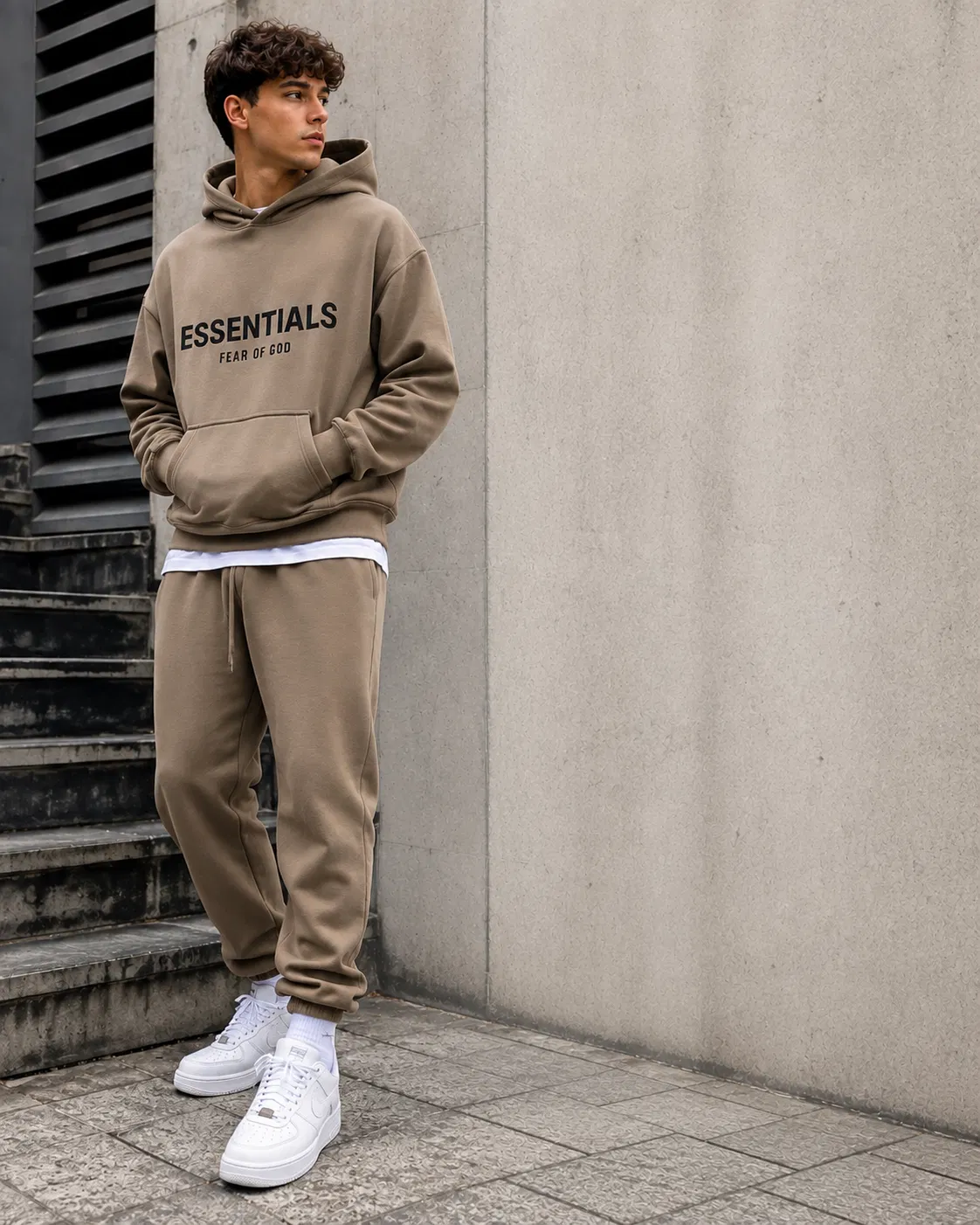
How Has Essentials Clothing Influenced the Evolution of Modern Streetwear?

Streetwear once relied on loud graphics, rare drops and bold logos. Today, however, calm and simple pieces fill many wardrobes. Over the past few years, Essentials clothing has driven much of that change by putting fit, fabric and comfort ahead of decoration. As a result, shoppers now expect premium basics instead of flashy statements. This article explains how that shift happened, which design choices mattered most and why the influence keeps growing. First, you will see how minimal design replaced loud branding. Then you will learn how comfort, layering and social media turned a quiet idea into a global fashion movement.
A Quiet Revolution in Street Style
Street style entered a quieter phase when designers and shoppers began questioning the need for constant visual noise. Instead of chasing the next limited release, buyers started valuing clothes that they could wear every day. Essentials pieces met that demand with clean lines, soft textures and relaxed proportions. Consequently, brands across the market adjusted their collections to offer simpler hoodies, sweatpants and tees. Moreover, retailers noticed that plain garments sold steadily throughout the year, while trend-driven items faded quickly. This change in buying behaviour gave minimal fashion a strong commercial base and opened the door for a wider audience to enjoy streetwear.
From Bold Graphics to Minimal Design
Early streetwear grew from skate, hip-hop and surf communities, where graphics signalled identity and belonging. However, as the style reached mainstream buyers, many people wanted the attitude without the billboard effect. Designers responded by removing heavy prints and focusing on shape, stitching and fabric weight. For example, a plain heavyweight hoodie with subtle branding now carries more prestige than many loud alternatives. The influence of Essentials shows in this restraint, since brands learned that confidence can come from quality rather than volume. Therefore, minimal design became a mark of taste, and everyday garments gained a premium look among younger shoppers.
How Neutral Colours Changed the Palette
Colour played an equally important role in this evolution. Black, charcoal, cream, stone and soft brown replaced neon tones and clashing patterns, because neutral shades combine easily. In addition, these tones help shoppers build a flexible wardrobe with fewer pieces. A single grey hoodie, for instance, works with denim, cargo pants or tailored trousers. Many designers adopted this palette after seeing how Essentials styling made outfits look cohesive and intentional. Meanwhile, neutral colours also age well, so garments stay fashionable for several seasons. As a result, shoppers spend less time matching outfits and more time enjoying clothes that simply work together.
Comfort Becomes the New Fashion Rule
Comfort once sat at the bottom of the fashion priority list, since sharp tailoring and stiff fabrics symbolised effort. That attitude changed quickly as remote work, travel and casual social life reshaped daily routines. People now want garments that feel soft, move freely and still look polished. Essentials fashion answered that need by combining brushed fleece, relaxed cuts and refined finishing. Furthermore, athleisure brands and luxury labels followed the same direction, which confirmed that comfort-first design had real market power. Today, shoppers judge a garment by how it feels after eight hours, not only by how it looks in a photograph.
The Rise of Oversized Hoodies and Relaxed Fits
The oversized hoodie became the clearest symbol of this movement. Dropped shoulders, longer sleeves and roomy bodies create a silhouette that looks relaxed yet deliberate. Moreover, heavyweight cotton fleece gives the garment structure, so the shape holds after repeated washing. Many shoppers now choose hoodies as outerwear, pairing them with straight jeans or wide sweatpants. Because the fit leaves space for layering, the same piece works in autumn and winter. Meanwhile, brands study these preferences closely and refine their size ranges, hem lengths and hood shapes. Consequently, relaxed tailoring has moved from a niche preference to a standard expectation in casual wear.
Tees and Shorts Join the Wardrobe
Streetwear influence now reaches beyond hoodies. Heavyweight tees, soft joggers and relaxed shorts have joined the daily rotation. A well-cut T Shirt Essentials design, for instance, offers a thick collar, a roomy chest and a clean hem that sits neatly over jeans or trousers. Similarly, Short Essentials styles use mid-weight fleece and an easy fit that suits summer travel and casual weekends. In addition, these pieces share a colour palette with hoodies, so shoppers can mix and match without effort. Therefore, a small collection of tees, shorts and sweatshirts can build many complete outfits. This flexibility keeps spending low and styling simple.
The Lasting Influence on Fashion Culture
The influence of this style extends well beyond individual garments. It has changed how brands design collections, how stores display products and how consumers shop. Fashion houses now release elevated basics alongside seasonal statement pieces, because customers want dependable staples. In addition, the focus on durable fabric supports a slower approach to shopping, which many buyers prefer. The Essentials approach also encourages people to build outfits around fit and texture instead of logos. Overall, the movement has widened the definition of luxury, since quality, comfort and simplicity now count as much as exclusivity. Smaller independent labels now follow the same approach.
Social Media and Layering Trends
Social platforms accelerated the spread of this look. Creators, stylists and everyday users posted outfit photos that showed how easily a hoodie, sweatpants and clean sneakers could look stylish. Consequently, layering became a popular skill. People now wear hoodies under long coats, sweatshirts over collared shirts and tees beneath open overshirts. These combinations work because the base pieces stay neutral and well proportioned. Many fashion editors credit Pull Essentials for making that approach feel accessible, since the pieces suit different body types and budgets. Meanwhile, short videos and styling guides keep the trend visible, so new audiences continue to discover it. .
Why the Style Still Works Today
Finally, practicality explains why the style lasts. Neutral basics suit every season, because lighter sweatshirts handle spring while heavy hoodies handle winter. They also support sustainable habits, since people can wear fewer, better garments for years instead of replacing cheap items often. Furthermore, versatile pieces move easily between work, travel and weekends, which saves money and storage space. Shoppers who build a capsule wardrobe around these items usually enjoy simpler mornings and more consistent outfits. In short, comfort, quality and flexibility give modern streetwear a durable foundation, and that foundation shows no sign of weakening. Start with one quality hoodie and build outward.














