

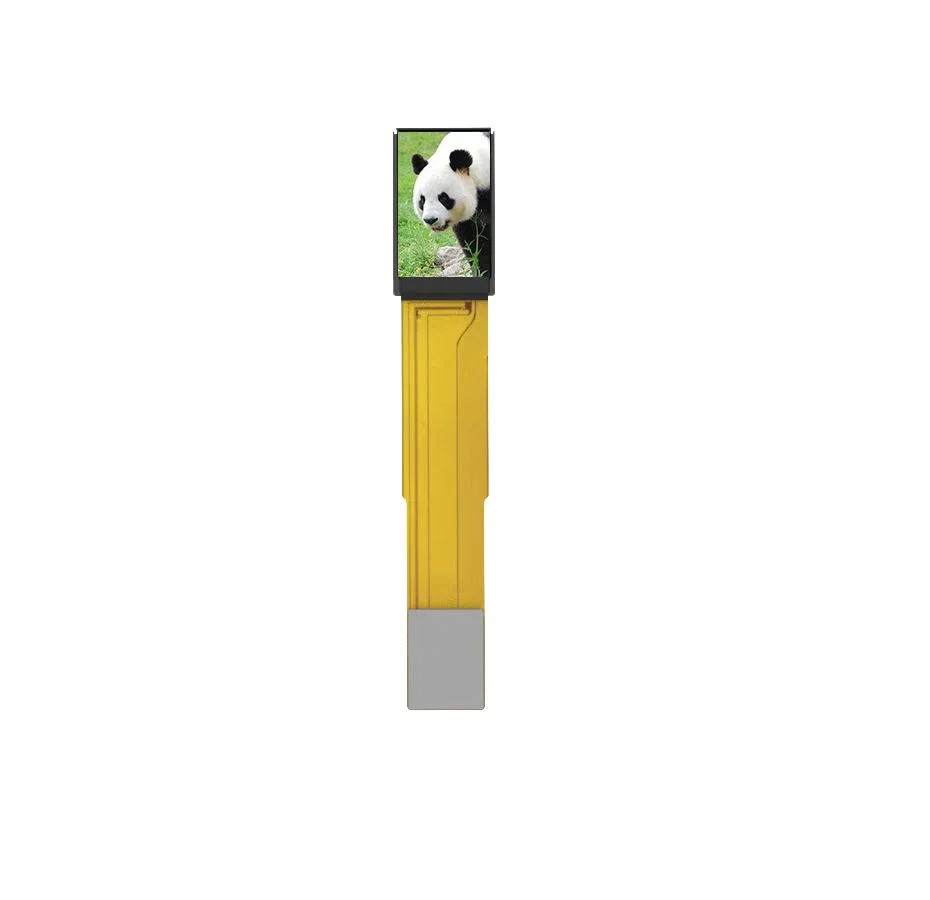

Modern electronic devices are becoming smaller, lighter, and more capable. From wearable technology and virtual reality headsets to professional imaging equipment, manufacturers increasingly need display components that deliver detailed visuals within limited physical space. This demand has encouraged the development of advanced display technologies designed for compact optical systems. A micro oled display is one such solution, combining a compact display structure with self-emissive pixels to support high-resolution visual experiences across specialized applications.
What Is Micro OLED Display Technology?
Micro OLED, also known as OLED on silicon, is a display technology that uses an organic light-emitting layer built on a silicon backplane. Unlike conventional LCD technology, which generally requires a separate backlight, OLED pixels produce their own light.
This architecture allows manufacturers to develop extremely compact display panels with closely packed pixels. Silicon backplanes provide a foundation for integrating the electronic circuits needed to control individual pixels, making the technology suitable for applications where both display size and image detail are important.
The combination of a small physical footprint and high pixel density makes micro OLED particularly relevant to near-eye display systems and other specialized optical devices.
Key Characteristics of Micro OLED Displays
Several characteristics contribute to the growing interest in micro OLED technology.
High Pixel Density: Micro OLED panels can accommodate a large number of pixels within a relatively small area. This is valuable in applications where the display is viewed through magnifying optics.
Self-Emissive Pixels: Each pixel generates its own light, eliminating the need for a conventional backlight system. This can support compact optical designs.
High Contrast: OLED technology can switch individual pixels off to produce deep black levels, creating strong contrast between bright and dark image areas.
Compact Construction: The silicon-based architecture supports small display formats that can be integrated into lightweight electronic systems.
Fast Pixel Response: OLED technology generally offers rapid pixel response, which can be beneficial in applications involving changing images and motion.
Actual performance varies by panel design, resolution, brightness, refresh rate, and operating conditions.
Applications in Virtual and Augmented Reality
Virtual reality and augmented reality devices are among the most important application areas for micro OLED displays. These systems require compact screens that can deliver detailed images through specialized optical components.
In virtual reality headsets, displays are positioned close to the user's eyes and viewed through lenses. High pixel density helps improve visual detail and can reduce the visibility of individual pixels under suitable optical conditions.
Augmented reality systems have different design requirements because they combine digital information with the user's surrounding environment. Display size, brightness, optical efficiency, and integration are important considerations when selecting components for these devices.
Micro OLED technology can support compact near-eye architectures, making it an option for manufacturers developing next-generation wearable visual systems.
Supporting Electronic Viewfinders and Imaging Equipment
Micro OLED displays are also used in electronic viewfinders found in certain professional cameras and imaging devices. An electronic viewfinder presents a digital preview of the scene being captured, helping photographers evaluate framing, exposure, and other visual details.
A compact display with high resolution can improve the viewing experience, particularly when paired with suitable optical magnification. Contrast and color reproduction are also important because photographers rely on the viewfinder to assess image composition accurately.
The suitability of a particular panel depends on its resolution, brightness, color characteristics, refresh rate, and compatibility with the optical system.
Why Pixel Density Matters in Small Displays
Pixel density is an important specification when comparing compact display panels. It describes how closely pixels are arranged within a given display area and is commonly expressed in pixels per inch.
A higher pixel density can help produce detailed images without requiring a physically larger screen. This is particularly useful in near-eye applications, where optical magnification makes display characteristics more noticeable.
However, pixel density should not be considered in isolation. The final visual result also depends on lens quality, optical alignment, viewing angle, display resolution, and the distance between the display and the optical components.
Manufacturers should evaluate the complete optical system rather than selecting a panel based on one specification alone.
Important Factors When Selecting a Micro OLED Panel
Choosing a display for a specialized electronic product requires careful consideration of technical and integration requirements.
-
Resolution: Determine the level of image detail required for the intended application.
-
Brightness: Evaluate the panel's brightness specifications in relation to the optical design and operating environment.
-
Contrast Ratio: Consider how well the display reproduces dark and bright areas.
-
Refresh Rate: Select a suitable refresh rate for the type of visual content being displayed.
-
Color Performance: Review color gamut and color accuracy requirements.
-
Physical Dimensions: Confirm that the panel fits the available device architecture.
-
Interface Compatibility: Check electrical interfaces, control requirements, and integration documentation.
-
Operating Conditions: Consider power consumption, heat management, and environmental requirements.
A balanced evaluation helps engineers identify display components that meet both visual and mechanical design objectives.
Integration Challenges in Compact Optical Devices
Although micro OLED technology offers several advantages, integrating a display into a compact optical system requires careful engineering.
One important consideration is optical alignment. The display must be positioned accurately in relation to lenses, prisms, and other optical elements. Even small alignment errors can influence image clarity and viewing comfort.
Thermal management is another factor. Compact electronic devices have limited space for heat dissipation, so designers need to consider power requirements and operating temperatures.
Electrical compatibility, mechanical mounting, and display control are also important. Early evaluation of these requirements can reduce development complications and support a smoother product integration process.
The Future of Micro Display Technology
Demand for smaller and more immersive electronic devices continues to encourage innovation in display engineering. Virtual reality, augmented reality, wearable electronics, professional imaging, and advanced visualization systems all create opportunities for compact display solutions.
Future development may focus on improving pixel density, brightness, energy efficiency, color performance, and manufacturing consistency. At the same time, optical engineers and device manufacturers will continue refining the lenses and optical architectures used with micro displays.
As these technologies develop, micro OLED is likely to remain an important option for specialized applications that require detailed visuals within compact device designs.
Conclusion
Micro OLED technology combines self-emissive pixels, compact construction, and high pixel density to support modern optical and electronic applications. Its use in near-eye displays, virtual reality systems, electronic viewfinders, and other compact devices demonstrates the importance of advanced display engineering. Businesses and product developers exploring suitable display components can review ARV Optical's micro oled display category to learn more about available micro display solutions for their design requirements.














