

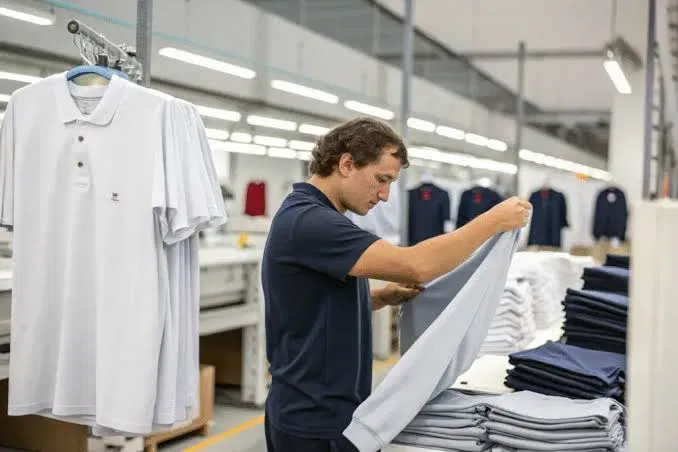

Put two oversized tees side by side, cut from the same pattern in the same color, and they can look like completely different garments. One hangs in clean, confident lines. The other droops, clings and wrinkles within an hour. The pattern did not change, the size did not change, and the print might even be identical. What changed was the fabric.
Because an oversized tee has no body underneath to give it shape, the cloth has to do the work on its own. That makes fabric quality more visible here than in almost any other garment. In this guide, we’ll go through exactly how fabric changes the look of an oversized t-shirt, from drape and color to collars and prints, and how to spot good quality before you buy. If you’re also comparing baggy shirts in Pakistan across different price points, understanding fabric will help you see what you are really paying for.
Why Fabric Matters More in a Loose Cut
A fitted tee borrows its shape from your body. The fabric stretches over your shoulders and chest, and small flaws in the cloth are hidden by the fit. An oversized tee hangs away from the body, so every property of the fabric shows, including its weight, texture, stiffness and finish.
That is why the same design can look premium or cheap depending on the material. A dense, smooth cotton falls straight from the shoulders and holds a boxy outline, while a thin, loosely knit cotton collapses into soft folds that cling and crease. Fabric is not a hidden detail in an oversized tee, it is the main visual feature.
Drape: How the Shirt Hangs
Drape is the first thing people notice, even if they cannot name it. Good fabric falls in clean, controlled lines. The shoulders sit flat, the body hangs straight and the sleeves keep a neat shape. This gives the dropped shoulder and boxy outline their intended look.
Poor fabric fails in predictable ways. It clings to the stomach, bunches at the hips and twists around the body, and the sleeves flop or balloon. The shirt looks like it is too big instead of designed to be big. Weight is the main factor, which is why dense cotton in the 200 to 240 GSM range tends to look sharp, while very light cloth under 160 GSM often looks limp.
Weight and the Premium Effect
Fabric weight, measured in GSM, shapes how substantial a shirt feels and looks. A heavier cotton has presence. It photographs well, shows crisp folds and gives the whole outfit a more considered feel, even when the design is plain.
That does not mean heavier is always better. A stiff, rough heavy cotton can feel worse than a smooth midweight one, and extra-heavy cloth can feel stifling in peak heat. For most of Pakistan’s year, the sweet spot is around 180 to 220 GSM for hot months and 220 to 240 GSM for cooler ones. For a closer comparison of how fit and fabric work together, this guide to oversized vs regular fit explains how different cuts behave.
Cotton Type: Smooth Versus Scratchy
The kind of cotton changes both look and feel. Basic carded cotton uses less refined fibers, so the surface can look slightly fuzzy and feel rough, and it tends to pill sooner. Combed cotton has its short fibers removed, leaving a smoother, stronger and cleaner surface. Ring-spun cotton is twisted into a finer yarn, which adds softness and a more even look.
Visually, better cotton shows a smooth, consistent texture with no visible bumps or loose fibers. Colors look cleaner, folds look sharper and the fabric keeps its surface through washing. Long-staple cottons are the most refined, with a silky feel and a subtle sheen, though they cost more.
The Knit: Tight Versus Loose
How the fabric is knitted matters as much as what it is made of. A tight, even single jersey knit looks clean and resists pilling and stretching. A loose or uneven knit shows gaps, ridges and a patchy texture, and it tends to lose shape quickly.
Look closely at the surface and you can often tell the difference. A good knit looks uniform, with small, even stitches that lie flat. A poor one looks open and slightly transparent, which is why thin, loosely knit fabric often turns see-through in light colors. Interlock knits are thicker and smoother with a premium drape, while pique has a textured surface that sits away from the skin and breathes well.
Color: Rich Versus Faded
Fabric quality has a big effect on how color looks. Good dyeing gives deep, even, saturated shade with no patchiness, and dark colors like black and navy stay rich through washing. Poor dyeing produces blotchy or streaky tones and fades quickly, so a black tee turns grey within a few weeks and looks tired.
Dense fabric also shows color better. A tight knit holds dye evenly, while thin cloth can look washed out or slightly translucent. Mercerized cotton, which is treated for strength and dye absorption, gives particularly rich color. If you want an outfit that looks sharp over time, color stability is one of the most important quality signs.
The Collar: The Giveaway Detail
If one detail exposes fabric quality, it is the collar. A good collar is made from thick, firm ribbed fabric that springs back after being stretched and sits snug against the neck. It frames the face and gives the whole shirt structure.
A cheap collar is thin and floppy, stretches out within a few washes and curls or gapes, which instantly makes the shirt look old. Because oversized tees are loose everywhere else, a firm collar is the one place where the shirt needs to look tight and neat. For more on how neckline shape changes the look of a tee, this comparison of crewneck vs V-neck explains how each suits different proportions.
Prints and Embroidery Sit Better on Good Fabric
Graphics depend on the fabric beneath them. A smooth, dense surface holds screen prints, puff prints and embroidery cleanly, with sharp edges and even color. Large back graphics sit flat and last longer, and the design keeps its shape after washing.
On thin or rough fabric, prints can warp, wrinkle or feel stiff, and heavy embroidery can pucker the cloth around it. Cracking and peeling also happen sooner. If you love bold artwork, choosing a sturdier fabric is one of the best ways to make the design look good for longer.
Wrinkles, Shrinkage and Shape
Good fabric keeps its shape. Quality cotton resists deep creasing, recovers well after washing and holds its dimensions. Pre-shrunk and garment-washed finishes help the shirt stay the same size, which matters for an oversized cut where length and width are part of the design.
Poor fabric wrinkles heavily, twists at the side seams after washing and can shrink noticeably in length. A shirt that was perfectly proportioned in the box can end up too short and too narrow, losing the oversized look entirely. Checking for finishing treatments such as pre-shrunk, bio-washed or enzyme-washed fabric is a quick way to avoid this.
Comfort and Climate
Fabric quality also changes how a shirt feels in Pakistan’s weather. Pure cotton is breathable and absorbs sweat, which makes it far more comfortable in heat and humidity than polyester-heavy blends, which trap warmth and odor. Smooth, soft cotton feels better against sweaty skin than rough cloth.
Performance fabrics have their place for very active days, because they pull moisture away from the body and dry quickly. For a closer look at how moisture-wicking cloth compares with cotton, these dri-fit t-shirts explain where each fits. For everyday wear, though, good cotton usually wins on comfort and look.
How to Spot Good Fabric
You can judge a lot with a few simple checks. Feel the cloth, which should be smooth and dense rather than scratchy, papery or oddly slippery. Hold it to the light, and if you can clearly see through it, the shirt will likely look thin and may turn transparent when wet.
Stretch the collar gently and let go to see if it recovers. Look at the knit, which should be tight and even, and check the seams for straight, flat stitching. When shopping online, read the description for cotton type, GSM and finishing terms, study photos for drape and read reviews about thickness, shrinkage and fading. If the listing is vague, ask the seller directly.
How Fabric Changes Styling
Better fabric makes outfits easier to put together. A heavy, well-draped tee holds its shape under an open overshirt or jacket, so layered looks stay clean. It stays opaque in light colors, which gives you more freedom with white and cream. It also looks neat with a simple half-tuck, since the fabric does not bunch or twist.
Poor fabric limits you. It bunches under layers, clings in heat and wrinkles quickly, so even a carefully planned outfit can look messy. Choosing good cloth is a way of making every other piece in your wardrobe work better.
Common Fabric Mistakes to Avoid
The most common mistake is choosing by design or price alone, which often leads to thin, rough cotton that looks fine in photos. Another is assuming heavier always means better, or buying very thin cloth in an oversized cut. Ignoring the cotton type, skipping pre-shrunk finishes, overlooking the collar and trusting vague claims like premium quality without any detail are the other usual traps. Sizing up too far also adds fabric without adding quality, so check the size chart against a shirt you already like.
Caring for Quality Fabric
Good fabric lasts only if you care for it. Wash tees inside out in cold water to protect color and prints, and avoid hot dryers that shrink cotton and loosen collars. Air dry in the shade, since harsh sun fades color, and make sure shirts are completely dry before folding. Fold your tees instead of hanging them to prevent shoulder bumps, and steam or lightly iron them before wearing.
Final Thoughts
Fabric quality changes almost everything about how an oversized tee looks. It decides how the shirt drapes, how rich the color appears, how firm the collar stays, how well a print holds and how the shirt ages with washing. In a loose cut, there is nowhere for poor material to hide.
Choose combed or ring-spun cotton at a sensible weight, check the knit and finishing, and read the reviews before you buy. A shirt made from good fabric looks sharper, feels better and lasts far longer, which makes it a smarter purchase in every way.














