

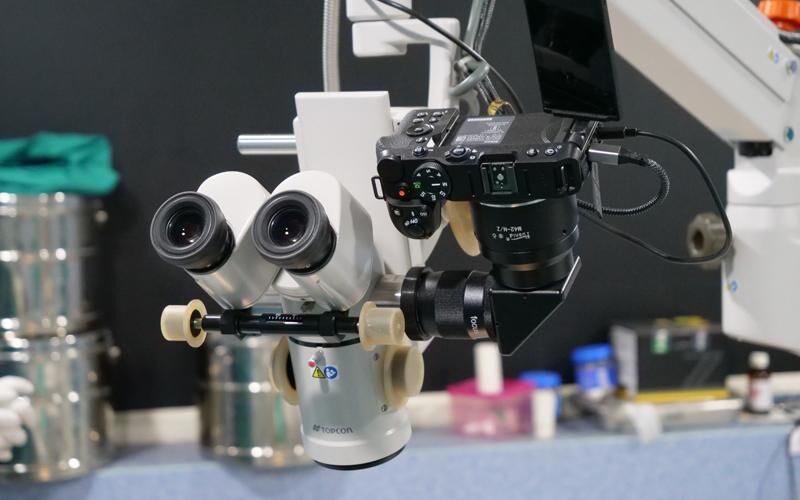

The cornea is the clear, dome-shaped front surface of the eye. It helps focus light and plays an essential role in maintaining clear vision. Infections, injuries, degenerative conditions and corneal scarring can affect its transparency and shape, sometimes leading to significant vision problems.
If you are searching for a corneal surgeon in Lucknow, it is important to consult an ophthalmologist experienced in diagnosing and treating corneal diseases. Depending on the condition, treatment may involve medication, specialised procedures or corneal surgery.
Klarity Eye Care Hospital in Nirala Nagar, Lucknow, offers cornea and ocular surface care, including evaluation and surgical treatment options for selected corneal conditions.
What Does a Corneal Surgeon Treat?
A corneal surgeon specialises in conditions affecting the cornea and the surrounding ocular surface. These conditions can range from mild infections to complex disorders that require surgical intervention.
Some commonly treated conditions include:
-
Keratoconus: A condition in which the cornea becomes thin and gradually develops a cone-like shape.
-
Corneal ulcers: Open sores on the corneal surface, often associated with infection.
-
Corneal infections: Inflammation caused by bacteria, viruses, fungi or other organisms.
-
Corneal scars: Cloudiness that can develop after injury, infection or inflammation.
-
Corneal dystrophies: Conditions that cause abnormal changes in corneal tissue.
-
Pterygium: Growth of tissue from the white part of the eye towards the cornea.
-
Corneal injuries: Damage caused by foreign bodies, chemicals or physical trauma.
Early diagnosis can help prevent complications and protect the remaining healthy corneal tissue.
Symptoms That May Require a Cornea Specialist
Corneal conditions can produce different symptoms depending on their cause and severity. You should consider an eye examination if you experience:
-
Blurred or distorted vision.
-
Persistent redness or eye irritation.
-
Eye pain or a foreign-body sensation.
-
Excessive watering or discharge.
-
Sensitivity to bright light.
-
A visible white spot or cloudy area on the cornea.
-
Frequent changes in spectacle prescription.
-
Difficulty seeing clearly at night.
Sudden vision loss, severe eye pain, chemical exposure or rapidly worsening redness requires urgent medical assessment.
What Treatments Does a Corneal Surgeon Provide?
The treatment depends on the specific diagnosis, the affected corneal layer and the severity of the condition.
1. Medical Treatment for Corneal Infections
Some infections can be managed with prescribed eye drops or other medicines. Treatment may involve antibacterial, antiviral or antifungal medication, depending on the suspected cause. Prompt assessment is important because certain infections can progress quickly and cause scarring.
2. Corneal Collagen Cross-Linking
Corneal collagen cross-linking, also known as C3R, is used in selected patients with progressive keratoconus. The procedure uses riboflavin and controlled ultraviolet light to strengthen the corneal collagen structure and help slow further progression.
3. Corneal Transplant Surgery
A corneal transplant, or keratoplasty, may be recommended when the cornea becomes severely damaged, scarred or cloudy. The surgeon replaces affected corneal tissue with suitable donor tissue.
Common types include:
-
Penetrating Keratoplasty (PK): Replaces the full thickness of the central cornea.
-
Deep Anterior Lamellar Keratoplasty (DALK): Replaces selected front layers while preserving the healthy inner endothelial layer.
-
Endothelial Keratoplasty: Replaces damaged inner corneal layers in appropriate conditions.
The choice of transplant depends on which corneal layers are affected.
4. Pterygium Surgery
Pterygium surgery removes abnormal tissue growing over the cornea. In suitable cases, a conjunctival autograft may be used to cover the affected area and reduce the chance of recurrence.
5. Ocular Surface Reconstruction
Severe injuries, chemical burns and certain surface disorders may require specialised reconstruction. Depending on the condition, procedures may involve amniotic membrane transplantation or limbal stem cell transplantation.
Not every patient needs surgery. A corneal specialist will explain the available options after examination and diagnostic testing.
How Are Corneal Problems Diagnosed?
Accurate diagnosis helps the surgeon select an appropriate treatment. Depending on the symptoms and examination findings, investigations may include:
-
Slit-lamp examination: Provides a magnified view of the cornea and other front structures of the eye.
-
Corneal topography: Maps the shape and curvature of the cornea, particularly useful in keratoconus assessment.
-
Corneal pachymetry: Measures corneal thickness.
-
Anterior segment OCT: Produces detailed cross-sectional images of the front structures of the eye.
-
Specular microscopy: Evaluates the cells lining the inner surface of the cornea when clinically indicated.
The ophthalmologist determines which tests are necessary for each patient.
Cornea Treatment at Klarity Eye Care Hospital, Lucknow
Klarity Eye Care Hospital provides specialised cornea and ocular surface services in Nirala Nagar, Lucknow. Its listed corneal procedures and treatment options include:
-
Corneal transplant surgery, including penetrating and lamellar techniques.
-
Corneal collagen cross-linking for selected keratoconus cases.
-
Pterygium surgery.
-
Ocular surface reconstruction.
-
Amniotic membrane transplantation.
-
Limbal stem cell transplantation.
-
Evaluation and management of corneal infections and other surface conditions.
The hospital also describes advanced procedures for selected complex cases. The suitability and availability of any procedure should be confirmed during consultation.
Patients can discuss their diagnosis, treatment alternatives, expected recovery, risks and follow-up requirements with the treating ophthalmologist.
Why Is Early Corneal Treatment Important?
The cornea plays a major role in focusing light. Damage to its normally transparent surface can interfere with vision and everyday activities.
Early evaluation may help identify treatable infections, monitor progressive conditions such as keratoconus and determine whether surgery is needed. Following the prescribed treatment and attending regular follow-up visits are important for protecting corneal health.
Book a Cornea Consultation in Lucknow
If you have persistent eye pain, redness, blurred vision, corneal scarring or a diagnosis of keratoconus, consider consulting an ophthalmologist for a detailed evaluation.
Klarity Eye Care Hospital
-
Address: B-39/1, Nirala Nagar, opposite Vivekanand Hospital, Lucknow, Uttar Pradesh 226020.
-
Phone: +91 98398 72625
-
Hours: Monday to Saturday, 10:00 AM–8:30 PM.
-
Website: https://klarityeyecare.in/dry-eyes-treatment-in-lucknow/
Contact the hospital to confirm cornea consultation schedules, specialist availability and procedure details.
Frequently Asked Questions
1. When should I consult a corneal surgeon?
Consult a corneal specialist if you experience persistent blurred vision, corneal infections, eye injuries, recurring redness, keratoconus or corneal scarring.
2. Can keratoconus be treated without a corneal transplant?
Many patients can be managed without a transplant. Depending on the stage, options may include specialised contact lenses and corneal collagen cross-linking. Advanced cases may require further treatment.
3. Is corneal transplant surgery necessary for every corneal scar?
No. Surgery is considered according to the scar's location, depth, effect on vision and the overall condition of the eye. Some cases can be managed without transplantation.














