

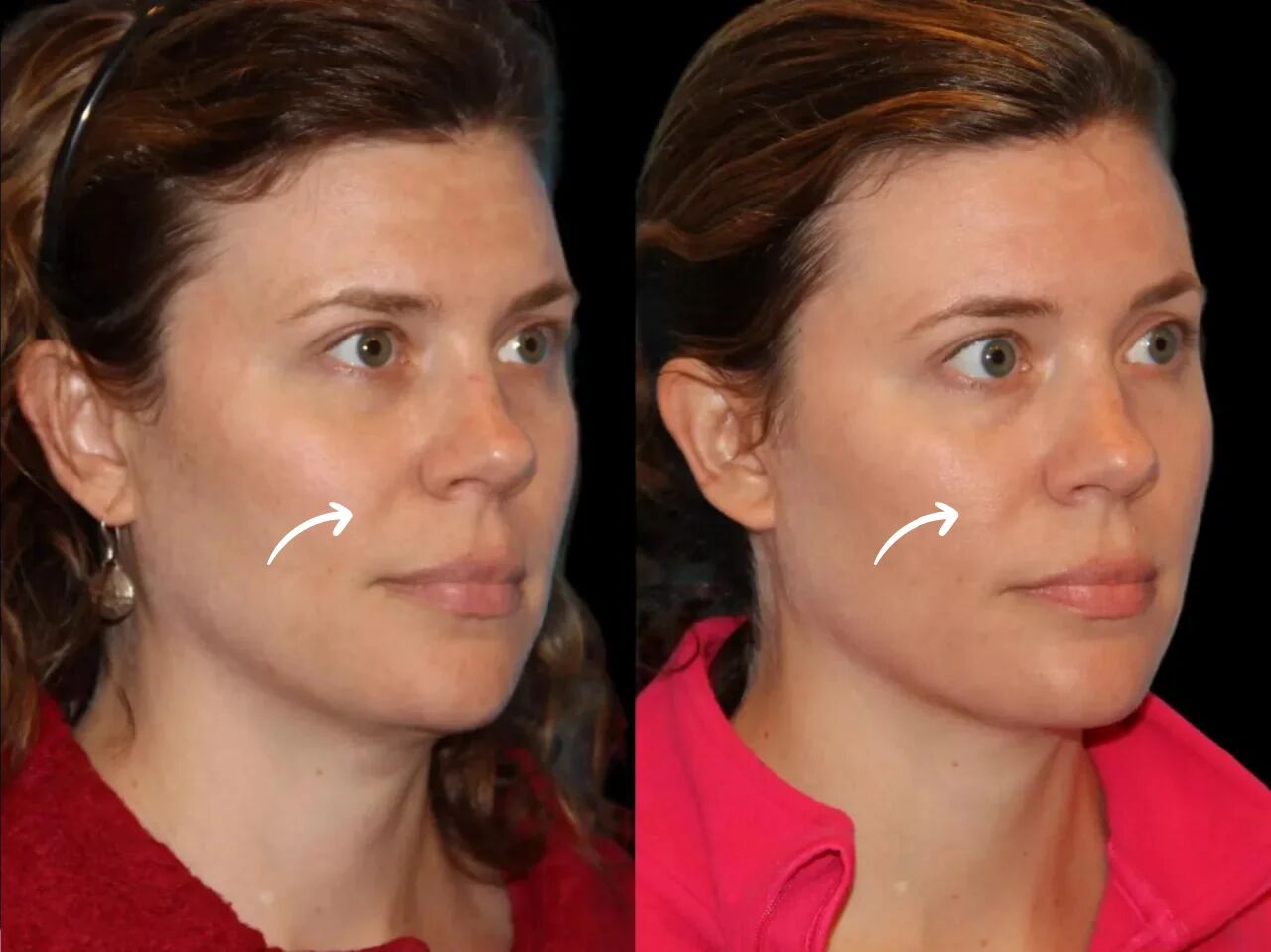
Understanding Sculptra Treatment Planning With the Best Doctors in Dubai

Sculptra treatment planning involves more than selecting an injectable product or deciding which areas need improvement. It requires a detailed understanding of facial anatomy, skin quality, volume distribution, individual aesthetic goals, and the gradual changes that occur during the aging process. A well-planned approach helps establish realistic expectations while supporting balanced, natural-looking results. Since Sculptra stimulates the body's collagen production, treatment decisions must account for how the skin and underlying tissues may respond over time.
Choosing an appropriate treatment provider is an important part of this process. A personalized approach considers individual facial characteristics, evaluates areas of volume loss, and develops treatment strategies according to each person's needs. Understanding these planning principles can help individuals make informed decisions before undergoing treatment.
How the Best Doctors in Dubai Develop an Individualized Sculptra Treatment Plan
A personalized treatment plan begins with understanding the patient's concerns rather than following a standard injection pattern. The Best Doctors in Dubai evaluate facial proportions, tissue characteristics, skin condition, and areas where collagen loss may be contributing to visible changes. This assessment helps determine whether Sculptra is an appropriate option and which areas may benefit from treatment.
During the planning process, several factors are considered:
- Facial structure: Natural contours, symmetry, and underlying bone support influence treatment decisions.
- Skin quality: Skin thickness, elasticity, and visible signs of aging help guide the assessment.
- Volume changes: The location and extent of facial volume loss determine potential treatment areas.
- Aesthetic expectations: Individual preferences help establish achievable treatment goals.
- Treatment suitability: Medical history, previous procedures, and individual risk factors are considered before proceeding.
Rather than focusing only on individual wrinkles or hollow areas, practitioners evaluate how different facial features work together. This comprehensive approach helps prevent excessive correction and supports a balanced treatment strategy.
Understanding the Role of Best Sculptra Doctors in Dubai in Treatment Planning
Selecting qualified professionals is essential when considering a collagen-stimulating injectable. The Best Sculptra Doctors in Dubai understand that treatment planning involves evaluating more than the visible signs of aging. They consider the relationship between facial anatomy, collagen production, tissue support, and the patient's desired outcome.
They also consider how treatment results may develop over several months. Unlike treatments that primarily provide immediate volume, Sculptra works gradually by stimulating collagen production. Therefore, the initial assessment should establish realistic expectations about the treatment timeline and the possibility of multiple sessions.
A thorough consultation may include:
Reviewing Medical and Treatment History
Previous cosmetic procedures, allergies, existing medical conditions, and medications can influence treatment suitability. Patients should provide accurate information about their health and any previous injectable treatments.
Identifying Areas of Concern
The practitioner examines areas where reduced volume, skin laxity, or changes in facial contours are noticeable. This helps determine whether Sculptra may address the patient's concerns.
Discussing Expected Results
Patients should understand that collagen development takes time. Results are not necessarily visible immediately, and individual responses can vary.
Establishing a Treatment Schedule
The practitioner determines whether one or multiple sessions may be appropriate, considering the treatment area, individual response, and product-specific recommendations.
The Importance of Facial Anatomy in Sculptra Treatment Planning
Facial anatomy plays a central role in determining where and how an injectable treatment should be administered. The face contains multiple layers of tissue, including skin, fat compartments, muscles, connective structures, blood vessels, and nerves. These structures influence facial movement, contour, and overall appearance.
Anatomical assessment helps practitioners understand why certain areas may appear hollow or less defined. For example, changes in deep facial volume can affect cheek contours, while reduced skin elasticity may contribute to a less firm appearance around the lower face.
Evaluating Facial Proportions
A balanced appearance depends on the relationship between different facial regions. Practitioners assess the forehead, temples, cheeks, jawline, and chin to understand how changes in one area may influence the overall facial appearance.
Understanding Volume Distribution
Age-related volume changes do not occur equally across the face. Some individuals experience noticeable hollowing in the cheeks, while others develop changes around the temples or lower facial region. Identifying these differences helps create a more appropriate treatment strategy.
Considering Skin Thickness and Elasticity
Skin characteristics influence treatment suitability and expected outcomes. Thinner or more delicate skin may require additional consideration during planning, particularly when evaluating treatment areas and potential risks.
How Sculptra's Collagen-Stimulating Action Influences Treatment Decisions
Sculptra is a poly-L-lactic acid-based injectable designed to stimulate collagen production. Its gradual mechanism of action makes treatment planning different from approaches that rely primarily on immediate volume enhancement.
After administration, the product initiates a response that encourages the body to produce collagen over time. As collagen develops, treated areas may gradually appear fuller and show improvements in skin support. However, the extent and timing of these changes differ between individuals.
Understanding the Gradual Treatment Timeline
Patients should not expect the final outcome immediately after their appointment. Early swelling or temporary fullness may occur following treatment, but this should not be confused with the longer-term collagen-related results.
A treatment plan should explain:
- When initial changes may become noticeable.
- Why collagen development requires time.
- Whether additional sessions may be recommended.
- How progress will be evaluated.
- When a follow-up assessment should take place.
Choosing Appropriate Treatment Intervals
The interval between sessions depends on the treatment area, individual response, and the practitioner's assessment. Allowing sufficient time for the body's response helps practitioners evaluate progress before recommending further treatment.
Factors That Influence Sculptra Treatment Planning
Although Sculptra may be considered for different aesthetic concerns, not everyone requires the same treatment approach. Several individual factors influence the planning process.
Age-Related Changes
As collagen production naturally declines with age, skin may gradually lose some of its firmness and structural support. Treatment planning should consider the extent of these changes rather than relying only on chronological age.
Skin Condition
Skin texture, elasticity, thickness, and existing laxity can influence whether Sculptra is suitable. Patients with significant skin laxity may require an alternative or complementary approach.
Personal Aesthetic Goals
Some individuals want to address facial hollowing, while others are more concerned about overall skin quality. Clearly identifying these priorities helps practitioners develop a focused treatment strategy.
Medical Considerations
A complete medical assessment is necessary before treatment. Certain medical conditions, allergies, active skin infections, and individual risk factors may affect eligibility. Patients should discuss all relevant concerns during their consultation.
Planning Different Sculptra Treatment Areas
Treatment planning varies according to the anatomical area being evaluated. Practitioners must understand the characteristics of each region and determine whether collagen stimulation is an appropriate option.
Facial Rejuvenation and Volume Support
For individuals exploring sculptra in Dubai, treatment planning may involve assessing facial volume, skin quality, and age-related changes. The objective is to identify areas where collagen stimulation may support a more refreshed appearance.
The use of sculptra fillers requires an understanding of the product's mechanism and the specific concerns being addressed. Practitioners should also distinguish between treatments intended for collagen stimulation and those designed to provide immediate structural volume.
Individuals interested in sculptra face treatments should discuss their facial proportions, existing volume distribution, and expected improvements during consultation. This helps establish whether the treatment is appropriate for their specific concerns.
Cheek and Midface Assessment
The cheeks contribute significantly to facial proportions and midface support. Reduced volume in this region may affect the appearance of the lower eyelids and nasolabial area.
An assessment of sculptra cheeks should consider existing facial structure, tissue thickness, and the degree of volume loss. The treatment strategy should aim for proportionate improvement rather than excessive fullness.
Neck and Skin Quality Considerations
The neck has different skin characteristics from many facial areas. Its thickness, movement, and underlying structures require careful assessment.
When considering sculptra for neck, practitioners should evaluate skin laxity, texture, and individual treatment suitability. Sculptra is not a universal solution for every neck concern, particularly when significant loose skin is present.
Body Contouring Considerations
Some individuals explore collagen-stimulating treatments for selected body areas. For example, sculptra for buttocks may be discussed when someone wants to address contour irregularities or volume-related concerns.
Treatment planning in this region requires a separate anatomical assessment. The practitioner should evaluate skin quality, existing tissue volume, body proportions, and the patient's expectations before considering treatment.
Similarly, sculptra buttock injections require an appropriately trained medical professional who understands the relevant anatomy, product indications, and potential complications.
For individuals researching buttocks sculptra, it is important to understand that suitability depends on individual circumstances. Treatment should never be planned solely according to a desired size or shape.
Addressing Hip Dip Concerns
Hip dips are natural indentations along the sides of the hips, influenced by pelvic structure, fat distribution, and underlying anatomy. Some individuals consider injectable treatments to soften their appearance.
An assessment for sculptra for hip dips should consider the patient's natural body proportions and whether collagen stimulation is appropriate. The practitioner should explain that complete elimination of natural anatomical indentations cannot be guaranteed.
The suitability of a sculptra filler for buttocks also depends on the specific product indication, treatment location, and professional assessment. Patients should discuss the available evidence, potential risks, and realistic outcomes before choosing this approach.
Understanding Product Selection and Treatment Expectations
Treatment planning should also include an explanation of the injectable product and its intended purpose. Although Sculptra is commonly discussed as a collagen stimulator, it should not be treated as interchangeable with every other injectable filler.
A sculptra dermal filler treatment is planned according to the product's characteristics, the intended treatment area, and the patient's individual needs. Practitioners should explain how the product works and whether it is suitable for the concern being addressed.
The treatment process involving sculptra injections also requires appropriate preparation, administration techniques, and post-treatment guidance. Patients should understand that the number of sessions and the final response cannot be determined through a standard formula.
Understanding Sculptra Treatment Costs Before Planning
Cost is another consideration when developing a treatment plan. The overall expense depends on several factors, including the treatment area, product requirements, number of sessions, and practitioner expertise.
When researching sculptra cost, patients should look beyond the initial appointment fee and understand what the proposed treatment plan includes.
The sculptra price may differ according to individual treatment requirements and the amount of product needed. A consultation provides an opportunity to discuss the estimated overall expense, potential follow-up appointments, and any additional costs.
Patients should be cautious about choosing a treatment based entirely on the lowest advertised price. Product authenticity, practitioner qualifications, clinical standards, and appropriate treatment planning are important considerations.
Choosing Between Celebrity Clinics in Dubai for Sculptra Treatment
When comparing Celebrity Clinics in Dubai, patients should look beyond promotional claims and focus on professional qualifications, product knowledge, consultation standards, and patient safety. A suitable clinic should provide clear information about treatment suitability, possible complications, and realistic expectations.
The reputation of Celebrity Doctors in Dubai should also be considered alongside their relevant medical qualifications, experience with injectable treatments, and understanding of facial and body anatomy. Patients should feel comfortable asking questions and receiving clear explanations before proceeding.
Preparing for a Sculptra Consultation at Perfect Doctors Clinic
A consultation provides an opportunity to discuss aesthetic concerns and understand whether treatment is appropriate. At Perfect Doctors Clinic, patients can discuss their goals with Dr. Perfect Celebrity and receive an assessment based on their individual requirements.
The consultation should involve an open discussion about medical history, previous treatments, expected results, and possible complications. Patients should also have sufficient time to ask questions before making a decision.
Questions Worth Discussing During the Consultation
Consider asking:
- Is Sculptra suitable for my specific aesthetic concerns?
- Which areas may benefit from collagen stimulation?
- How many sessions might be recommended?
- How long will it take to evaluate the results?
- What temporary reactions or complications should I understand?
- What aftercare instructions will I need to follow?
- Are alternative treatments more appropriate for my concerns?
Understanding Safety and Possible Side Effects
Sculptra is an injectable treatment, so it involves potential risks. Temporary swelling, tenderness, redness, bruising, and discomfort may occur after administration. Other complications can include palpable or visible nodules, delayed inflammatory reactions, infection, and uncommon but serious vascular complications.
Patients should receive clear instructions about warning signs and when to seek medical attention. The practitioner should also explain the importance of appropriate injection techniques, product handling, and follow-up care.
Aftercare and Monitoring Following Sculptra Treatment
Aftercare is an important part of the overall treatment plan. Patients should follow the specific instructions provided by their practitioner because recommendations may vary according to the treatment area and individual circumstances.
General aftercare considerations may include:
- Following the practitioner's massage instructions when recommended.
- Avoiding unnecessary pressure on the treated area.
- Managing temporary swelling or bruising according to professional guidance.
- Avoiding strenuous activities for the period advised by the practitioner.
- Attending scheduled follow-up appointments.
- Reporting unusual pain, skin discoloration, increasing swelling, or other concerning symptoms promptly.
Regular monitoring allows practitioners to assess the treatment response and determine whether further intervention is appropriate. Patients should avoid arranging additional injectable treatments independently before their progress has been evaluated.
Conclusion
Effective Sculptra treatment planning requires an individualized understanding of anatomy, skin condition, collagen changes, treatment suitability, and aesthetic expectations. A thorough assessment helps determine whether the treatment is appropriate, which areas may benefit, and how results should be monitored over time.
Choosing an experienced and appropriately qualified practitioner is equally important. By discussing medical history, understanding potential risks, and establishing realistic goals, patients can make more informed decisions about collagen-stimulating treatments. A personalized approach remains essential for prioritizing safety, proportionate results, and long-term treatment satisfaction.
Frequently Asked Questions
1. What Is the First Step in Sculptra Treatment Planning?
The first step is a detailed consultation and assessment. The practitioner reviews medical history, examines the treatment area, identifies aesthetic concerns, and determines whether Sculptra is suitable.
2. How Do Doctors Determine the Right Sculptra Treatment Areas?
Practitioners assess facial anatomy, skin quality, volume distribution, and individual goals. They consider how different areas relate to each other before recommending an appropriate treatment strategy.
3. Does Sculptra Provide Immediate Results?
No. Sculptra works by stimulating the body's collagen production, so improvements develop gradually. Temporary swelling after treatment should not be mistaken for the final outcome.
4. How Many Sculptra Sessions Are Usually Needed?
The number of sessions varies according to the patient's concerns, treatment area, and response. A practitioner determines the appropriate schedule following an individual assessment.
5. Can Sculptra Be Used for Different Facial Areas?
Sculptra may be considered for selected facial concerns, depending on product indications and individual suitability. The practitioner should evaluate each anatomical area before recommending treatment.
6. Is Sculptra Suitable for Everyone?
No. Medical history, allergies, skin conditions, treatment expectations, and other individual factors influence suitability. A professional consultation is necessary before treatment.
7. How Long Do Sculptra Results Take to Develop?
Results develop gradually as collagen production increases. The timeline differs between individuals and depends on the treatment area, number of sessions, and personal response.
8. What Should Patients Discuss Before Getting Sculptra?
Patients should discuss medical history, previous cosmetic procedures, treatment goals, expected results, possible complications, aftercare requirements, and the estimated overall treatment cost.
9. Can Sculptra Be Used for Body Contouring?
Sculptra may be considered for certain body-contouring concerns in selected circumstances. However, treatment suitability, product indications, anatomical risks, and supporting clinical evidence must be carefully evaluated.
10. Why Is Follow-Up Important After Sculptra Treatment?
Follow-up appointments allow practitioners to monitor collagen-related changes, evaluate treatment response, identify possible complications, and determine whether additional sessions are appropriate.














