

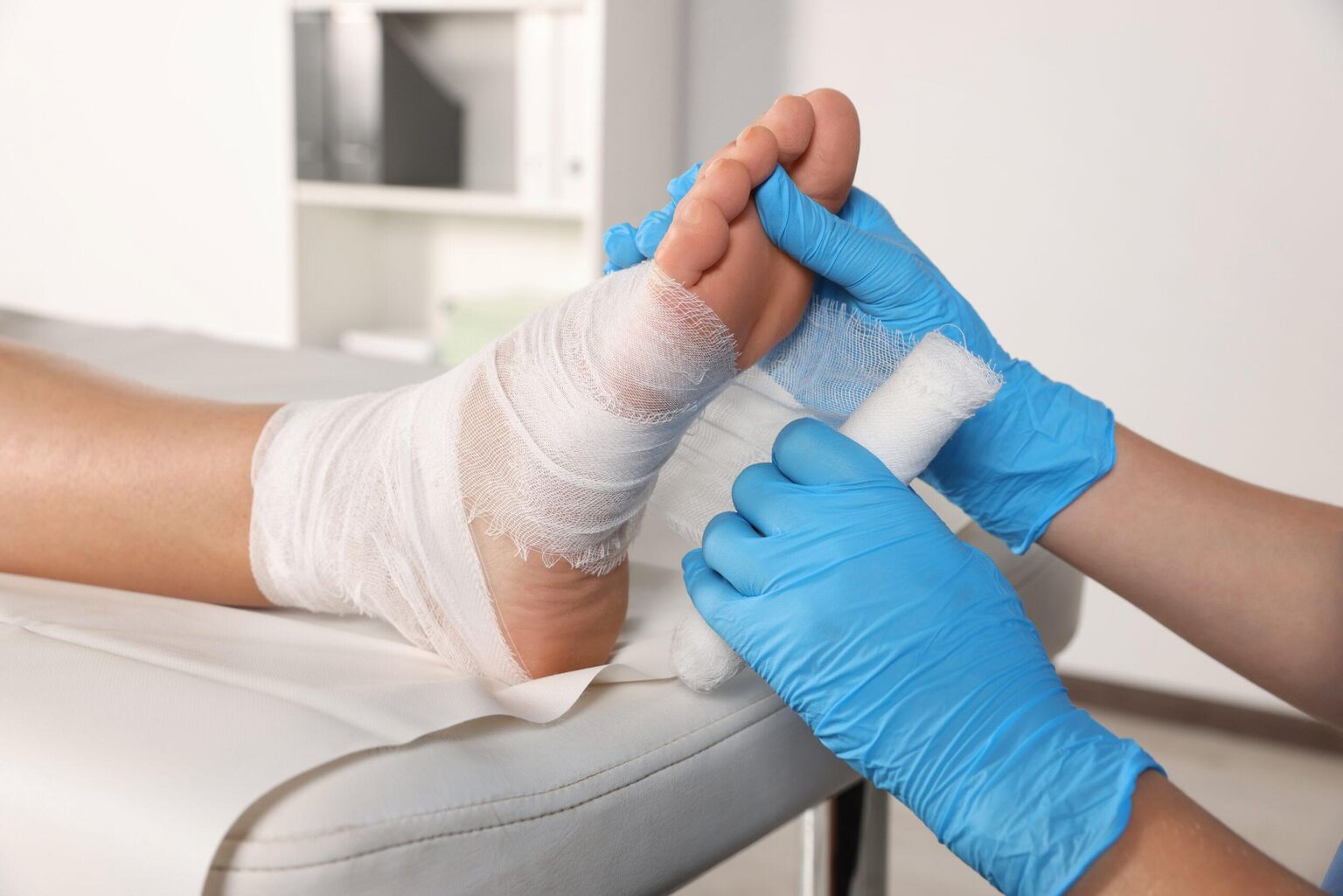
Wound Dressing at Home: What Patients Should Expect During a Nursing Visit
Proper wound care is essential for preventing infections, protecting damaged tissue, and supporting a smooth recovery. Whether a patient is recovering from surgery, managing a diabetic ulcer, or dealing with an accidental injury, regular dressing changes help maintain a clean environment for healing. Wound Dressing at Home in Dubai allows patients to receive professional wound management without the inconvenience of travelling to a hospital or clinic. With qualified nursing support and services such as Doctor at Home, patients can benefit from personalized wound assessments, hygienic dressing procedures, and continuous monitoring in a comfortable home environment. Understanding what happens during a nursing visit can help patients and caregivers feel more prepared and confident about the treatment process.
Why Do Patients Need Professional Wound Dressing at Home?
Professional wound dressing at home provides patients with convenient access to appropriate wound management while supporting comfort and continuity of care. Some wounds require regular cleaning, specialized dressing materials, and careful monitoring to prevent complications. Patients recovering from surgery, elderly individuals, people with diabetes, and those with limited mobility may find frequent clinic visits difficult. Home nursing services help address these challenges by bringing qualified healthcare professionals directly to the patient's residence. Nurses assess the wound, follow appropriate infection-control procedures, apply suitable dressings, and provide guidance about wound protection between appointments.
What Happens Before the Nurse Starts the Dressing Procedure?
A nursing visit generally begins with preparation and an initial assessment to understand the patient's condition and wound care requirements. The nurse may ask about the patient's medical history, current medications, allergies, previous wound treatments, and any discomfort experienced since the last visit. They also prepare the necessary wound care supplies and establish a clean working area before beginning the procedure. Patients should provide information about any recent changes, including increased pain, unusual discharge, or swelling. This initial discussion helps the nurse identify potential concerns and determine whether the existing wound care plan remains appropriate.
How Does a Nurse Examine the Wound?
Before removing or replacing a dressing, the nurse carefully evaluates the wound to understand its healing progress and identify possible complications. The assessment may include checking the wound's size, depth, location, colour, drainage, and surrounding skin condition. Nurses also look for signs of infection, such as increasing redness, warmth, swelling, or unusual discharge. For patients with diabetes, poor circulation, or chronic wounds, additional attention may be necessary because these conditions can affect healing. The findings are compared with previous assessments whenever possible, helping healthcare professionals determine whether the wound is improving or requires further medical evaluation.
Step-by-Step Wound Cleaning and Dressing Process:
After assessing the wound, the nurse begins the cleaning and dressing procedure using techniques appropriate for the patient's condition. The old dressing is removed carefully to avoid unnecessary discomfort or damage to healing tissue. The wound is then cleaned using a suitable solution, commonly sterile saline or clean water when clinically appropriate. The nurse checks the surrounding skin and applies any prescribed topical treatment if required. Once the area is prepared, a suitable dressing is selected and secured gently. A typical nursing visit may involve:
-
Performing hand hygiene and preparing appropriate wound care supplies.
-
Removing the existing dressing carefully.
-
Examining the wound and surrounding skin.
-
Cleaning the affected area using an appropriate solution.
-
Applying prescribed topical products when necessary.
-
Selecting a suitable sterile or specialized dressing.
-
Securing the fresh dressing without excessive pressure.
-
Disposing of used materials safely.
The exact procedure depends on the wound type, severity, and individual treatment plan.
What Types of Dressing Materials May Be Used?
Patients may notice that nurses use different dressing materials depending on the wound's condition and healing stage. Each product serves a particular purpose, such as protecting delicate tissue, absorbing excess drainage, or maintaining appropriate moisture levels. Gauze dressings are commonly used for basic wound coverage, while non-adherent materials help prevent dressings from sticking to healing tissue. Foam dressings may be appropriate for wounds with moderate drainage, whereas hydrocolloid dressings can support moisture balance in selected cases. Alginate dressings may also be recommended for certain wounds with heavier fluid discharge. Nurses select materials according to clinical assessment rather than using the same product for every patient.
Will the Nursing Visit Cause Pain or Discomfort?
Some patients experience mild discomfort during wound dressing, particularly when the wound is sensitive or the existing dressing has become attached to the tissue. However, professional nurses use careful techniques to minimize unnecessary pain and irritation. They explain the procedure, remove dressings gently, and select appropriate materials to protect delicate healing tissue. Patients should communicate openly if they experience discomfort during the visit. If pain is persistent, severe, or increasing between appointments, the nurse should be informed so that further medical assessment can be arranged. Prescribed pain management may also be discussed with the treating doctor when necessary.
How Long Does a Home Wound Dressing Visit Take?
The duration of a nursing visit depends on the wound's complexity, the number of affected areas, and the type of dressing required. A straightforward dressing change may take less time than the management of a deep surgical wound or chronic ulcer requiring additional assessment. The nurse may also spend time reviewing the patient's symptoms, explaining wound care instructions, and documenting healing progress. Patients should allow sufficient time for the procedure rather than expecting every appointment to follow an identical schedule. Consistent appointment planning helps ensure that each wound receives the attention necessary for safe and appropriate management.
What Instructions Will the Nurse Provide After Dressing?
After completing the dressing procedure, the nurse usually explains how patients should protect the wound until the next appointment. These instructions are important because improper handling between visits can increase contamination risks or disturb healing tissue. Patients and caregivers should follow the recommended dressing schedule and avoid applying unapproved creams or household remedies. Depending on the wound, the nurse may provide guidance about bathing, physical activity, pressure prevention, and prescribed medications. Common recommendations include:
-
Keep the dressing clean, dry, and secure as instructed.
-
Avoid touching the wound with unwashed hands.
-
Do not remove specialized dressings without professional guidance.
-
Avoid rubbing or applying unnecessary pressure to the affected area.
-
Follow prescribed medications and wound care instructions.
-
Maintain balanced nutrition and adequate hydration.
-
Attend scheduled nursing visits and follow-up assessments.
-
Report unusual pain, swelling, bleeding, or discharge promptly.
Following these instructions helps maintain continuity between professional visits.
Signs Patients Should Report During or After a Nursing Visit:
Patients should communicate any unusual changes in their wounds rather than waiting until the next scheduled appointment. Increasing redness, warmth, swelling, worsening pain, pus-like discharge, and unpleasant smells may indicate an infection or another complication. Unexpected bleeding, wound enlargement, or delayed healing should also be discussed with a healthcare professional. Patients with diabetes, weakened immunity, or poor circulation may require closer monitoring because their wounds can develop complications more easily. Fever, rapidly spreading redness, severe pain, or uncontrolled bleeding requires urgent medical attention. Regular nursing visits support monitoring, but serious symptoms should never be ignored.
Benefits of Choosing Wound Dressing at Home in Dubai:
Home nursing services make professional wound management more accessible for patients who need regular dressing changes or experience difficulty travelling. Receiving care at home allows patients to remain in familiar surroundings while qualified nurses provide appropriate wound assessments and treatment. It also gives caregivers an opportunity to understand the dressing process and learn how to support recovery between visits. Important advantages include:
-
Convenience: No repeated travel to healthcare facilities for routine dressing changes.
-
Personalized care: Treatment based on the patient's wound condition and medical history.
-
Comfort and privacy: Nursing procedures take place in a familiar environment.
-
Regular monitoring: Healing progress can be evaluated during scheduled visits.
-
Caregiver support: Families receive practical wound care guidance.
-
Continuity of treatment: Consistent appointments help maintain an appropriate care routine.
Final Thoughts
Knowing what to expect during a professional wound dressing visit can help patients feel more comfortable and prepared for their recovery journey. From the initial wound assessment and gentle cleaning to dressing application and aftercare instructions, every step contributes to safer wound management. Professional nurses provide essential support by monitoring healing progress, identifying potential complications, and ensuring that appropriate dressing techniques are followed. Choosing Wound Dressing at Home in Dubai allows patients to receive qualified nursing care without unnecessary travel while maintaining comfort and convenience. By following professional recommendations, attending scheduled visits, and reporting unusual symptoms promptly, patients can support healthier and more consistent wound recovery.














