

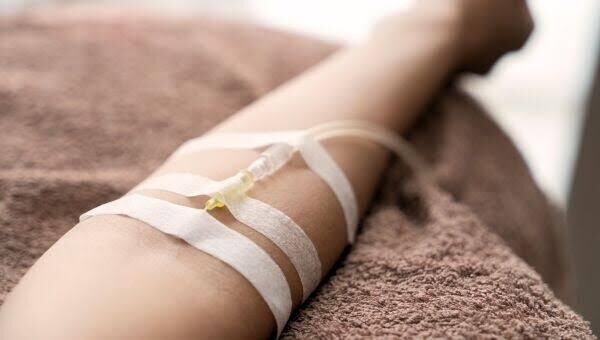
Maintaining the right balance of fluids and energy is essential for keeping the body healthy and supporting its daily functions. During illness, recovery, or periods of inadequate food and fluid intake, some patients may require additional medical support to maintain these important requirements. Glucose Drip at Home in Dubai offers a convenient option for medically suitable patients who need prescribed intravenous glucose administration. Through professional services such as Doctor at Home, patients can receive medical assessment and appropriate IV treatment in familiar surroundings. Understanding how glucose drips support fluid balance, provide glucose, and contribute to medical recovery can help patients and families make informed healthcare decisions.
Understanding How Glucose Drips Work:
A glucose drip is an intravenous solution containing glucose that enters the bloodstream through a small cannula inserted into a vein. Glucose is a simple carbohydrate that serves as an important energy source for the body's cells, including those in the brain and muscles. Depending on its formulation, an IV solution may also contribute to a patient's fluid requirements. Doctors prescribe different glucose concentrations according to the patient's medical condition, blood glucose levels, hydration status, and treatment objectives. Some solutions contain glucose alongside electrolytes or other prescribed components, while others have different clinical purposes. It is important to understand that glucose drips are not suitable for every patient and should only be administered when a qualified healthcare professional identifies a genuine medical need.
How Glucose Drips Support the Body's Energy Needs:
The human body requires a continuous supply of energy to maintain essential activities such as breathing, circulation, brain function, and muscle movement. Glucose plays an important role in meeting these energy requirements because cells use it to produce energy. During illness or recovery, some patients may struggle to consume sufficient food because of nausea, swallowing difficulties, digestive conditions, or reduced appetite. In selected medical situations, intravenous glucose may be prescribed when oral intake is inadequate or when blood glucose requires correction. It can provide glucose directly into circulation without relying on digestion. However, glucose administration alone does not provide complete nutrition because the body also needs proteins, fats, vitamins, minerals, and other nutrients. Doctors therefore consider the patient's overall nutritional requirements before recommending treatment.
The Role of Glucose Drips in Maintaining Fluid Balance:
Fluids are essential for regulating body temperature, supporting circulation, transporting nutrients, and maintaining normal organ function. When a person loses more fluids than they consume, dehydration can develop and affect several bodily processes. Intravenous fluids may be necessary when patients cannot maintain adequate hydration through oral intake or when their medical condition requires controlled fluid administration. Some glucose-containing IV solutions contribute to fluid replacement, but they are not appropriate for every type of dehydration. The doctor selects the solution based on the patient's hydration status, electrolyte levels, blood glucose readings, and underlying medical conditions. Patients with kidney or heart problems may require particularly careful fluid management because excessive administration can lead to complications. Proper assessment helps ensure that fluid therapy meets the patient's needs safely.
When Do Patients Need Glucose Drips for Fluid and Energy Support:
Certain medical situations can interfere with normal food and fluid consumption, making professional assessment important. Patients experiencing persistent vomiting, swallowing difficulties, poor appetite, or specific metabolic conditions may require additional medical support. In some cases, a glucose-containing IV solution may form part of the treatment plan, while other patients may need a different fluid formulation or nutritional intervention. Common situations that may require medical evaluation include:
-
Low blood glucose: Certain cases of hypoglycemia require glucose administration to restore blood sugar levels.
-
Poor oral intake: Patients unable to consume sufficient food or fluids may need medical assessment.
-
Recovery after illness: Some individuals require prescribed intravenous support while recovering from significant illness.
-
Post-surgical recovery: Patients experiencing temporary difficulties with oral intake may need carefully planned fluid management.
-
Swallowing difficulties: Certain neurological or medical conditions can make adequate oral consumption challenging.
-
Fluid loss: Vomiting, diarrhoea, and other conditions may require assessment for appropriate fluid replacement.
A glucose drip should never be considered an automatic treatment for weakness, tiredness, or dehydration. The underlying cause must first be identified.
Benefits of Receiving Glucose Drip at Home in Dubai:
Home healthcare services offer practical advantages for patients who require prescribed IV treatment and are medically stable enough to receive it outside a hospital. Travelling to a healthcare facility can be challenging for elderly individuals, people recovering from surgery, and patients with limited mobility. Receiving treatment at home allows eligible patients to remain in familiar surroundings while benefiting from professional medical supervision. Some important advantages include:
-
Convenience: Patients can receive prescribed treatment without unnecessary travel.
-
Comfort: Familiar surroundings may help reduce stress during the procedure.
-
Personalised care: Healthcare professionals can assess individual medical requirements.
-
Family involvement: Relatives can remain nearby and understand the treatment process.
-
Reduced physical strain: Home visits can support patients who find travelling difficult.
-
Professional monitoring: Qualified providers can observe the patient's response during administration.
These advantages depend on the patient's medical stability and the availability of appropriate home healthcare support.
How Glucose Drips Support Patients During Illness and Recovery:
Illness can affect the body's normal fluid and energy requirements. Fever, vomiting, diarrhoea, infections, and digestive problems may reduce food and fluid intake or increase fluid losses. Some patients may also experience changes in blood glucose levels because of their medical condition or treatment. In such circumstances, doctors assess whether intravenous glucose, another type of IV fluid, or a different intervention is appropriate. For example, a patient with documented hypoglycemia may require glucose treatment, while someone experiencing dehydration may need a fluid solution selected according to their electrolyte balance. Patients recovering from surgery may also require temporary intravenous support when oral intake is restricted. The treatment plan should always address the specific medical problem rather than relying on glucose administration alone.
Why Medical Assessment Is Important Before Glucose Drip Administration:
Before prescribing a glucose drip, a healthcare professional evaluates the patient's symptoms, medical history, medications, and current health status. Blood glucose measurements, electrolyte tests, and other investigations may be necessary depending on the patient's condition. This assessment helps determine whether glucose-containing fluids are appropriate and identifies potential risks. Patients with diabetes may experience increased blood sugar levels after intravenous glucose administration. Individuals with kidney disease, heart failure, or electrolyte disturbances may require additional precautions because fluid administration can affect their condition. A doctor also determines the appropriate solution, concentration, quantity, and administration rate. This personalised approach helps ensure that treatment supports the patient's clinical requirements without creating unnecessary complications.
What Happens During a Professional Home Glucose Drip Session:
A professional home IV session begins with a medical assessment and confirmation of the prescribed treatment plan. The healthcare provider reviews relevant medical information and prepares the required sterile equipment. The patient is positioned comfortably before a qualified professional inserts a small cannula into a suitable vein. The prescribed glucose-containing solution is then connected and administered at the recommended rate. During treatment, the healthcare professional monitors the patient for discomfort, changes in blood glucose when indicated, and possible reactions around the insertion site. Patients should immediately report pain, swelling, redness, dizziness, or unusual symptoms. Once the prescribed administration is complete, the professional evaluates the patient's response, removes the cannula when appropriate, and explains the necessary aftercare instructions.
Safety Precautions and Possible Side Effects:
Although glucose-containing IV solutions are widely used in medical practice, their administration requires appropriate supervision. Possible complications include bruising, irritation around the cannula, inflammation of the vein, infection, elevated blood glucose, and fluid overload. Patients with diabetes or kidney and heart conditions may need closer monitoring during treatment. Important safety precautions include:
-
Ensure treatment is prescribed by a qualified doctor.
-
Share complete medical information and medication details.
-
Use sterile, single-use IV equipment.
-
Monitor blood glucose when clinically recommended.
-
Follow the prescribed administration rate.
-
Report redness, swelling, pain, or leakage around the IV site.
-
Seek emergency assistance for severe breathlessness, chest pain, fainting, or sudden confusion.
Patients and families should never adjust the IV flow rate or administer additional fluids without professional instructions.
How Families Can Help Maintain Fluid and Energy Balance:
Family members can support patients by helping them follow their prescribed recovery plans and maintain appropriate nutrition and hydration. When oral intake is permitted, balanced meals containing carbohydrates, proteins, healthy fats, vitamins, and minerals help support the body's nutritional requirements. Patients should also follow medical advice regarding fluid consumption, especially if they have kidney or heart conditions. Families can keep track of medication schedules, follow-up appointments, and any recommended blood glucose measurements. Observing changes in appetite, urination, energy levels, and general wellbeing can also help identify potential concerns. If symptoms persist or worsen, patients should receive further medical assessment rather than relying on repeated glucose drip sessions.
Final Thoughts
Glucose drips can help manage specific glucose and fluid requirements when prescribed as part of an appropriate medical treatment plan. They may be useful for selected patients experiencing low blood glucose, inadequate oral intake, or certain recovery-related medical needs. However, glucose-containing IV fluids are not a universal solution for dehydration, weakness, or nutritional deficiencies. Glucose Drip at Home in Dubai provides a convenient option for medically suitable patients when treatment is prescribed and administered by qualified healthcare professionals. With proper assessment, appropriate fluid selection, and careful monitoring, home-based IV therapy can support individual healthcare needs while keeping patient safety a priority.














