

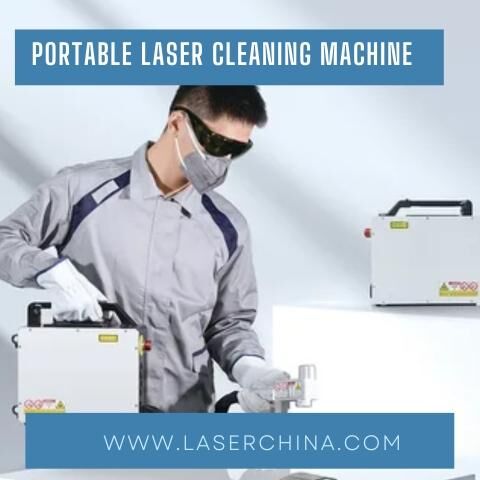
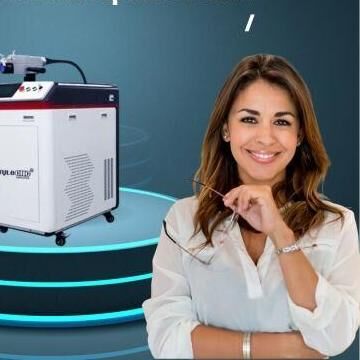
Modern industries require efficient and reliable solutions for removing rust, paint, grease, and other unwanted contaminants from metal surfaces. Traditional cleaning methods often involve chemicals, abrasive materials, or extensive manual labor. Laser technology offers a more advanced approach, allowing manufacturers and maintenance professionals to clean different surfaces with greater precision. A portable laser cleaning machine is an excellent choice for businesses looking for flexibility, mobility, and controlled surface treatment.
What Is a Portable Laser Cleaning Machine?
A portable laser cleaning machine is an industrial device that uses concentrated laser energy to remove unwanted materials from a surface. It works by directing a controlled laser beam toward contaminants such as rust, oxidation, paint, oil, and dirt. The laser energy interacts with the unwanted layer, helping separate it from the underlying material.
Unlike conventional cleaning equipment, this technology does not depend on sandblasting media or aggressive chemical solutions. Operators can adjust cleaning parameters according to the material, contamination level, and required surface finish.
Its compact design makes it suitable for workshops, manufacturing facilities, repair centers, and industrial maintenance operations.
How Does Laser Cleaning Technology Work?
Laser cleaning uses a process known as laser ablation. When the laser beam reaches a contaminated surface, its energy interacts with the unwanted coating. Depending on the material and selected settings, the contamination absorbs the energy and is removed through controlled heating, vaporization, or separation.
The operator can adjust parameters such as laser power, scanning speed, frequency, and focal position to achieve the desired cleaning result.
Proper parameter selection is important because different materials respond differently to laser energy. Testing on a small area before starting a complete cleaning project helps establish suitable operating conditions.
Industrial Applications
A portable laser cleaning machine can support various industrial cleaning requirements across different sectors.
1. Rust Removal: Metal components exposed to moisture and environmental conditions can develop rust over time. Laser cleaning helps remove corrosion from steel structures, machinery parts, automotive components, and metal equipment.
2. Paint and Coating Removal: Manufacturing and maintenance businesses frequently need to remove old paint, protective coatings, and surface treatments before repainting or processing metal components.
3. Mold Cleaning: Manufacturers working with industrial molds can use laser technology to remove accumulated residues, oil, and production contaminants. This is particularly useful in automotive, plastic, and rubber manufacturing.
4. Oil and Grease Cleaning: Mechanical workshops and production facilities can use laser cleaning to treat metal surfaces contaminated with oil, grease, and industrial deposits.
5. Historical and Metal Restoration: Carefully selected laser settings can help specialists clean certain metal objects and restoration components where controlled surface treatment is essential.
Choosing the Right Equipment
Selecting suitable equipment requires understanding the cleaning tasks and working environment. Laser power is one of the main considerations because different contamination types require different energy levels.
Businesses should also evaluate the laser source, cooling system, scanning head, operating controls, and available safety features. Fiber laser sources are commonly used in industrial cleaning applications because of their suitability for metal surface treatment.
Portability is another important consideration. Equipment weight, handle design, cable length, and mobility arrangements can influence daily working efficiency. Companies handling large structures or multiple work locations should consider these factors before purchasing.
Laser Safety and Maintenance
Industrial laser cleaning requires appropriate safety precautions. Operators should use laser-rated protective eyewear suitable for the specific wavelength and follow the manufacturer's safety instructions. The working area should have appropriate laser controls, warning signs, protective barriers, and suitable fume extraction.
Regular maintenance also helps maintain consistent performance. Inspecting cables, cleaning optical components according to manufacturer instructions, checking cooling systems, and keeping the equipment free from dust can support reliable operation.
Final Thoughts
Laser technology is changing the way industries approach surface preparation and contamination removal. A portable laser cleaning machine provides a practical solution for businesses that need flexible equipment for rust removal, paint stripping, mold maintenance, and metal surface cleaning.
By evaluating laser power, equipment quality, operating requirements, and safety systems, businesses can select a suitable machine for their production and maintenance needs. Investing in the right laser cleaning technology can help improve cleaning consistency and support modern industrial operations.














