


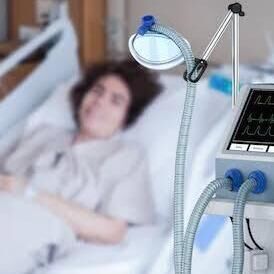
Arranging professional nursing care at home can make healthcare more convenient and comfortable, especially for patients who need regular medical assistance or personal support. Before the first appointment, families may have questions about the nurse's responsibilities, the assessment process, and how to prepare the home. Female Home Nursing Services in Dubai allow patients to receive personalised nursing support in familiar surroundings, with particular consideration for those who prefer female assistance during sensitive care activities. Whether someone needs help after surgery, support with a long-term condition, or assistance with daily nursing needs, services such as Doctor at Home can complement a coordinated healthcare plan. Knowing what happens during the first visit helps patients and families feel prepared and confident.
Confirming the Nursing Appointment and Care Requirements:
Before the first visit, the healthcare provider will generally collect information about the patient's condition and the type of assistance required. Families may be asked about the patient's age, medical history, current symptoms, mobility, prescribed medication, and any recent hospital admission. It is also important to explain why female nursing assistance is preferred and whether the patient has specific privacy or communication preferences. Based on this information, the provider can arrange a suitably qualified nurse and discuss the expected visit duration, services, and schedule. Sharing accurate details in advance helps the nurse prepare for the appointment and understand the patient's priorities.
Preparing Medical Records and Essential Information:
Having relevant healthcare documents ready can make the first nursing visit more productive. The nurse may need to review prescriptions, discharge summaries, investigation reports, allergy information, and instructions from the treating doctor. Families should also prepare an updated list of medications, including prescribed doses and administration times, along with details of any supplements the patient takes. If the patient has undergone surgery or receives ongoing treatment for a chronic condition, sharing the latest care instructions is especially important. Patients or caregivers should mention previous reactions to medication, mobility difficulties, and any recent changes in health. Accurate information helps the nurse understand the patient's needs and provide care within the agreed plan.
Meeting the Female Nurse and Discussing Patient Preferences:
During the first visit, the nurse will usually introduce herself, explain her professional role, and discuss the planned nursing activities with the patient and family. This is an opportunity for the patient to communicate preferences about personal care, privacy, language, daily routines, and how assistance should be provided. Some patients may feel nervous about receiving care from someone unfamiliar, particularly when they need help with bathing, dressing, or other sensitive activities. A professional nurse should listen carefully, explain procedures before performing them, and obtain consent. Establishing respectful communication from the beginning helps build trust and makes future visits more comfortable.
Conducting an Initial Nursing Assessment:
An initial assessment helps the nurse understand the patient's current condition and identify the support required. Depending on the reason for the visit, the assessment may include reviewing medical history, observing general appearance, asking about symptoms, checking mobility, and measuring vital signs such as blood pressure, pulse, temperature, or oxygen saturation. The nurse may also discuss pain levels, appetite, sleep, personal hygiene, and the patient's ability to complete everyday activities. This information helps determine which nursing tasks are appropriate and whether any concerns need to be referred to the treating doctor. The assessment should be based on the patient's condition and the nurse's professional scope.
Understanding the Nursing Services Included in the Visit:
The exact services provided during a first visit depend on the patient's healthcare requirements and the agreed care plan. Some patients may need basic monitoring and medication assistance, while others require more specialised nursing procedures. Depending on qualifications and professional authorisation, a female nurse may provide:
-
Monitoring of vital signs and general health observations.
-
Administration of prescribed medication.
-
Wound dressing and post-operative nursing support.
-
Catheter care and related hygiene assistance.
-
Personal hygiene, bathing, and dressing support.
-
Assistance with safe mobility and repositioning.
-
Monitoring and reporting changes in symptoms.
Families should confirm which services are included before the appointment. A home nurse does not replace a doctor, physiotherapist, or other specialist when their assessment or treatment is required.
Maintaining Privacy and Comfort During Nursing Procedures:
One reason patients choose female nursing assistance is that they may feel more comfortable receiving personal care from a woman. This can be particularly important for elderly women, patients with limited mobility, and individuals who need assistance with bathing, dressing, or intimate hygiene. During the visit, the nurse should maintain appropriate privacy, explain each procedure, and respect the patient's decisions. Families can help by arranging a clean, quiet, and private area where nursing activities can be performed safely. Patients should feel comfortable asking questions or requesting adjustments to their care routine. Respect for dignity and personal boundaries should remain central throughout every visit.
Discussing the Personalised Home Nursing Care Plan:
After reviewing the patient's condition and requirements, the nurse or healthcare provider can discuss the proposed care plan. This may include the nursing tasks required, visit frequency, monitoring needs, personal care preferences, and any instructions that should be followed between appointments. For example, a patient recovering after surgery may need wound observation and medication support, while an elderly person with limited mobility may require regular assistance with hygiene and repositioning. The plan should identify responsibilities clearly and explain when the family needs to contact the doctor. Female Home Nursing Services in Dubai can be arranged around individual needs, but the care plan should be reviewed whenever the patient's condition or requirements change.
Asking Questions About Medication and Daily Care:
The first visit is an ideal time for patients and family members to clarify how nursing support will work between appointments. They can ask about prescribed medication routines, wound care instructions, hygiene practices, mobility precautions, and symptoms that should be reported. The nurse may also explain which activities family members can safely assist with and which tasks require professional nursing skills. Important questions to discuss include:
-
What nursing activities will be performed during each visit?
-
How should medication instructions be followed?
-
Which symptoms require medical attention?
-
How should wounds or medical devices be cared for?
-
Who should the family contact if the patient's condition changes?
-
How often will the care plan be reviewed?
Clear answers help families understand their responsibilities and avoid relying on assumptions or unverified home remedies.
Preparing Your Home for Future Nursing Visits:
A comfortable and organised home environment makes ongoing nursing care easier. Families should provide a clean space with suitable lighting, access to handwashing facilities, and enough room for the nurse to perform required procedures. Prescribed medication, medical supplies, and patient records should be stored in an accessible but secure location. If the patient uses a hospital bed, wheelchair, walker, or other medical equipment, the family should explain how it is used and share any relevant instructions. Keeping walkways clear and removing potential trip hazards can also improve safety. The nurse may suggest practical changes based on the patient's mobility and care requirements.
What Happens After the First Nursing Visit:
Once the first appointment is complete, the nurse may document relevant observations, nursing activities, and any concerns that need follow-up. Families should understand the recommended schedule for future visits and know how to communicate updates between appointments. If the nurse identifies symptoms that require medical assessment, she should report them through the appropriate clinical process. Patients should also share feedback about their comfort, communication, and care preferences so that future visits can be adjusted where appropriate. Regular reviews help ensure that nursing support remains suitable as the patient recovers or their healthcare needs evolve.
Final Thoughts
The first female home nursing visit is an important opportunity to understand the patient's needs, establish trust, and organise professional support at home. By preparing medical records, discussing personal preferences, and asking questions about nursing responsibilities, families can help make the appointment more productive. A qualified nurse can assess the patient's condition, provide appropriate nursing assistance, and communicate concerns to the wider healthcare team. Female Home Nursing Services in Dubai offer a practical way to arrange personalised care while prioritising comfort, privacy, and dignity. With clear communication and a suitable care plan, patients and families can approach ongoing home nursing with greater confidence.














