


Which Diseases Are Checked in a Visa Blood Test?
A visa medical examination is an important requirement for many people planning to work, study, join family members, or settle in another country. Depending on the immigration rules, applicants may need to undergo different medical investigations, including a visa blood test, to assess specific health conditions and meet immigration health requirements.
One of the most common questions applicants ask is which diseases are checked during this examination. Understanding the answer can help reduce uncertainty, prepare applicants for the medical screening process, and explain why particular laboratory investigations may be requested.
A visa blood test can screen for certain infectious diseases, identify specific medical markers, and provide information that healthcare professionals use when completing an immigration medical assessment. However, the exact tests are not identical for every applicant. They depend on the destination country, visa category, age, medical history, and applicable immigration guidelines.
This article explores the diseases that may be checked during a visa blood test, how different screening methods work, what abnormal results mean, and what applicants should know before attending their medical examination.
What Does a Visa Blood Test Actually Look For?
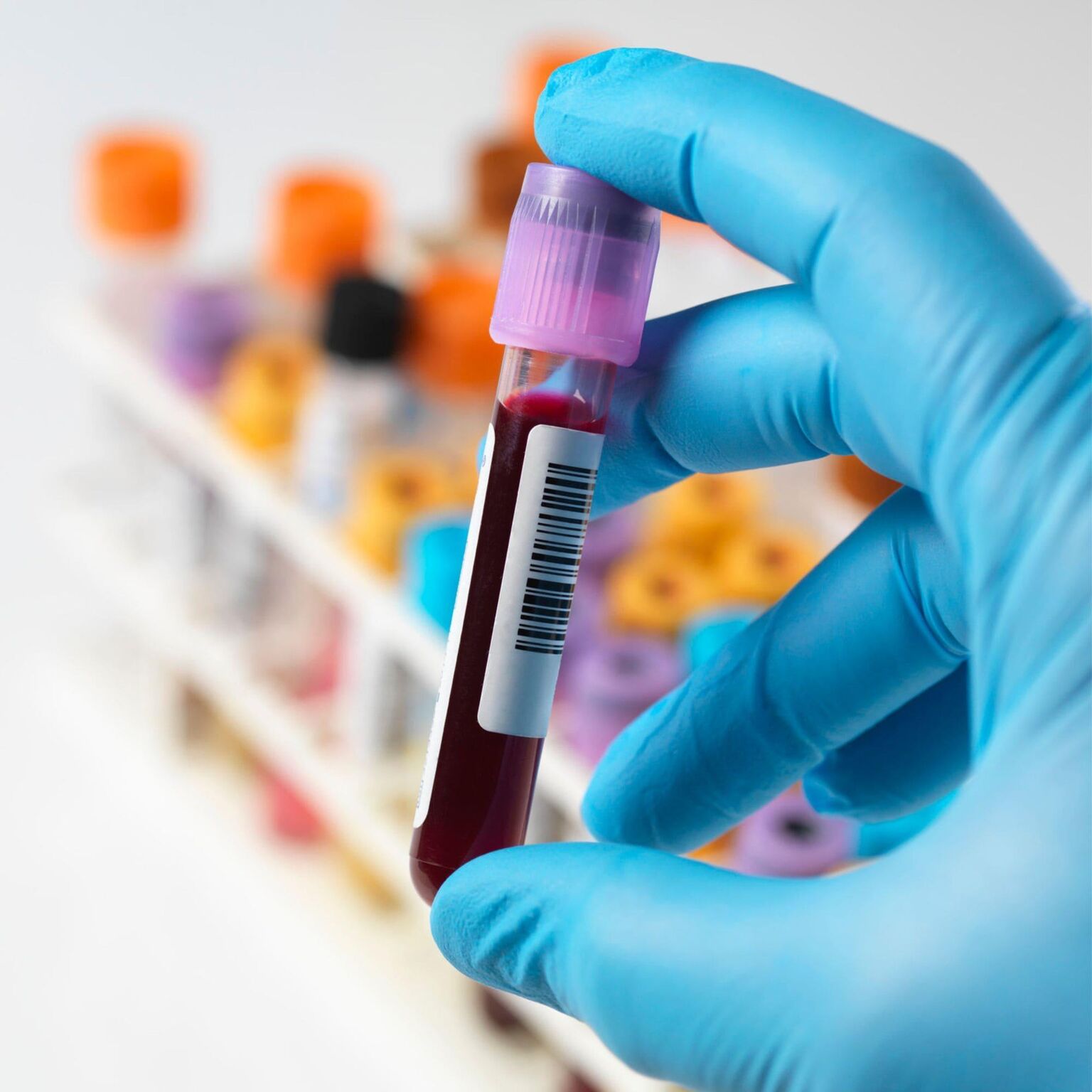
A visa blood test is a laboratory investigation performed as part of certain immigration medical examinations. A healthcare professional collects a blood sample, which is analyzed for particular markers associated with infections or other health conditions.
The main purpose is to investigate medical conditions specified by the relevant immigration screening program.
Unlike a comprehensive diagnostic examination, an immigration blood test does not automatically check for every disease. Instead, the laboratory performs the investigations requested by the authorized medical provider.
Depending on the applicable requirements, screening may include:
-
Human immunodeficiency virus (HIV).
-
Hepatitis B infection.
-
Hepatitis C infection.
-
Syphilis.
-
Other selected medical indicators when clinically or administratively required.
It is also important to understand that some medical conditions are assessed through physical examinations, chest X-rays, medical history reviews, or other diagnostic procedures rather than blood testing.
The Main Diseases That May Be Included in Visa Blood Screening
The following conditions are examples of infections that may be investigated during certain immigration medical examinations. Their inclusion depends on the applicable immigration rules.
1. HIV (Human Immunodeficiency Virus)
HIV is a virus that affects the immune system, particularly cells involved in protecting the body against infections.
Certain immigration medical programs include HIV screening as part of their required laboratory investigations.
How is HIV detected?
Modern HIV screening commonly uses tests that identify HIV antibodies and, depending on the method, the p24 antigen. Additional testing may be required when an initial screening result is reactive.
Why is screening important?
Early identification allows individuals to access appropriate medical care, treatment, and counseling. It also helps healthcare professionals complete the medical assessment using reliable laboratory information.
A reactive screening result is not necessarily a confirmed diagnosis. It must be interpreted according to the testing algorithm and relevant clinical information.
2. Hepatitis B
Hepatitis B is a viral infection that affects the liver. It can be transmitted through infected blood, certain bodily fluids, and from an infected mother to her baby during childbirth.
Some immigration medical examinations include hepatitis B screening, depending on the destination country's health assessment requirements.
Which blood markers are checked?
A hepatitis B investigation may include different markers, such as:
-
Hepatitis B surface antigen (HBsAg).
-
Hepatitis B surface antibody (anti-HBs).
-
Hepatitis B core antibody (anti-HBc).
These markers provide different information about current infection, previous exposure, or immunity.
Why does it matter?
Identifying hepatitis B can help healthcare professionals assess liver health and recommend appropriate medical follow-up when necessary.
3. Hepatitis C
Hepatitis C is another viral infection that primarily affects the liver. It can lead to chronic liver disease if it remains untreated.
Some immigration screening programs may request hepatitis C testing based on their medical protocols.
How is hepatitis C identified?
The initial investigation commonly involves an HCV antibody test. If the result indicates possible exposure, an HCV RNA test may be performed to determine whether an active infection is present.
It is important to understand that a positive antibody result does not necessarily mean that someone currently has hepatitis C. Additional testing is needed to establish the infection status.
4. Syphilis
Syphilis is a bacterial infection caused by Treponema pallidum. It can affect several parts of the body and may cause serious complications when left untreated.
Certain immigration medical programs include syphilis screening because identifying and treating the infection is medically important.
Which tests are used?
Laboratories may use non-treponemal tests, such as RPR or VDRL, and treponemal tests to investigate syphilis.
A reactive result requires appropriate medical interpretation. Previous treatment, infection stage, and other clinical factors can influence how the findings are understood.
Early diagnosis is important because syphilis is treatable with appropriate medical care.
Are Other Diseases Checked During an Immigration Medical Examination?
Yes, but it is important to distinguish blood screening from the wider immigration medical examination.
Not every medical condition is investigated through a blood sample. Some conditions require other diagnostic procedures or a physical assessment.
The following examples explain how different medical conditions may be evaluated.
Tuberculosis (TB)
Tuberculosis is an infectious disease that commonly affects the lungs. It is an important consideration in many immigration medical screening programs.
However, tuberculosis screening is often performed through a chest X-ray, medical history, symptom assessment, or additional investigations rather than a routine blood test.
In certain situations, an interferon-gamma release assay (IGRA) or tuberculin skin test may be requested to assess TB infection.
Diabetes
Diabetes is a condition involving elevated blood glucose levels.
It is not universally included in immigration blood screening. However, a healthcare provider may request glucose or HbA1c testing when there is a relevant medical reason or when the applicable examination requires it.
Liver-Related Conditions
Some blood investigations can provide information about liver function.
For example, ALT, AST, and other biochemical markers may be requested when evaluating particular health concerns. These tests are not necessarily part of every standard visa medical examination.
Other Infectious Diseases
Additional investigations may be requested when an applicant's medical history, symptoms, or immigration medical guidelines indicate a need for further assessment.
The exact requirements should always be confirmed through the official medical examination instructions.
How Do Doctors Decide Which Diseases Need Screening?
Immigration medical screening is based on established health assessment policies rather than a single testing list used worldwide.
Several factors may influence which laboratory investigations are requested.
Destination country: Different countries establish their own immigration health requirements.
Visa category: Employment, permanent residency, student, and family immigration programs may have different medical screening rules.
Applicant's age: Some medical examinations have age-specific testing requirements.
Medical history: Previous infections, existing conditions, and ongoing treatment may influence additional investigations.
Clinical findings: Symptoms or abnormal findings during an examination may lead to further testing.
This explains why two applicants applying for different visa categories may undergo different blood tests even when they attend the same type of medical facility.
What Happens During the Visa Blood Testing Procedure?
Although the testing requirements can vary, the actual blood collection procedure is generally straightforward.
The process normally involves the following stages:
-
Registration: The medical provider verifies the applicant's identity and relevant visa examination details.
-
Medical history: The healthcare professional reviews previous illnesses, medication use, and other relevant information.
-
Sample collection: A trained professional collects blood using a sterile needle.
-
Laboratory testing: The sample is analyzed for the specific markers requested.
-
Result interpretation: A qualified professional reviews the findings and determines whether additional investigations are needed.
-
Medical reporting: The results are incorporated into the immigration medical assessment according to the required reporting process.
Applicants should provide accurate medical information to ensure that the results are interpreted appropriately.
How to Understand Positive, Negative, and Inconclusive Results?
Receiving a laboratory report can be confusing, particularly when it contains medical terminology.
Understanding the general meaning of common result categories can help applicants know what questions to ask their healthcare provider.
| Result category | General meaning |
|---|---|
| Negative or non-reactive | The test did not detect the marker being investigated |
| Positive or reactive | A marker was detected and may require further evaluation |
| Inconclusive | The result does not provide a clear answer |
| Confirmed positive | Additional testing supports the presence of the relevant infection |
The meaning of each result depends on the particular test.
For example, a positive hepatitis C antibody result does not necessarily indicate an active infection. Similarly, an initially reactive HIV screening result requires confirmatory testing.
Applicants should never interpret an abnormal result as an automatic visa refusal. Medical findings must be evaluated according to clinical evidence and the immigration rules applicable to the individual application.
Can a Disease Found in a Visa Blood Test Affect Visa Approval?
A medical condition identified during immigration screening does not automatically mean that an applicant will be refused a visa.
Immigration medical eligibility policies differ between countries and visa categories. Some conditions may require treatment, additional documentation, medical follow-up, or further assessment.
The relevant immigration authority considers the medical report according to its established regulations.
If a blood test produces an abnormal finding, applicants should:
-
Discuss the result with a qualified healthcare professional.
-
Complete any recommended confirmatory tests.
-
Provide previous medical reports when requested.
-
Follow treatment recommendations where necessary.
-
Review the relevant immigration medical instructions.
Accurate information and timely follow-up can help applicants understand their medical situation and complete the required assessment.
How to Prepare for a Visa Blood Test?
Proper preparation can make the medical examination easier and help avoid unnecessary complications.
Before attending your appointment, remember these important points:
Check the required tests: Confirm which laboratory investigations apply to your visa category.
Ask about fasting: Many infectious disease screening tests do not require fasting, but additional tests may have different instructions.
Carry relevant documents: Bring identification, visa medical reference details, and any requested medical records.
Discuss medications: Inform the healthcare professional about prescription medicines and supplements.
Share previous diagnoses: Provide accurate details about existing medical conditions and previous treatment.
Follow official instructions: Use the medical provider specified by the immigration program when an authorized facility is required.
Do not stop prescribed medication or change your treatment without medical advice.
Frequently Asked Questions About Diseases Checked in a Visa Blood Test:
Does every visa blood test include HIV screening?
No. HIV screening is included in certain immigration medical programs, but the requirement depends on the destination country and visa category.
Is hepatitis B checked during every visa medical examination?
No. Hepatitis B testing is required only when specified by the relevant immigration medical guidelines or requested for an appropriate medical reason.
Can a visa blood test detect tuberculosis?
Routine blood testing does not diagnose active tuberculosis. TB assessment may involve chest X-rays, symptom reviews, and additional investigations. Certain blood-based tests can help identify TB infection.
Does a visa blood test check for diabetes?
Not necessarily. Glucose or HbA1c testing may be requested in particular circumstances, but diabetes screening is not a universal requirement for immigration medical examinations.
What happens if a blood test shows an infection?
The medical provider may recommend confirmatory testing, treatment, or specialist evaluation. The immigration authority assesses the findings according to its applicable medical policies.
Can I complete my blood test at any laboratory?
Not always. Some immigration programs require applicants to use an authorized medical facility or designated panel physician. Always confirm the official procedure first.
Final Thoughts:
Understanding which diseases are checked in a visa blood Lab tests can help applicants prepare for their immigration medical examination with greater confidence.
Depending on the relevant medical guidelines, screening may include HIV, hepatitis B, hepatitis C, and syphilis. Other health conditions, such as tuberculosis or diabetes, may require different investigations and are not automatically included in every visa blood test.
The most important point is that immigration medical requirements are not universal. They depend on the destination country, visa category, applicant's circumstances, and official screening policies.
Before attending your appointment, confirm the required tests with an authorized medical provider, provide accurate health information, and seek professional advice if you have questions about your results. Being properly informed can make the medical screening process clearer and help you complete the necessary steps with confidence.














