

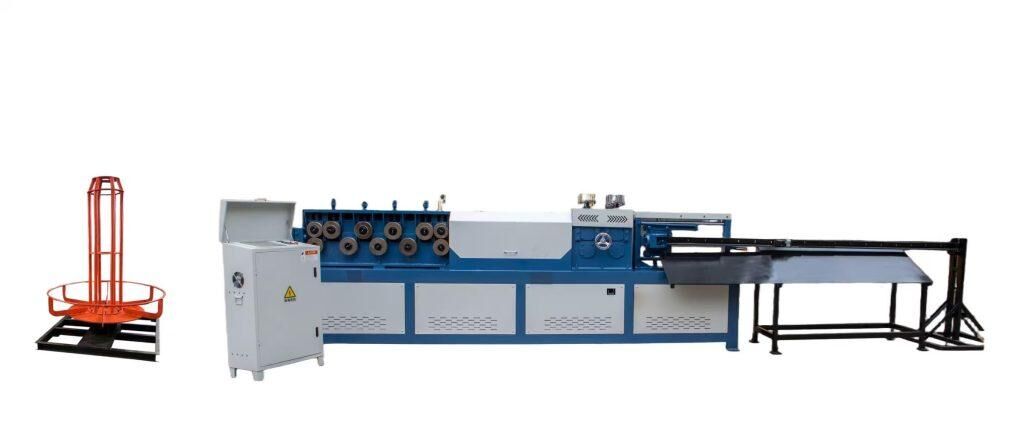
From Bent Stock to Precise Bars: Smarter Rebar Straightening for Steel Fabrication

Reinforcing steel is widely used in construction projects, including residential buildings, commercial structures, bridges, and infrastructure developments. Before reinforcement bars can be used in fabrication or construction, they may need to be straightened to meet specific processing requirements. Manual straightening can be time-consuming and difficult to manage when workshops handle large quantities of material. A rebar straightener offers a more organized solution by helping operators process reinforcing steel with improved consistency and efficiency.
As construction and fabrication businesses look for ways to improve productivity, specialized steel processing equipment has become increasingly important. Straightening machinery can help simplify repetitive tasks, reduce physical handling, and support a smoother workflow.
Understanding Rebar Straightening Equipment
A rebar straightening machine is designed to correct bends and irregularities in reinforcing steel so that the material can be prepared for subsequent processing. Depending on its design, the equipment may use rollers and controlled mechanical systems to guide the steel through the straightening process.
Straightened bars can then be measured, cut, bent, or prepared for other fabrication operations according to project requirements. This makes straightening an important stage in many reinforcement processing workflows.
Different machines are designed for different material dimensions and production demands. Businesses should always review the equipment specifications to confirm that the selected model is compatible with the steel they regularly handle.
Improving Straightness and Processing Consistency
Consistent material preparation is essential for accurate fabrication. Irregularly shaped reinforcing bars can create difficulties during measurement, cutting, bending, and installation.
Straightening equipment helps improve material consistency by guiding steel through a controlled processing path. When the machine is operated according to the manufacturer's recommendations, it can help prepare bars more uniformly for the next production stage.
This consistency is valuable for workshops handling repeated orders. Properly prepared material can make downstream operations easier to organize and reduce unnecessary adjustments during fabrication.
Saving Time in Busy Fabrication Workshops
Manual straightening often requires repeated handling and physical effort. When production volumes increase, these tasks can consume valuable time and place additional demands on workshop employees.
Using suitable machinery can simplify the process and help businesses manage larger workloads more efficiently. Operators can focus on feeding material, supervising the equipment, and checking processed bars rather than relying entirely on manual correction methods.
Potential advantages include:
-
Reduced repetitive manual straightening work.
-
More consistent preparation of reinforcing bars.
-
Improved organization of fabrication activities.
-
Better use of available labor and production time.
-
Support for continuous material processing, depending on machine configuration.
These improvements can help businesses maintain a more predictable workflow.
Supporting Cutting and Bending Operations
Straightening is often connected to other reinforcement processing activities. Before bars are cut or bent into specific shapes, they may need to be prepared to meet the required dimensions and alignment.
A well-organized production line can coordinate straightening with cutting and bending operations. This helps reduce unnecessary movement between processing stages and allows workshop teams to manage materials more effectively.
For example, reinforcement bars prepared through straightening can be transferred to cutting equipment and then processed into components for construction applications. The exact workflow depends on the workshop's machinery, production layout, and project requirements.
Reducing Material Waste and Avoiding Rework
Steel is an important construction material, and unnecessary waste can increase operating expenses. Poor material preparation may lead to inaccurate measurements, additional corrections, and rejected components.
Straightening equipment can support better material control by helping operators prepare bars more consistently before further processing. This may reduce avoidable handling problems and make it easier to organize material according to production specifications.
However, good results also depend on selecting appropriate raw materials, checking dimensions, training operators, and following suitable processing procedures. Regular quality inspections remain important throughout the fabrication process.
Choosing the Right Rebar Straightening Machine
Selecting suitable equipment requires careful consideration of production needs. Businesses should evaluate the steel diameters supported by the machine, its processing capacity, operating method, and compatibility with their existing workflow.
Other important factors include:
-
Material requirements: Confirm the types and dimensions of reinforcing steel being processed.
-
Production volume: Consider the amount of material handled during regular shifts.
-
Machine configuration: Review feeding, straightening, and output arrangements.
-
Workshop space: Ensure the equipment fits the available production area.
-
Maintenance support: Check servicing requirements and spare parts availability.
Comparing these factors helps businesses select equipment that matches their actual fabrication requirements.
The Importance of Maintenance and Operator Training
Regular maintenance helps keep straightening equipment operating reliably. Operators should inspect important components, follow manufacturer guidelines, and keep feeding and output areas free from unnecessary obstructions.
Training is equally important because workers need to understand correct material handling, operating controls, and safety procedures. Following recommended operating limits can help prevent avoidable equipment problems and support consistent production.
A clean workspace, routine inspections, and properly trained personnel all contribute to safer and more organized fabrication operations.
Building a More Efficient Reinforcement Workflow
Modern construction projects require dependable material preparation and well-managed fabrication processes. Straightening equipment can help businesses reduce repetitive manual work, improve material consistency, and prepare reinforcing steel for subsequent production stages.
For fabrication companies looking to improve their reinforcement processing capabilities, investing in a suitable rebar straightener can be a practical step toward a more efficient workshop. When supported by appropriate equipment selection, skilled operators, and regular maintenance, rebar straightening can contribute to better production organization and reliable steel fabrication.














