

Pre-Drywall Inspections in 2026: Why Every New Construction Home Needs One

Buying a newly constructed home is exciting, but a brand-new property is not automatically free from construction defects. Behind freshly finished walls are electrical wires, plumbing pipes, structural framing, insulation, and other important components that may be difficult to examine once construction is complete. That is why pre drywall inspections are an important consideration for buyers who want a closer look at their homes before the interior walls are closed.
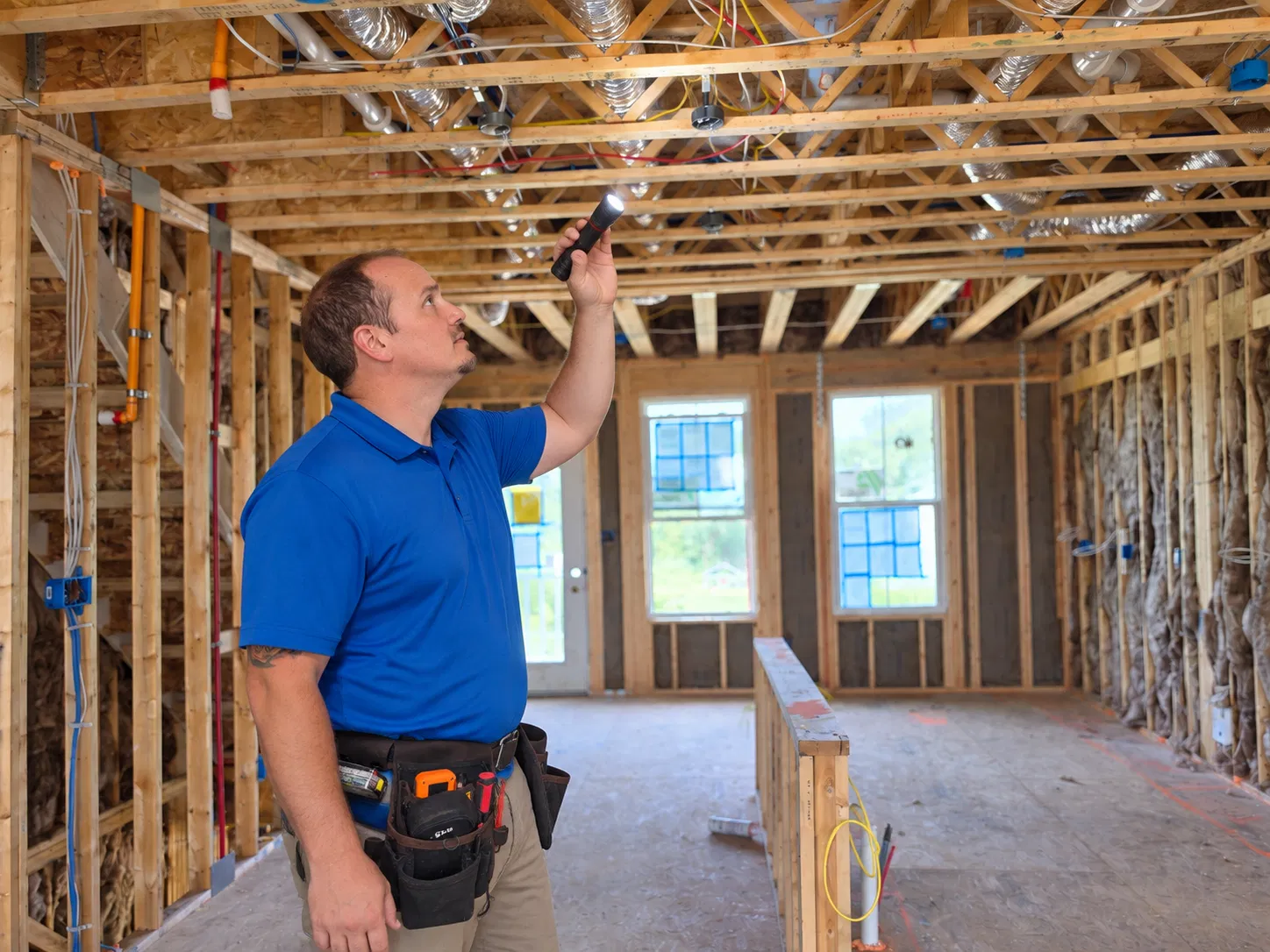
A pre-drywall inspection takes place during a specific stage of construction, after major structural and mechanical components have been installed but before drywall covers them. This gives homeowners an opportunity to identify visible concerns while important areas remain accessible. Addressing problems at this stage can help reduce the inconvenience and expense of correcting certain issues after the home is finished.
What Are Pre-Drywall Inspections?
Pre-drywall inspections are independent visual evaluations of a home during the construction process. They typically take place after the foundation, framing, roofing, windows, doors, and rough-in plumbing, electrical, and HVAC systems have been installed.
The main purpose is to identify observable concerns before insulation and drywall conceal important components. For example, an inspector may notice damaged framing, questionable pipe placement, unsecured wiring, or visible installation concerns that deserve further evaluation.
This inspection provides additional information about the property's condition at that particular stage. It does not replace municipal building inspections, guarantee code compliance, or certify that every construction detail meets the builder's plans and specifications.
Why Should You Schedule an Inspection Before Drywall Installation?
Once drywall is installed, many construction components become hidden behind walls and ceilings. Investigating a concern later may require cutting into finished surfaces, arranging additional contractors, and repairing the affected areas.
Scheduling an inspection before drywall installation offers several potential advantages.
1. Identify visible construction concerns early
Exposed framing, wiring, plumbing, and other components are easier to observe before walls are covered. An independent inspector may identify conditions that deserve correction or evaluation by the appropriate trade professional.
2. Reduce the possibility of expensive repairs
A problem identified during construction may be easier to access than the same problem discovered after move-in. Early reporting can help buyers and builders discuss corrective work before additional finishes are installed.
3. Document important construction details
Inspection photographs and written observations can create a useful record of visible components during construction. This documentation may help homeowners understand the property's condition and communicate concerns to the builder.
4. Improve buyer confidence
Purchasing a new home is a significant investment. An additional inspection provides another opportunity to review the construction and ask questions before the project reaches its next stage.
What Does a Pre-Drywall Inspection Cover?
The exact scope depends on the inspection agreement, construction stage, accessibility, and the inspector's applicable standards. Common areas reviewed during pre drywall inspections may include the following:
Structural Framing
The inspector may visually examine accessible wall studs, beams, headers, floor joists, roof trusses, connectors, bracing, and other framing components. Visible damage, questionable modifications, or concerns involving support members may be documented for further evaluation.
Electrical Wiring
Accessible electrical components may be reviewed for visible concerns involving wiring, junction boxes, cable protection, and installation conditions. Electrical systems should also receive the required inspections by the appropriate local authorities and qualified professionals.
Plumbing Systems
Before walls are closed, accessible water supply lines, drainpipes, and plumbing connections may be easier to examine. The inspection may identify visible leaks, damaged pipes, or concerns that warrant review by a licensed plumbing contractor.
HVAC Systems
The inspector may examine accessible ductwork, ventilation components, equipment connections, and visible installation conditions. Poorly supported ducts, damaged materials, or other observable concerns may be documented.
Windows, Doors, and Exterior Components
Accessible window and door installations, flashing, exterior wall coverings, and visible drainage details may also be reviewed. Properly installed exterior components help protect the home from water intrusion and weather exposure.
Fireblocking and Other Safety-Related Features
Accessible fireblocking, structural connections, and other relevant components may be examined for visible concerns. The inspector should explain any limitations and recommend further evaluation when a specialist is needed.
When Is the Best Time to Schedule a Pre-Drywall Inspection?
Timing is essential. Ideally, the inspection should take place after major framing and rough-in systems have been installed but before insulation and drywall cover the accessible areas.
Buyers should communicate with the builder early in the construction process to learn when the home will reach this stage. Some builders provide only a limited period for independent inspections before scheduling the next construction phase.
It is also important to understand that insulation can conceal certain components. Waiting until after insulation is installed may limit visibility, depending on the construction and the inspector's scope.
Before scheduling, confirm that the builder allows independent inspectors on the property, obtain permission for access, and coordinate the appointment with the construction manager.
Does a Pre-Drywall Inspection Replace a Builder or Municipal Inspection?
No. These inspections serve different purposes.
Municipal building inspections are part of the permitting and construction approval process. They are conducted by authorized officials to evaluate applicable requirements at designated stages.
An independent home inspection provides additional information for the buyer. It is generally a visual, non-invasive evaluation of accessible components and does not guarantee compliance with building codes, engineering plans, or manufacturer installation instructions.
If an inspector identifies a concern involving electrical work, plumbing, structural framing, or another specialized system, the buyer should request appropriate review by the builder, relevant contractor, building official, or qualified specialist.
Why a Final Inspection and an 11-Month Warranty Inspection Still Matter
A pre-drywall inspection is only one part of a comprehensive new-construction inspection strategy. After construction is complete, a final inspection can help identify visible issues involving finished surfaces, doors, windows, appliances, plumbing fixtures, electrical components, and other accessible systems.
Homeowners should also consider an 11-month warranty inspection before the builder's first-year warranty expires, subject to the actual warranty terms. This later inspection provides an opportunity to document concerns that may have appeared during the first year of occupancy, such as settlement-related changes, leaks, drainage concerns, or malfunctioning components.
These inspections serve different purposes and take place at different stages, helping buyers and owners evaluate the property throughout the construction and early ownership process.
Schedule New Construction Inspections With Guardian Angel Inspections
Guardian Angel Inspections Inc. is a family-owned and operated home inspection company based in Royal Palm Beach, Florida, serving Central and South Florida. The company provides inspection services to help buyers and homeowners better understand the visible condition of their properties.
For buyers building a new home, an independent inspection before drywall installation can provide valuable information while important components remain accessible. A final inspection and an 11-month warranty inspection can provide additional opportunities to identify visible concerns at later stages.
Homeowners should coordinate appointments with their builders and schedule inspections early enough to allow time for any recommended follow-up.
Conclusion
New construction does not mean every component has been installed perfectly. Pre drywall inspections give buyers an opportunity to review accessible construction elements before they disappear behind finished walls and ceilings.
From structural framing and plumbing to electrical wiring and HVAC components, an independent inspection can help identify visible concerns and document conditions before the project moves forward. Combined with a final inspection and an 11-month warranty inspection, this approach can help homeowners make more informed decisions and protect their investment in a newly built Florida home.














