

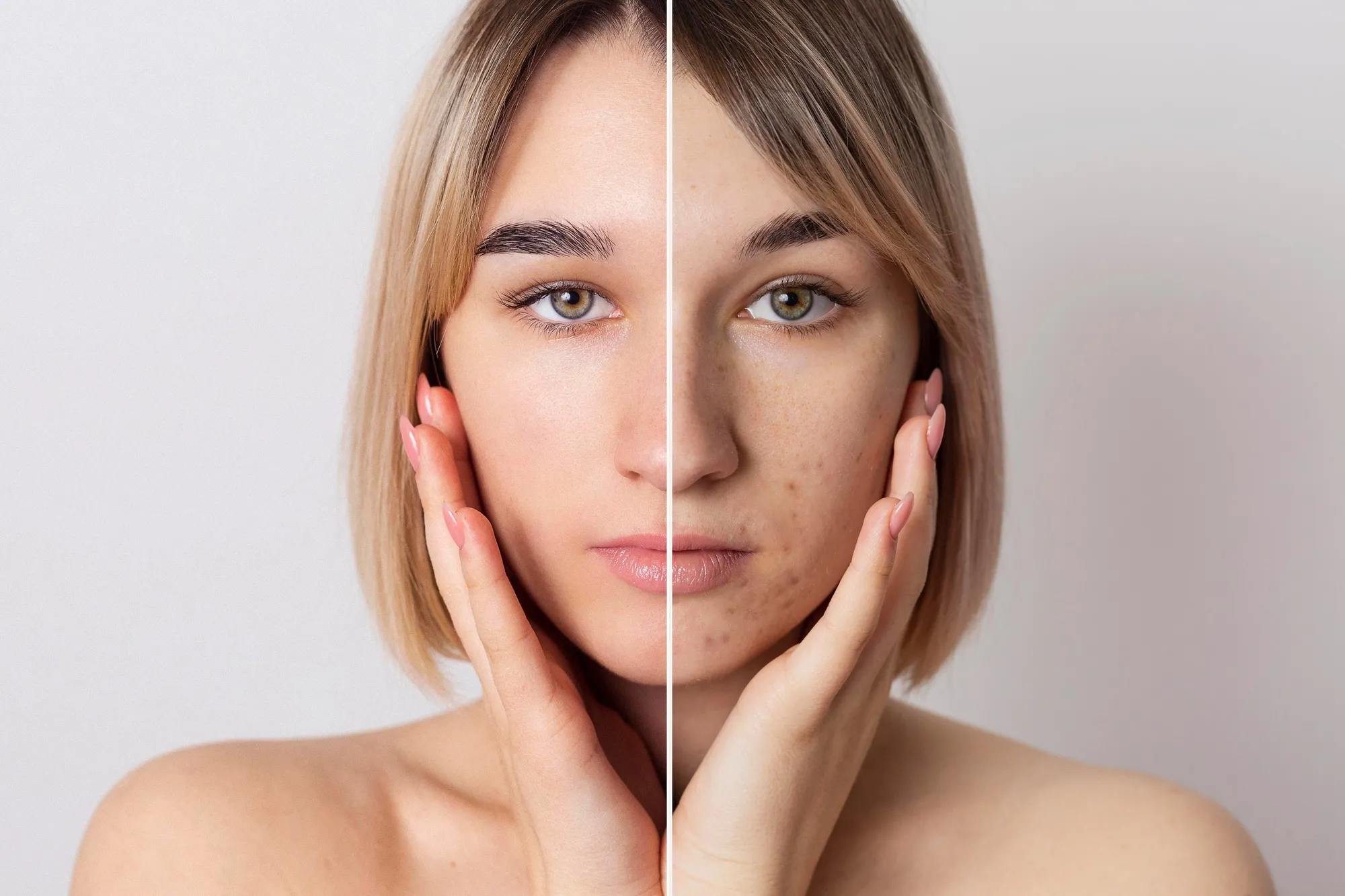
Healthy, radiant skin is often associated with an even complexion and a naturally balanced appearance. However, many people experience pigmentation concerns that can affect their skin tone and confidence. Dark spots, uneven patches, melasma, and post-acne marks are common concerns that may develop due to sun exposure, hormonal changes, inflammation, and other factors.
Pigmentation in Dubai is a popular aesthetic concern among individuals looking for effective ways to improve skin clarity and achieve a more even complexion. Environmental factors, particularly frequent sun exposure, can contribute to pigmentation concerns, making appropriate skincare and professional treatment important parts of maintaining healthy-looking skin.
At Perla Dermatology Clinic, personalized skin care focuses on understanding the underlying causes of pigmentation and identifying suitable treatment options. Rather than following a one-size-fits-all approach, treatment planning considers individual skin types, pigmentation patterns, and aesthetic goals.
Understanding Skin Pigmentation
Skin pigmentation refers to the natural coloring of the skin, which is primarily determined by a pigment called melanin. Melanin is produced by specialized cells known as melanocytes and helps provide natural protection against ultraviolet radiation.
When melanin production becomes uneven or excessive in certain areas, dark patches and spots may appear. These changes can affect different parts of the face and body.
Pigmentation may develop gradually or appear following inflammation, hormonal changes, or environmental exposure. Its appearance can range from small, isolated dark spots to larger areas of uneven skin tone.
People researching Pigmentation in Dubai often want to understand why these changes occur and which treatments may help improve their complexion.
A professional skin assessment is an important first step because different pigmentation conditions may require different treatment approaches.
Common Types of Skin Pigmentation
Pigmentation can appear in several forms. Identifying the type of pigmentation helps determine the most appropriate treatment strategy.
Melasma
Melasma is a common pigmentation condition characterized by brown or grey-brown patches, particularly on the cheeks, forehead, upper lip, and chin.
It is frequently associated with hormonal changes and sun exposure. Melasma may become more noticeable during pregnancy or when using certain hormonal medications.
Managing melasma often requires a combination of professional treatments, sun protection, and consistent skincare.
Sunspots
Sunspots, also known as solar lentigines, develop due to prolonged exposure to ultraviolet radiation. They commonly appear on areas that receive frequent sunlight, such as the face, hands, shoulders, and arms.
These spots may become more noticeable with age and often appear as flat brown or darker patches.
Post-Inflammatory Hyperpigmentation
Post-inflammatory hyperpigmentation develops after skin inflammation or injury. It may occur following acne, eczema, skin irritation, or certain cosmetic procedures.
The affected area becomes darker because inflammation can stimulate increased melanin production.
Professional treatment may help improve the appearance of these marks while supporting overall skin health.
Freckles
Freckles are small, flat, light-brown or darker spots that commonly appear on sun-exposed areas. Their visibility may increase following sun exposure.
Although freckles are often harmless, individuals sometimes seek aesthetic treatments to create a more even complexion.
Age-Related Pigmentation
As the skin experiences years of environmental exposure and natural aging, dark spots may gradually develop. These changes can contribute to an uneven appearance, particularly on the face and hands.
A dermatological assessment helps distinguish age-related pigmentation from other skin conditions.
What Causes Uneven Skin Tone?
Uneven skin tone can develop due to several internal and external factors. Understanding these causes is important for selecting an appropriate treatment approach.
Some common contributing factors include:
-
Sun Exposure: Ultraviolet radiation can stimulate melanin production and contribute to dark spots and uneven pigmentation.
-
Hormonal Changes: Changes in hormone levels may influence melanin activity and contribute to melasma.
-
Acne and Inflammation: Skin inflammation can leave dark marks even after the original concern has improved.
-
Genetic Factors: Some individuals may have a greater tendency to develop freckles or certain pigmentation patterns.
-
Skin Aging: Natural aging and accumulated environmental exposure may contribute to visible pigmentation.
-
Improper Skincare: Harsh products, excessive exfoliation, and skin irritation can sometimes worsen discoloration.
At Perla Dermatology Clinic, identifying possible contributing factors is an important part of developing a personalized pigmentation management plan.
Why Pigmentation Treatment Requires a Personalized Approach
Not all pigmentation conditions are the same. A treatment that works for sunspots may not be suitable for melasma or post-inflammatory hyperpigmentation.
Skin tone, pigmentation depth, skin sensitivity, medical history, and previous treatments can all influence treatment selection.
A personalized approach may consider:
-
The type and distribution of pigmentation.
-
The depth of discoloration within the skin.
-
Individual skin tone and sensitivity.
-
Previous acne or inflammatory conditions.
-
Hormonal and environmental influences.
-
Existing skincare routines.
-
Desired improvements and realistic expectations.
When considering Pigmentation in Dubai, individuals should understand that successful treatment involves more than simply targeting visible dark spots. Addressing contributing factors and maintaining a suitable skincare routine are also important.
Modern Pigmentation Treatment Options
Advances in dermatology have introduced several approaches for managing uneven skin tone. The appropriate option depends on the type of pigmentation, skin condition, and professional evaluation.
Topical Skin Treatments
Topical products are commonly included in pigmentation management plans. Depending on individual needs, dermatologists may recommend ingredients that support skin renewal and help regulate excess pigmentation.
Commonly used ingredients include:
-
Vitamin C.
-
Niacinamide.
-
Retinoids.
-
Azelaic acid.
-
Kojic acid.
-
Selected skin-brightening ingredients.
These ingredients work through different mechanisms. Some support skin renewal, while others help reduce the appearance of excess pigmentation.
The selection of topical products should consider skin sensitivity and the specific pigmentation concern.
Chemical Peels
Chemical peels use carefully selected exfoliating solutions to remove accumulated surface skin cells and encourage skin renewal.
Depending on their formulation and strength, chemical peels may help improve:
-
Mild pigmentation.
-
Uneven skin tone.
-
Post-acne marks.
-
Dull skin appearance.
-
Certain superficial discoloration concerns.
Different peels are designed for different skin conditions. Professional assessment helps determine the appropriate type and treatment intensity.
Laser Pigmentation Treatments
Laser treatments use specific wavelengths of light to target selected pigment deposits in the skin.
Depending on the technology and pigmentation type, laser treatments may help improve certain sunspots, dark marks, and other pigmentation concerns.
The choice of laser settings and treatment approach depends on skin tone, pigmentation depth, and individual suitability.
A professional evaluation is particularly important because some pigmentation conditions may become more noticeable following unsuitable laser treatment.
Intense Pulsed Light Treatments
Intense Pulsed Light, commonly known as IPL, uses controlled pulses of light to target selected skin concerns.
It may be considered for certain superficial pigmentation and sun-related discoloration. IPL is different from laser treatment because it uses multiple wavelengths of light rather than one specific wavelength.
Not every pigmentation type responds equally to IPL, so appropriate patient selection is important.
Microneedling
Microneedling involves creating controlled microscopic channels in the skin using specialized equipment. It is primarily used to support skin renewal and improve selected texture concerns.
In some treatment plans, microneedling may be combined with appropriate topical products to address certain pigmentation concerns.
The treatment must be selected carefully according to the individual's skin condition and pigmentation type.
Pigmentation Treatment Cost in Dubai: What Influences the Price?
Understanding treatment expenses is an important part of planning professional skin care. The Pigmentation Treatment cost in Dubai can vary depending on the treatment method, pigmentation severity, technology used, and number of sessions required.
Since pigmentation conditions differ from person to person, there is no single treatment price that applies to everyone.
Several factors may influence the overall cost.
Type of Pigmentation
Different pigmentation conditions require different treatment approaches. Melasma, sunspots, and post-inflammatory hyperpigmentation may need different products, procedures, or combinations of treatments.
Treatment Method
The cost may differ depending on whether the treatment involves topical products, chemical peels, laser procedures, IPL, or another dermatological approach.
Number of Sessions
Some pigmentation concerns may improve with a limited number of sessions, while others require a longer treatment plan.
The number of sessions depends on the pigmentation type, depth, skin response, and selected procedure.
Technology and Equipment
Advanced dermatological equipment and specialized treatment technologies may influence clinic pricing.
Practitioner Expertise
Professional experience and the ability to assess different pigmentation conditions are important considerations when selecting a treatment provider.
Personalized Treatment Planning
Some individuals may require a combination of professional procedures and home skincare products. The overall treatment plan can influence the total expense.
When researching Pigmentation Treatment cost in Dubai, individuals should consider the complete treatment approach rather than comparing individual procedure prices alone.
At Perla Dermatology Clinic, a consultation can help individuals understand their pigmentation concerns, suitable treatment options, and the factors influencing their personalized treatment cost.
How to Choose the Best Pigmentation Treatment in Dubai
Choosing an appropriate pigmentation treatment involves understanding the skin condition and selecting a suitable professional approach.
When looking for the Best Pigmentation Treatment in Dubai, individuals should consider several important factors.
Accurate Skin Assessment: A proper evaluation helps identify the type, depth, and possible causes of pigmentation.
Qualified Dermatology Professionals: Treatment should be guided by appropriately qualified medical professionals with relevant dermatological experience.
Personalized Treatment Plans: The treatment approach should reflect individual skin tone, sensitivity, pigmentation patterns, and goals.
Suitable Technology: Any laser, IPL, or other professional procedure should be selected according to the individual's skin condition.
Realistic Expectations: Pigmentation may require ongoing management, and results can vary between individuals.
Professional Aftercare: Appropriate aftercare and skincare guidance help support treatment outcomes and maintain skin quality.
Perla Dermatology Clinic emphasizes personalized skin care and treatment planning to help individuals explore suitable options for improving uneven skin tone.
What to Expect During a Pigmentation Consultation
A professional consultation helps establish the cause of pigmentation and identify appropriate treatment options.
During the consultation, the dermatologist may evaluate the skin's appearance, medical history, previous skincare treatments, and individual concerns.
The process generally includes the following steps.
Discussion of Skin Concerns: The individual explains when pigmentation developed, which areas are affected, and whether the discoloration has changed over time.
Skin Examination: The dermatologist examines pigmentation patterns, skin tone, texture, and sensitivity.
Identification of Contributing Factors: Possible influences such as sun exposure, hormonal changes, acne, and inflammation may be discussed.
Treatment Recommendations: Suitable options are explained according to the type and severity of pigmentation.
Skincare Guidance: A personalized routine may be recommended to support treatment and maintain skin health.
This consultation-based approach helps ensure that treatment decisions are based on individual skin needs.
How Long Does Pigmentation Treatment Take?
The duration of pigmentation treatment depends on the type of discoloration, its depth, the selected procedure, and individual skin response.
Some superficial pigmentation concerns may show improvement after a few treatment sessions. Other conditions, particularly melasma, may require longer-term management.
Treatment progress may depend on:
-
The original pigmentation condition.
-
The depth of excess melanin.
-
The selected treatment method.
-
Individual skin characteristics.
-
Consistency with prescribed skincare.
-
Ongoing exposure to contributing factors.
It is important to understand that pigmentation does not always disappear completely. The goal is often to reduce visible discoloration and achieve a more balanced complexion.
The Importance of Sun Protection in Pigmentation Management
Sun protection plays an important role in maintaining an even skin tone. Ultraviolet radiation can stimulate melanin production and contribute to the development or recurrence of pigmentation.
Even after professional treatment, continued sun exposure may affect results.
A consistent sun-protection routine may include:
-
Applying broad-spectrum sunscreen with SPF 30 or higher.
-
Reapplying sunscreen as recommended, particularly during extended outdoor exposure.
-
Wearing protective clothing and hats.
-
Seeking shade during periods of intense sunlight.
-
Following a dermatologist-recommended skincare routine.
For individuals concerned about Pigmentation in Dubai, sun protection is particularly relevant because frequent exposure to strong sunlight can contribute to uneven skin tone.
How to Maintain Results After Pigmentation Treatment
Maintaining an even complexion requires consistency. Professional treatments can help improve existing pigmentation, but ongoing skincare and sun protection remain important.
A suitable maintenance routine may include:
Gentle Cleansing: Use products that clean the skin without causing unnecessary irritation.
Daily Moisturizing: Maintain skin hydration with products suited to individual skin type.
Sun Protection: Apply sunscreen regularly to help prevent new pigmentation and recurrence.
Appropriate Active Ingredients: Use dermatologist-recommended ingredients according to skin sensitivity and treatment goals.
Avoid Excessive Exfoliation: Overusing exfoliating products may irritate the skin and contribute to additional discoloration.
Professional Follow-Ups: Attend recommended appointments to monitor skin response and adjust the treatment plan when necessary.
At Perla Dermatology Clinic, personalized skincare guidance helps individuals understand how to maintain improvements following professional pigmentation treatments.
Who May Benefit From Pigmentation Treatments?
Pigmentation treatments may be considered by adults experiencing different forms of uneven skin tone.
Individuals who may benefit from a professional assessment include those who:
-
Have dark spots caused by sun exposure.
-
Experience melasma or hormonal pigmentation.
-
Notice dark marks after acne.
-
Have uneven skin tone or superficial discoloration.
-
Want to improve the appearance of age-related spots.
-
Prefer a personalized approach to skin rejuvenation.
However, the appropriate treatment depends on the individual's skin condition and medical history. Some pigmentation conditions require specific management, and not every procedure is suitable for every skin type.
A qualified dermatologist can help determine which treatment options are appropriate.
Common Myths About Skin Pigmentation
Misunderstandings about pigmentation can lead to unrealistic expectations and unsuitable skincare choices.
Myth 1: All Pigmentation Is the Same
Pigmentation can develop due to several different causes. Melasma, sunspots, and post-inflammatory hyperpigmentation have different characteristics and may require different treatment approaches.
Myth 2: Pigmentation Can Always Be Removed Completely
Some pigmentation conditions can be improved significantly, but complete removal is not always possible. Certain concerns, particularly melasma, may require ongoing management.
Myth 3: Only Mature Skin Develops Pigmentation
Pigmentation can affect adults of different ages. Acne marks, hormonal changes, and sun exposure can contribute to discoloration even in younger individuals.
Myth 4: Home Remedies Always Improve Dark Spots
Some home remedies may irritate the skin and worsen pigmentation. Professional guidance is important when selecting suitable skincare ingredients.
Myth 5: One Treatment Works for Every Skin Type
Skin tone, sensitivity, pigmentation depth, and underlying causes all influence treatment selection. Personalized assessment is essential for choosing an appropriate option.
Why Choose Perla Dermatology Clinic for Pigmentation Treatment?
Managing uneven skin tone requires a thoughtful approach that considers both the visible pigmentation and the factors contributing to it.
Perla Dermatology Clinic focuses on personalized dermatological and aesthetic care, helping individuals understand their skin concerns and explore suitable treatment options.
The approach emphasizes:
-
Individual skin assessment.
-
Understanding different pigmentation conditions.
-
Personalized treatment recommendations.
-
Appropriate selection of dermatological procedures.
-
Guidance on skincare and sun protection.
-
Ongoing attention to skin quality and complexion.
For individuals researching Pigmentation in Dubai, a personalized consultation can help clarify the available options and establish realistic expectations.
The focus is on improving skin clarity and supporting a more even complexion while respecting individual skin characteristics.
Frequently Asked Questions About Pigmentation in Dubai
What Is the Most Common Cause of Skin Pigmentation?
Sun exposure, hormonal changes, acne-related inflammation, and natural skin aging are among the common contributing factors. The exact cause depends on the individual's pigmentation pattern and medical history.
Can Pigmentation Be Treated With Laser?
Certain types of pigmentation may respond to laser treatments. However, the suitability of laser technology depends on pigmentation depth, skin tone, and the underlying condition.
How Many Sessions Are Needed for Pigmentation Treatment?
The number of sessions varies according to the pigmentation type, treatment method, and individual skin response. A dermatologist can recommend an appropriate treatment schedule.
What Is the Pigmentation Treatment Cost in Dubai?
The Pigmentation Treatment cost in Dubai depends on the procedure, equipment, number of sessions, and individual treatment requirements. A consultation helps establish a more accurate estimate.
How Can I Find the Best Pigmentation Treatment in Dubai?
Finding the Best Pigmentation Treatment in Dubai involves choosing qualified dermatology professionals, receiving an accurate skin assessment, and selecting a personalized treatment plan.
Can Acne Marks Be Treated as Pigmentation?
Yes. Dark marks left after acne are often a form of post-inflammatory hyperpigmentation. Suitable topical treatments and selected professional procedures may help improve their appearance.
Does Pigmentation Return After Treatment?
Pigmentation may return, particularly when contributing factors such as sun exposure or hormonal influences remain present. Consistent skincare and sun protection help support long-term management.
Conclusion
Uneven skin tone and pigmentation can affect the appearance of the complexion, but modern dermatology offers several approaches for managing these concerns. From topical treatments and chemical peels to laser procedures and other professional options, treatment can be tailored according to the type of pigmentation and individual skin characteristics.
Understanding the underlying cause is an important first step toward selecting an appropriate solution. Individuals researching Pigmentation in Dubai should consider professional skin assessment, personalized treatment planning, and consistent sun protection as part of their skincare journey.
It is equally important to understand the Pigmentation Treatment cost in Dubai and compare treatment options based on their suitability rather than price alone. When exploring the Best Pigmentation Treatment in Dubai, choosing qualified professionals and an individualized approach can make the treatment journey more informed.
Perla Dermatology Clinic focuses on personalized skin care, helping individuals explore modern pigmentation solutions and work toward a clearer, more balanced, and naturally radiant complexion.














