

Failed 4 Point Inspection: Common Reasons and How Florida Homeowners Can Fix Them in 2026
Receiving an unfavorable inspection report can be stressful, especially when you are trying to obtain or renew homeowners insurance. In Florida, insurance companies often request a four-point inspection to evaluate the condition of a property's roof, electrical, plumbing, and heating and cooling systems. If one or more of these areas raises concerns, homeowners may face additional documentation requests, repair requirements, or difficulty securing coverage.
However, an unfavorable report does not necessarily mean that a property is uninsurable or that every major system needs replacement. In many situations, identifying the specific concerns and arranging appropriate repairs can help homeowners understand their options.
Understanding why a failed 4 point inspection occurs is the first step toward addressing problems, improving property maintenance, and preparing for another evaluation if required.
What Does a Four-Point Inspection Evaluate?
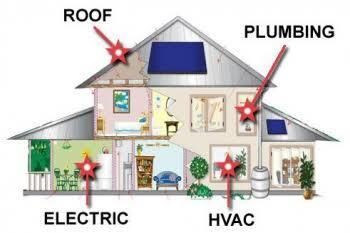
A four-point inspection is a limited assessment that focuses on four major systems rather than examining every component of a home. Insurance companies use the findings to better understand potential property risks.
The four primary areas include:
-
Roofing: Roof covering, visible damage, leaks, and general condition.
-
Electrical: Electrical panels, wiring, visible connections, and potential safety concerns.
-
Plumbing: Accessible pipes, plumbing materials, fixtures, water heaters, and visible leaks.
-
HVAC: Heating and cooling equipment, general operation, and visible condition.
The inspection requirements can vary between insurance providers. Some companies may have specific guidelines concerning roof age, electrical components, plumbing materials, or HVAC functionality. Homeowners should confirm their insurer's requirements before arranging repairs or scheduling another inspection.
1. Roofing Problems and Signs of Water Damage
Roof condition is one of the most important considerations for Florida properties. Intense sunlight, heavy rainfall, high humidity, and tropical storms can contribute to deterioration over time.
Common concerns include missing shingles, damaged roof coverings, deteriorating flashing, visible leaks, and signs of previous water intrusion.
An older roof may also receive additional attention from an insurance company, although age alone does not determine whether it will be accepted. The roof's material, current condition, installation history, and insurer requirements may all influence the decision.
How to address the problem: Arrange an evaluation by a qualified roofing contractor. Complete necessary repairs and retain invoices, permits, photographs, and replacement documentation. If the roof has experienced leakage, investigate possible interior moisture damage as well.
2. Outdated or Unsafe Electrical Components
Electrical problems can create significant safety concerns and may affect an insurer's willingness to provide coverage.
Examples include outdated wiring, damaged electrical panels, improper modifications, exposed conductors, and visible signs of overheating. Certain electrical panel brands or wiring configurations may receive additional scrutiny under an insurer's underwriting guidelines.
How to address the problem: Have a licensed electrician evaluate suspected deficiencies. Depending on the findings, repairs may involve replacing damaged components, correcting improper connections, or upgrading equipment. Keep documentation showing the work completed.
Homeowners should never attempt to repair electrical panels or modify wiring without appropriate professional qualifications.
3. Plumbing Leaks and Aging Pipes
Water-related damage can become expensive when leaks remain unnoticed. Plumbing concerns may involve corroded pipes, deteriorating connections, damaged supply lines, leaking fixtures, and water heater problems.
Older plumbing materials may also raise questions depending on the insurance company's requirements and the property's specific circumstances.
How to address the problem: Check accessible areas beneath sinks, around toilets, near water heaters, and along visible plumbing connections. Arrange professional repairs for leaks, corrosion, or damaged components. If the property has older plumbing materials, consult a licensed plumber about their condition and whether replacement is appropriate.
Keep repair invoices and records of any plumbing upgrades.
4. HVAC System Problems
Heating and cooling equipment plays an important role in maintaining a comfortable indoor environment. In Florida, air conditioning is especially important because of high temperatures and humidity.
An HVAC system may raise concerns if it does not operate properly, has visible drainage problems, makes unusual noises, or shows signs of poor maintenance.
How to address the problem: Replace dirty air filters, keep accessible equipment areas clear, and schedule professional servicing when performance problems occur. A qualified HVAC technician can evaluate drainage, airflow, equipment operation, and other technical concerns.
Documentation of completed maintenance or repairs may also be useful during the insurance review.
Other Reasons an Inspection Report May Raise Concerns
Not every issue involves a major system failure. Sometimes, incomplete documentation or limited access can complicate the inspection process.
Other possible concerns include:
-
Missing records showing the roof's installation date.
-
Unavailable permits for previous electrical or plumbing upgrades.
-
Evidence of unresolved water intrusion.
-
Inaccessible electrical panels or utility equipment.
-
Visible deterioration around HVAC components.
-
Previous repairs without supporting documentation.
-
Conditions requiring additional evaluation by a specialist.
Homeowners should understand the difference between an actual defect, an inspector's recommendation, and an insurance company's underwriting requirement. These are not always the same thing.
What Should You Do After an Unfavorable Inspection?
If your report identifies problems, avoid making assumptions about the insurance outcome. Instead, review the findings and establish a practical action plan.
Step 1: Read the complete report. Identify the specific components that require attention and note any recommended follow-up evaluations.
Step 2: Contact your insurance agent. Ask which findings affect the coverage decision and whether the insurer requires specific repairs, documentation, or a particular inspection form.
Step 3: Hire qualified contractors. Obtain professional evaluations for roofing, electrical, plumbing, or HVAC concerns.
Step 4: Keep detailed records. Save invoices, permits, photographs, and contractor reports associated with completed work.
Step 5: Arrange additional documentation if required. Your insurer may request an updated inspection or supporting evidence before reconsidering the property's eligibility.
Taking these steps can help homeowners address concerns systematically instead of spending money on unnecessary upgrades.
How Can Florida Homeowners Prepare for a Future Inspection?
Preventive maintenance can reduce the likelihood of unexpected findings. Homeowners should regularly monitor roof conditions, repair plumbing leaks promptly, maintain HVAC equipment, and address electrical safety concerns.
It is also helpful to maintain a property maintenance folder containing installation dates, repair invoices, permits, and previous inspection reports.
Florida homeowners should pay particular attention to moisture management. Heavy rain, roof leaks, plumbing failures, and inadequate drainage can contribute to problems that affect multiple areas of a property.
A professional evaluation before an insurance deadline may help identify visible concerns early enough to arrange appropriate follow-up work.
Protect Your Home and Prepare for Better Decisions
A failed 4 point inspection can create uncertainty, but it also provides an opportunity to understand which parts of a property need attention. By addressing roof damage, electrical safety concerns, plumbing deficiencies, and HVAC problems, homeowners can take practical steps toward improving their property's condition.
Full Circle Home Inspectors provides professional inspection services for homeowners who want a clearer understanding of their property's visible condition. If you are preparing for an insurance-related evaluation in Central Florida, visit Full Circle Home Inspectors to learn more about available inspection services.
The most effective approach is to understand the inspection findings, consult qualified professionals, maintain accurate repair records, and communicate with your insurance provider before making decisions about coverage.