

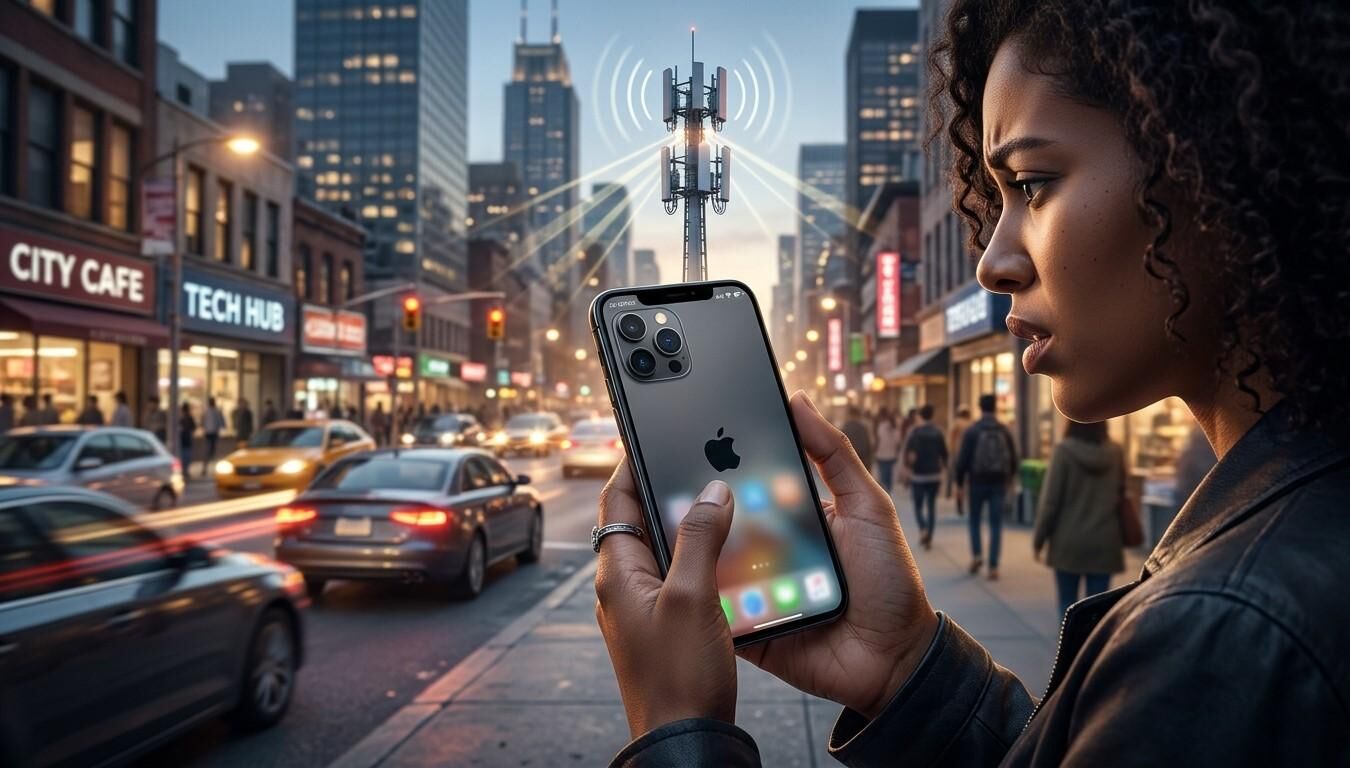
Why Does Your iPhone Keep Losing Its Cellular Signal Even in Areas With Good Coverage?

Does your iPhone frequently lose its cellular signal even when other phones nearby have full bars? Unexpected signal drops can interrupt calls, messages, mobile data, and everyday communication. This issue may be caused by SIM card problems, incorrect network settings, outdated software, carrier interruptions, or internal hardware damage. If troubleshooting does not solve the problem, professional iPhone Repair Brooklyn services from Avenue D Cellular may help identify the cause. Visit iphonerepairbrooklyn.com to explore repair options and learn how iPhone Repair Brooklyn NY services can help restore your device's connectivity.
Table of Contents
-
Common Signs of Cellular Signal Problems
-
Why Does Your iPhone Keep Losing Signal?
-
Troubleshooting Steps to Try
-
When Should You Seek Professional Repair?
-
Frequently Asked Questions
1. Common Signs of Cellular Signal Problems
Cellular connectivity issues can appear in different ways, including:
-
Your iPhone repeatedly switches to No Service or SOS.
-
Calls drop unexpectedly, even in familiar locations.
-
Mobile data disconnects while traveling or staying in one area.
-
Signal bars fluctuate without an obvious reason.
-
Text messages take too long to send.
-
Your iPhone struggles to reconnect after losing its signal.
These symptoms can point to a network issue, SIM problem, software glitch, or hardware fault.
2. Why Does Your iPhone Keep Losing Signal?
Several factors can interfere with your iPhone's cellular connection.
Damaged or Improperly Inserted SIM Card
A damaged, dirty, or incorrectly positioned physical SIM card may cause intermittent connectivity. If your carrier supports eSIM, checking its activation status may also help.
Incorrect Network Settings
Network configuration problems can prevent your iPhone from connecting reliably. Changes to network settings or an unsuccessful configuration update may contribute to signal interruptions.
Outdated iOS or Carrier Settings
Older software or carrier settings can sometimes create compatibility issues. Installing available updates may improve network performance.
Carrier or Network Problems
Temporary carrier outages, account restrictions, local tower congestion, or coverage interruptions can cause signal loss. Good general coverage does not guarantee a consistently strong connection at every location.
Physical or Internal Hardware Damage
A drop, liquid exposure, or damaged internal antenna connection may affect cellular reception. If signal problems started after physical damage, a professional inspection is recommended.
3. Troubleshooting Steps to Try
Before arranging a repair, try these simple checks:
-
Toggle Airplane Mode: Turn it on for about 15 seconds, then turn it off to refresh the connection.
-
Restart Your iPhone: A restart can resolve temporary software or network glitches.
-
Check Your SIM: If you use a physical SIM, make sure it is properly seated and inspect it for visible damage.
-
Check for Updates: Open Settings and install available iOS and carrier settings updates.
-
Review Cellular Settings: Confirm that your cellular line is enabled and the correct line is selected if you use multiple SIMs.
-
Reset Network Settings: If necessary, go to Settings, General, Transfer or Reset iPhone, Reset, and select Reset Network Settings. This removes saved Wi-Fi networks and passwords, along with other network settings.
If the problem continues, contact your carrier to check for outages, account issues, or SIM-related problems.
4. When Should You Seek Professional Repair?
Consider professional diagnosis if your iPhone continues losing signal after basic troubleshooting, especially if the issue began after a drop or liquid exposure.
A technician can inspect the antenna connections, SIM-related components, internal connectors, and other hardware that may affect cellular reception. The goal is to identify the actual fault before recommending a repair.
Avenue D Cellular helps customers explore iPhone repair options in Brooklyn, including diagnosis of common hardware problems that may affect connectivity.
5. Frequently Asked Questions
Why does my iPhone show No Service in a strong coverage area?
Possible causes include SIM problems, carrier issues, incorrect settings, outdated software, or damaged antenna components.
Can a software update fix iPhone signal problems?
Yes, if the issue is related to an iOS or carrier settings problem. However, software updates cannot repair damaged hardware.
Can a damaged antenna cause weak cellular reception?
Yes. A damaged antenna or loose internal connection can interfere with signal reception and cause repeated disconnections.
Should I replace my SIM card if my signal keeps dropping?
A replacement SIM may help if the existing card is damaged or faulty. Ask your carrier to test it first.
Does resetting network settings delete my photos?
No. It does not remove photos, videos, or apps, but it does erase saved Wi-Fi networks and passwords and resets other network settings.
Conclusion
An iPhone that repeatedly loses its cellular signal may have a SIM card issue, incorrect network configuration, carrier-related problem, outdated software, or internal hardware damage. Start with basic troubleshooting and contact your carrier if needed. If the problem persists, professional iPhone Repair Brooklyn services can help identify the underlying cause. Visit iphonerepairbrooklyn.com to explore available solutions from Avenue D Cellular and learn more about dependable iPhone Repair Brooklyn NY repair options.
Call to Action
Are you tired of dropped calls, weak reception, or repeated No Service alerts? Contact Avenue D Cellular to ask about iPhone diagnostics and repair options in Brooklyn, NY. Get your signal problem checked and find the right solution for your device.