

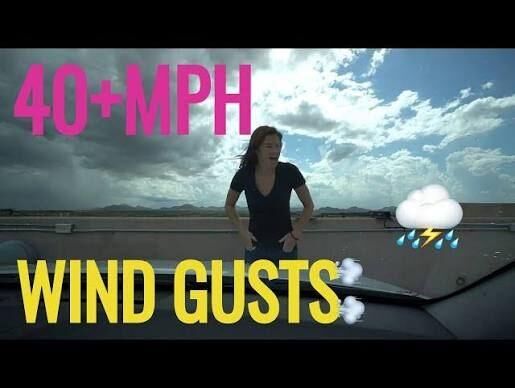
Are 40 MPH Wind Gusts Dangerous? A 2026 Guide to Home and Roof Safety

Strong winds can develop quickly during thunderstorms, passing cold fronts, tropical weather, and seasonal storms. Even when the forecast does not mention a hurricane or severe weather warning, sudden gusts can move outdoor furniture, break tree branches, damage roof components, and create dangerous conditions for drivers. This leads many homeowners to ask: are 40 mph wind gusts dangerous, and should they be concerned about their property's safety?
The answer depends on several factors, including how long the wind lasts, the condition of the home, nearby trees, surrounding structures, and whether rain or thunderstorms accompany the gusts. Although 40 mph gusts are not necessarily destructive to every building, they are strong enough to deserve attention and basic safety precautions.
Are 40 MPH Wind Gusts Dangerous?
Yes, 40 mph wind gusts can be dangerous, particularly when they occur suddenly or affect areas with older trees, loose outdoor objects, or vulnerable structures. At this speed, wind can move lightweight objects, sway tree branches, make walking difficult, and create challenging driving conditions.
The National Weather Service identifies sustained winds of 40–50 mph as a range where isolated wind damage is possible. However, a brief 40 mph gust is not the same as sustained 40 mph wind. Gusts are short bursts of stronger wind, while sustained wind describes the average speed over a longer observation period.
When evaluating whether 40 mph wind gusts are dangerous, homeowners should consider the entire weather situation rather than focusing on one number. Repeated gusts, wet ground, deteriorating trees, and thunderstorms can increase the risk of damage and injury.
What Can 40 MPH Wind Gusts Do to a House?
A properly maintained home may withstand occasional 40 mph gusts without significant structural damage. However, wind can expose existing weaknesses, especially around roofing materials, exterior fixtures, windows, and landscaping.
Here are some potential effects:
1. Move or damage outdoor furniture
Patio chairs, lightweight tables, umbrellas, garbage cans, and decorations can shift or blow over. These objects may strike windows, vehicles, fences, or people.
2. Break tree branches
Weak, dead, or damaged branches may break during strong gusts. Falling branches can damage roofs, gutters, vehicles, fences, and power lines.
3. Affect roof components
Loose shingles, deteriorated flashing, damaged soffits, and unsecured roofing materials may become more vulnerable during gusty conditions. Wind can also expose existing installation or maintenance problems.
4. Damage fences and exterior structures
Loose fence panels, aging sheds, weak gates, and poorly secured awnings may move or sustain damage when exposed to repeated wind pressure.
5. Create problems around windows and doors
Loose shutters, damaged screens, and poorly secured exterior components may rattle or become displaced. Existing gaps can also allow wind-driven rain to enter the home.
Can 40 MPH Wind Gusts Damage Your Roof?
Roof damage depends on the roof's age, materials, installation quality, maintenance history, and exposure to wind. A newer, properly installed roof may handle occasional gusts without visible problems, while an older roof with loose shingles or deteriorated flashing may be more vulnerable.
After a windy day, homeowners should look for warning signs such as:
-
Shingles or roofing pieces in the yard
-
Loose or damaged gutters
-
Bent or displaced flashing
-
Damaged soffits or fascia
-
Water stains appearing on ceilings
-
New leaks around windows or roof penetrations
Do not climb onto a roof to inspect it during or immediately after strong winds. Wait until conditions are safe and use a qualified roofing professional when closer evaluation is needed.
A professional home inspection can also help identify visible roof concerns and maintenance issues. However, a standard inspection is visual and non-invasive; it does not guarantee the discovery of concealed damage.
Are 40 MPH Wind Gusts Dangerous for Driving?
Yes. Wind gusts around 40 mph can make driving more difficult, especially for vehicles with large side profiles. Vans, trucks, trailers, recreational vehicles, and vehicles carrying roof cargo may be more affected by sudden crosswinds.
Strong gusts can also push debris onto roads, move tree branches, and reduce visibility when blowing dust or sand is present.
Drivers should take these precautions:
-
Reduce speed and leave additional following distance.
-
Keep both hands on the steering wheel.
-
Be especially careful when passing large vehicles.
-
Avoid driving through areas with fallen branches or power lines.
-
Delay unnecessary travel if conditions become difficult.
-
Follow local weather alerts and road closure instructions.
Motorcyclists and drivers towing trailers should use extra caution because sudden crosswinds can make controlling a vehicle more difficult.
How Should Homeowners Prepare for 40 MPH Wind Gusts?
Preparing before strong winds arrive can help prevent avoidable property damage and injuries.
Secure outdoor items: Bring patio furniture, umbrellas, decorations, toys, and lightweight equipment indoors. Secure garbage cans and other items that cannot be moved.
Inspect trees: Look for dead branches, damaged limbs, and trees leaning toward the house. Arrange professional tree maintenance when needed, and never attempt to trim branches near power lines yourself.
Check gutters and exterior fixtures: Loose gutters, shutters, gates, and awnings may become hazards during windy weather. Have damaged components repaired before the next storm.
Close windows and doors: Make sure exterior doors and windows are properly secured. Use approved storm protection when local weather conditions require it.
Prepare for power interruptions: Charge phones, keep flashlights accessible, and review your household emergency plan.
Stay indoors during strong gusts: Keep away from windows if conditions worsen. If an official warning is issued, follow instructions from local emergency management and seek shelter in a sturdy building.
Why Florida Homeowners Should Pay Attention to Wind Conditions
Florida properties regularly experience thunderstorms, tropical weather, and seasonal wind events. Even moderate wind gusts can expose maintenance issues that may have gone unnoticed during calm weather.
Homeowners should pay particular attention to roof coverings, roof-to-wall connections, exterior openings, garage doors, soffits, and surrounding trees. These components can influence how well a building performs during wind events.
A wind mitigation inspection can document certain construction features that insurers may consider when evaluating eligibility for applicable windstorm insurance credits. The inspection may review roof shape, roof covering, roof deck attachment, roof-to-wall connections, and opening protection.
Guardian Angel Inspections Inc. is a family-owned and operated home inspection company based in Royal Palm Beach, Florida, serving Central and South Florida. Professional inspection services can help homeowners understand visible property conditions and identify maintenance concerns before the next storm arrives.
Conclusion
So, are 40 mph wind gusts dangerous? They can be. Although they do not automatically mean a home will experience serious structural damage, gusts at this speed can move unsecured objects, break weak branches, affect driving, and expose existing problems with roofs and exterior components.
Homeowners should secure outdoor belongings, monitor weather alerts, maintain trees, and address property repairs before strong winds arrive. Taking these precautions can reduce avoidable risks and help protect your home, family, and belongings throughout Florida's storm season.














