

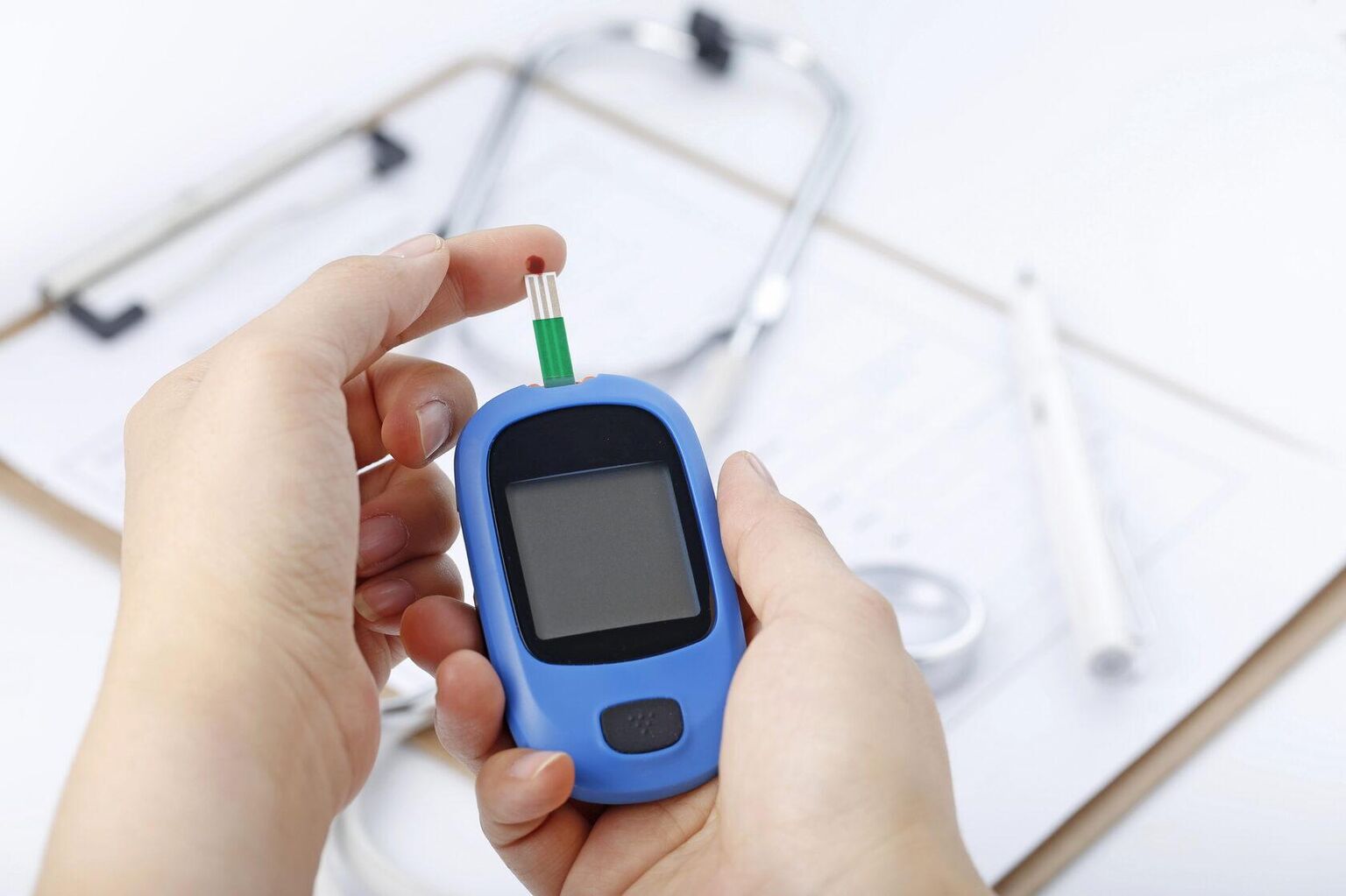

Knowing when to take a blood sugar test is just as important as understanding your glucose levels. Blood sugar naturally changes throughout the day depending on what you eat, how physically active you are, your sleep quality, stress levels, and medications. As a result, checking your glucose at the right time can provide more meaningful information about how your body manages sugar.
Whether you are monitoring diabetes, checking for prediabetes, or simply keeping track of your health, choosing the correct testing time can help you understand your Blood Sugar Test Dubai patterns and make better healthcare decisions.
For some people, testing first thing in the morning before breakfast is most useful. Others may need to check their blood sugar before meals, after eating, at bedtime, or at specific intervals recommended by their healthcare provider.
The Best Time to Check Blood Sugar Depends on Your Health Goals:
There is no single testing time that works for everyone. The ideal time depends on whether you are undergoing diabetes screening, managing an existing condition, evaluating how meals affect glucose, or checking for possible low blood sugar.
Here is a quick overview of common testing times and their purposes:
| Testing Time | Main Purpose |
|---|---|
| Early morning before breakfast | Measures fasting blood glucose |
| Before meals | Evaluates glucose levels before eating |
| Two hours after meals | Checks post-meal glucose response |
| Before bedtime | Helps assess overnight glucose safety |
| During symptoms | Identifies possible high or low blood sugar |
| Before and after exercise | Evaluates the effect of physical activity |
Understanding these testing windows can help you choose an appropriate schedule with your healthcare professional.
Morning Testing: Why Checking Blood Sugar After Waking Up Matters
For many people, the morning is one of the most useful times to measure blood glucose, especially when a fasting blood sugar test is required.
A fasting blood glucose test is generally performed after avoiding food and caloric beverages for at least eight hours. Plain water is usually permitted.
Because you have not recently eaten, this test helps healthcare professionals understand how your body regulates glucose without the immediate influence of a meal.
What Is a Normal Fasting Blood Sugar Level?
For nonpregnant adults, the standard fasting blood glucose ranges used for diabetes diagnosis are:
-
Below 100 mg/dL: Normal.
-
100–125 mg/dL: Prediabetes.
-
126 mg/dL or higher: Diabetes range.
A result in the diabetes range generally requires confirmation through repeat testing unless there is clear clinical evidence of diabetes.
Why Can Morning Blood Sugar Be High?
Some people notice that their glucose readings are higher in the morning, even when they have not eaten overnight.
One possible explanation is the dawn phenomenon. During the early morning hours, hormones such as cortisol and growth hormone increase to help the body prepare for waking up. These hormonal changes can stimulate the liver to release glucose into the bloodstream.
People with diabetes may experience a noticeable rise because their bodies cannot regulate this glucose increase effectively.
Morning blood sugar can also be influenced by late-night meals, medication timing, illness, and overall diabetes management.
Before Meals: The Right Time to Understand Your Baseline Glucose
Checking blood sugar before eating is commonly recommended for people who use insulin or certain diabetes medications.
A pre-meal glucose reading provides information about your blood sugar before carbohydrates from food begin entering your bloodstream.
This measurement can help you and your healthcare provider understand whether your glucose levels are within your personalized target range throughout the day.
For many nonpregnant adults with diabetes, the American Diabetes Association commonly recommends a pre-meal target of 80–130 mg/dL, although individual targets may differ.
When Should You Check Before Eating?
Depending on your treatment plan, you may be asked to check:
-
Before breakfast.
-
Before lunch.
-
Before dinner.
-
Before taking certain mealtime medications or insulin.
These readings can be particularly helpful when adjusting diabetes treatment under medical supervision.
However, people without diabetes do not generally need to check blood sugar before every meal.
After Eating: When Should You Measure Post-Meal Blood Sugar?
Blood glucose naturally increases after eating because carbohydrates are broken down into glucose and absorbed into the bloodstream.
A postprandial blood sugar test measures glucose after a meal to evaluate how your body responds to food.
The commonly used testing time is two hours after the beginning of a meal.
For example, if you start eating breakfast at 8:00 AM, your post-meal glucose measurement would generally be taken at 10:00 AM.
What Is a Normal Blood Sugar Level Two Hours After Eating?
For diabetes diagnosis, a two-hour oral glucose tolerance test uses the following ranges in nonpregnant adults:
| Blood Glucose Result | Interpretation |
|---|---|
| Below 140 mg/dL | Normal |
| 140–199 mg/dL | Prediabetes |
| 200 mg/dL or higher | Diabetes range |
These values apply specifically to the standardized oral glucose tolerance test, not every ordinary meal.
For many nonpregnant adults who already have diabetes, a common treatment target is below 180 mg/dL one to two hours after the beginning of a meal.
Your personal target may differ depending on your age, medical conditions, medications, and risk of hypoglycemia.
Why Is Post-Meal Testing Important?
Post-meal glucose monitoring can help identify:
-
Meals that cause significant blood sugar spikes.
-
The effects of carbohydrate intake.
-
Changes in glucose regulation.
-
Whether prescribed treatment is working effectively.
It can also help people understand how portion sizes, food combinations, and physical activity influence their blood sugar.
Evening and Bedtime Testing: Keeping Overnight Glucose Under Control
Bedtime blood glucose monitoring may be recommended for people using insulin or medications that can cause low blood sugar.
Checking before sleep can help identify whether glucose levels are too high or too low before the overnight fasting period begins.
This is particularly important for individuals who have experienced nighttime hypoglycemia, exercise intensely in the evening, or have recently changed their diabetes treatment.
A bedtime reading can also provide useful information when investigating unexplained morning glucose changes.
However, bedtime testing is not necessary for everyone. Your healthcare provider can determine whether it is appropriate for your treatment plan.
When Should You Check Blood Sugar During Exercise?
Physical activity plays an important role in glucose management because working muscles use glucose for energy.
However, exercise can affect blood sugar differently depending on its intensity, duration, timing, and your medication.
If you use insulin or medicines that can cause hypoglycemia, your healthcare provider may recommend checking glucose before and after exercise.
You may also need additional monitoring during prolonged physical activity.
Watch for symptoms such as:
-
Shaking or trembling.
-
Sudden sweating.
-
Dizziness.
-
Unusual weakness.
-
Rapid heartbeat.
-
Confusion.
These symptoms can indicate low blood sugar.
If you are at risk of hypoglycemia, follow your prescribed treatment plan and carry an appropriate source of fast-acting glucose during physical activity.
Special Situations: When You Should Check Blood Sugar Immediately
Sometimes, waiting for your regular testing time is not appropriate.
You may need to check your glucose sooner if you experience symptoms of abnormal blood sugar or have circumstances that increase your risk.
When You Suspect High Blood Sugar
Common signs of hyperglycemia include:
-
Excessive thirst.
-
Frequent urination.
-
Blurred vision.
-
Unusual fatigue.
-
Dry mouth.
-
Unexplained weight loss.
If you have diabetes and your glucose remains significantly elevated, follow your healthcare provider's instructions. People at risk of diabetic ketoacidosis may also need to check ketones.
Vomiting, abdominal pain, deep or rapid breathing, fruity-smelling breath, or confusion can indicate a medical emergency. Seek immediate medical assistance.
When You Suspect Low Blood Sugar
Hypoglycemia generally refers to blood glucose below 70 mg/dL.
Symptoms may include sweating, shaking, dizziness, hunger, irritability, and difficulty concentrating.
For people who are conscious and able to swallow safely, the commonly recommended treatment is the 15-15 rule:
-
Consume 15 grams of fast-acting carbohydrates.
-
Wait 15 minutes.
-
Recheck blood glucose.
-
Repeat treatment if the reading remains below 70 mg/dL.
Severe hypoglycemia requires emergency assistance. Never give food or drink by mouth to someone who is unconscious or unable to swallow safely.
How Often Should You Take a Blood Sugar Test?
Testing frequency depends on whether you have diabetes, prediabetes, or normal glucose levels.
People without diabetes: Routine screening is generally sufficient according to age and individual risk factors. Frequent daily home testing is usually unnecessary unless recommended by a healthcare professional.
People with prediabetes: Blood glucose screening is generally recommended at least annually to monitor changes and assess the risk of developing type 2 diabetes.
People with type 1 diabetes: Frequent monitoring is usually necessary through a blood glucose meter or continuous glucose monitoring system.
People with type 2 diabetes: Testing frequency depends on medication, treatment goals, and glucose stability. People using insulin may need more frequent checks than those managing diabetes through lifestyle changes alone.
Pregnant women: Blood glucose monitoring may be recommended at specific times, such as fasting and after meals, depending on the pregnancy-related diabetes management plan.
Blood Glucose Meter or Continuous Glucose Monitor: Which Is Better?
Both devices can help monitor glucose levels, but they work differently.
A traditional blood glucose meter measures sugar using a small blood sample obtained through a finger prick. It provides an immediate reading and is commonly used for scheduled checks and suspected hypoglycemia.
A continuous glucose monitor (CGM) uses a sensor placed under the skin to measure glucose in the fluid surrounding cells. It provides regular readings throughout the day and night and can display glucose trends and alerts.
CGMs are particularly useful for people who need frequent monitoring or experience significant glucose fluctuations.
However, glucose readings from CGMs may differ slightly from blood glucose measurements because they measure glucose in different body fluids. A finger-stick test may sometimes be needed to confirm a reading, depending on the device instructions and clinical situation.
Practical Tips for Getting Accurate Blood Sugar Readings:
Choosing the correct testing time is important, but proper technique also matters.
Follow these simple practices:
-
Wash and dry your hands before using a glucose meter.
-
Use compatible, unexpired test strips.
-
Follow the manufacturer's instructions.
-
Test at the recommended time in relation to meals.
-
Record your readings along with relevant details.
-
Note unusual meals, exercise, stress, or illness.
-
Discuss unexpected readings with your healthcare provider.
Keeping a blood sugar log can help reveal patterns that might otherwise be difficult to recognize.
Frequently Asked Questions About the Best Time for Blood Sugar Testing:
Is morning the best time to check blood sugar?
Morning testing is useful when measuring fasting blood glucose because it shows glucose levels after an overnight fast. However, other testing times may be more appropriate for monitoring diabetes management.
How long after eating should I check my blood sugar?
Post-meal blood glucose is commonly checked one to two hours after the beginning of a meal. Two hours is a frequently used measurement point.
Can I check my blood sugar at night?
Yes. Bedtime testing may be recommended for people using insulin or certain diabetes medications, particularly when there is a risk of overnight hypoglycemia.
Should I check blood sugar before or after exercise?
If you use insulin or medication that can cause low blood sugar, your healthcare provider may recommend checking before and after exercise. The appropriate schedule depends on your treatment and activity.
What is the best time to take an HbA1c test?
An HbA1c test can generally be performed at any time of the day because it measures average glucose exposure over approximately two to three months. Fasting is not usually required.
Final Verdict: Choose Your Testing Time Based on Your Glucose Needs
The best time to take a blood sugar Lab tests depends on what you want to learn about your glucose levels and whether you are managing an existing medical condition.
Morning fasting testing helps evaluate baseline glucose, pre-meal testing provides information about blood sugar before eating, and post-meal testing reveals how your body responds to food. Bedtime and exercise-related checks may offer additional safety information for people using certain diabetes medications.
Rather than following a random testing schedule, work with your healthcare provider to develop a plan that reflects your health needs, medications, and daily routine.
Consistent monitoring, accurate testing techniques, balanced nutrition, and regular physical activity can all contribute to better blood sugar management and long-term health.














