

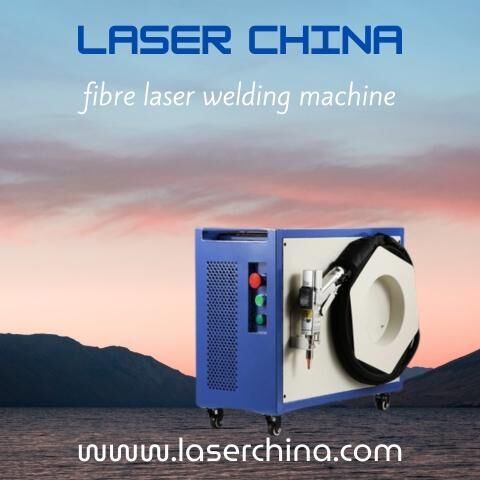
Modern manufacturing industries require welding solutions that deliver precision, speed, and consistent quality. A fibre laser welding machine is an advanced industrial solution designed to join metal components using a highly concentrated laser beam. It provides accurate welding with controlled heat input, making it suitable for various manufacturing and fabrication applications.
As industries continue to adopt advanced production technologies, laser welding is becoming an increasingly popular choice for businesses looking to improve their manufacturing processes.
What Is a Fibre Laser Welding Machine?
A fibre laser welding machine uses a fibre laser source to generate a powerful and focused beam of light. This beam creates heat on the metal surface, allowing two or more metal pieces to be joined together.
Unlike conventional welding methods, laser welding delivers energy to a concentrated area. This helps manufacturers achieve precise welds while reducing unnecessary heat exposure to surrounding materials.
These machines are commonly used for stainless steel, carbon steel, aluminium, and other compatible metal materials. Their performance depends on laser power, material thickness, welding speed, and the selected process settings.
How Does Fibre Laser Welding Work?
The welding process begins when the laser source generates a concentrated beam of light. The beam travels through an optical fibre and reaches the welding head, where it is directed onto the workpiece.
When the laser beam contacts the metal surface, it generates intense heat and melts the targeted area. As the molten material cools, it forms a strong welded joint.
Operators can adjust important parameters such as laser power, welding speed, and focal position according to the material and application. Proper parameter selection is essential for achieving smooth and consistent welding results.
Industrial Applications
A fibre laser welding machine is used across several industries because of its ability to handle different metal fabrication requirements.
Common applications include:
-
Automotive Manufacturing: Joining metal components, vehicle parts, and structural assemblies.
-
Metal Fabrication: Welding stainless steel sheets, metal cabinets, and industrial equipment.
-
Electronics Industry: Precision welding of small metal components and enclosures.
-
Kitchen Equipment: Manufacturing stainless steel appliances, sinks, and commercial kitchen products.
-
Medical Equipment: Producing selected metal instruments and precision components.
-
Hardware Manufacturing: Welding metal frames, tools, fittings, and other industrial products.
How to Choose the Right Machine
Selecting suitable laser welding equipment requires careful consideration of your production requirements. Before purchasing, evaluate the following factors:
Laser Power: Choose an appropriate power level according to the thickness and type of material you plan to weld.
Material Compatibility: Confirm that the machine supports the metals used in your manufacturing operations.
Cooling System: An effective cooling system helps maintain stable operating temperatures during production.
Welding Head: Check the welding head design, operating flexibility, and compatibility with your applications.
Technical Support: Select a supplier that offers installation guidance, operator training, maintenance assistance, and reliable after-sales service.
Budget: Compare machine specifications, warranty coverage, and long-term operating costs before making your investment.
Maintenance and Operating Considerations
Regular maintenance helps maintain welding quality and extend equipment service life. Operators should inspect optical components, clean the welding area, check cooling connections, and follow the manufacturer's maintenance schedule.
It is also important to use appropriate laser safety equipment and protective enclosures. Direct exposure to industrial laser beams can cause serious eye and skin injuries. Only trained personnel should operate the equipment according to established safety procedures.
Why Invest in Modern Laser Welding Technology?
Manufacturers are continuously searching for ways to improve production efficiency and product consistency. Modern laser welding technology provides a practical solution for businesses handling detailed metal fabrication and industrial assembly.
A properly selected fibre laser welding machine can support different production requirements, from small workshop projects to large-scale industrial manufacturing. With suitable operating parameters and regular maintenance, businesses can achieve reliable welding performance and maintain consistent production standards.
Final Thoughts
Choosing the right laser welding equipment is an important investment for any metalworking business. Understanding machine specifications, material compatibility, laser power, and maintenance requirements can help manufacturers make informed purchasing decisions.
Whether you operate a small fabrication workshop or a large manufacturing facility, a fibre laser welding machine can be a valuable addition to your production line. Work with an experienced supplier to find equipment that matches your technical requirements and long-term business goals.














