


Common Law vs Civil Law in International Disputes
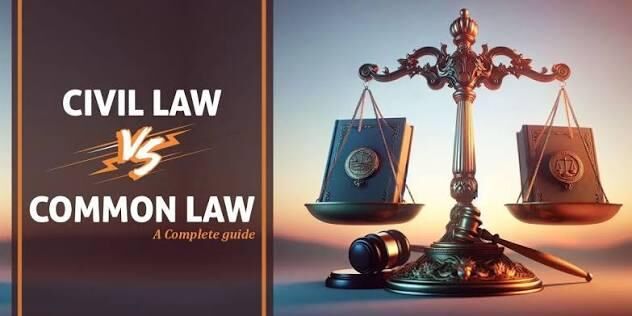
International disputes can arise when businesses sign cross-border contracts, companies operate in different countries, or individuals face legal issues involving foreign jurisdictions. Resolving these disputes often requires an understanding of the legal systems involved. One important distinction is common law vs civil law, as these two legal traditions influence how courts interpret laws, evaluate evidence, and resolve disagreements. Understanding their differences can help businesses, legal professionals, and individuals make more informed decisions when dealing with international legal matters.
Although both systems aim to provide justice and establish clear legal rules, they approach legal interpretation differently. These differences can affect litigation strategies, contract drafting, dispute resolution, and the enforcement of legal decisions across borders.
Understanding Common Law and Civil Law Systems
Before examining international disputes, it is important to understand how each legal system works.
What Is Common Law?
Common law is a legal tradition in which judicial decisions play a significant role in developing and interpreting legal principles. Courts often consider earlier decisions, known as precedents, when deciding similar cases. In many common law jurisdictions, higher court decisions guide or bind lower courts under the doctrine of precedent.
Countries such as England and Wales, the United States, and Australia have common law traditions, although their laws and court procedures differ. Statutes remain important, but judicial interpretation can influence how those statutes apply to specific circumstances.
What Is Civil Law?
Civil law systems generally place greater emphasis on comprehensive written legislation and legal codes. Judges interpret and apply these provisions to the facts of a case, using established legal methods and relevant judicial decisions where appropriate.
Countries such as France, Germany, and Spain follow civil law traditions, although each has its own legal framework. Judicial decisions may influence later cases, but their formal role differs from precedent in many common law jurisdictions.
Why Common Law vs Civil Law Matters in International Disputes
International disputes frequently involve parties from countries with different legal traditions. A contract may be signed by a British company and a French supplier, while the parties operate across several markets. If a disagreement occurs, the applicable legal system can influence how the dispute is assessed.
The choice of governing law may determine how contractual terms are interpreted, which remedies are available, and how certain obligations are understood. Procedural rules may also affect the presentation of evidence and the conduct of litigation.
Recognizing the differences between common law vs civil law helps parties identify legal risks before they become costly disputes.
Differences in Contract Interpretation
Contracts are central to international business relationships. They define responsibilities, payment terms, delivery requirements, warranties, and procedures for handling disagreements.
Contract Interpretation in Common Law
Common law courts often examine the wording of a contract alongside relevant legal principles and previous decisions. The precise language used by the parties can be particularly important, especially when a disagreement concerns the meaning of a specific clause.
Businesses operating in common law jurisdictions may therefore benefit from detailed drafting that clearly defines obligations, exceptions, and remedies.
Contract Interpretation in Civil Law
Civil law courts generally interpret contracts within the framework of applicable legislation and established legal principles. Depending on the jurisdiction, concepts such as good faith, statutory duties, and the parties' intentions may play a significant role.
This does not mean civil law contracts are always interpreted broadly or common law contracts only literally. The approach depends on the governing law, contractual language, and circumstances of the dispute.
The Role of Judicial Precedent
Judicial precedent is one of the most recognizable distinctions in common law vs civil law.
In common law systems, courts may be required to follow relevant decisions from higher courts. This can promote consistency and help parties assess how courts might approach similar disputes. However, outcomes still depend on the facts, applicable statutes, and the authority of the earlier decision.
In civil law systems, legislation generally serves as the primary formal source of law. Previous judgments may nevertheless be influential, particularly when higher courts establish consistent interpretations of legal provisions.
For international businesses, understanding how judicial decisions influence legal interpretation can help when assessing risks and preparing litigation strategies.
Differences in Evidence and Court Procedures
International disputes may involve documents, witness statements, expert opinions, electronic communications, and financial records. The way this evidence is obtained and presented depends on the relevant procedural rules.
Evidence in Common Law Proceedings
Some common law jurisdictions use extensive disclosure or discovery procedures, which may require parties to provide relevant documents before trial. Cross-examination can also play an important role in testing witness evidence.
However, these procedures vary considerably between jurisdictions and types of proceedings.
Evidence in Civil Law Proceedings
Civil law jurisdictions often give judges a more active role in directing proceedings and assessing evidence. Written submissions and documentary evidence may receive substantial attention, while the use of expert evidence and witness questioning depends on the applicable rules.
Neither approach is automatically superior. The appropriate procedure depends on the legal system, the dispute, and the evidence available.
Choosing the Governing Law and Jurisdiction
One of the most important steps in preventing international disputes is deciding which law will govern a contract and where legal proceedings may take place.
A governing-law clause identifies the legal rules used to interpret the agreement. A jurisdiction clause specifies the courts authorized to hear disputes, subject to applicable legal requirements.
These clauses should be drafted carefully because the governing law and the court's location are separate issues. A court in one country may sometimes apply the law of another country.
Businesses should also consider whether arbitration would be more suitable than court litigation. Clear dispute-resolution clauses can reduce uncertainty and help parties understand their options before entering an agreement.
Enforcing Judgments Across Borders
Winning a case does not always mean that a party can immediately recover money or enforce an order in another country. International enforcement may depend on treaties, domestic legislation, reciprocal arrangements, and the rules of the country where enforcement is sought.
Differences between common law and civil law traditions may affect legal procedures, but enforcement is not determined by those traditions alone. The countries involved, the type of judgment, and applicable international agreements are also important.
Before beginning litigation, parties should assess where the opposing party's assets are located and whether a judgment is likely to be enforceable there.
Arbitration as an Alternative to Litigation
International commercial arbitration offers another way to resolve cross-border disputes. Instead of relying on national courts to decide the merits, parties submit their disagreement to an independent arbitral tribunal under an agreed arbitration framework.
Arbitration can provide procedural flexibility, confidentiality in certain circumstances, and a neutral forum. It may be particularly useful when parties want to avoid disputes over which country's courts should hear their case.
However, arbitration also involves costs, procedural requirements, and potential enforcement challenges. The arbitration agreement should clearly identify the applicable rules, seat of arbitration, and other essential details.
Practical Challenges for International Businesses
Companies involved in cross-border transactions should not assume that familiar legal practices will apply everywhere. Differences in contract interpretation, court procedures, limitation periods, available remedies, and enforcement rules can create unexpected challenges.
Businesses can reduce these risks by reviewing contracts before signing, identifying the governing law, maintaining accurate records, and obtaining advice from qualified legal professionals in relevant jurisdictions.
Legal due diligence is particularly important for major transactions, international partnerships, supply agreements, and investments. Early preparation is generally more effective than trying to resolve uncertainty after a dispute has emerged.
Final Thoughts
The comparison of common law vs civil law is essential for understanding how different legal traditions approach international disputes. Common law systems generally give judicial precedent a prominent role, while civil law systems place greater emphasis on written legislation and legal codes. However, both traditions contain complex rules, and their practical differences vary between countries.
For international businesses and individuals, the most important consideration is not simply which system applies, but how the relevant laws affect contractual obligations, evidence, dispute resolution, and enforcement. Careful contract drafting, appropriate legal advice, and a clear understanding of cross-border procedures can help reduce uncertainty and protect legitimate interests.
By recognizing these distinctions before entering international agreements, parties can make better-informed decisions, manage legal risks more effectively, and prepare for disputes with greater confidence.

 Arabic
 English
 French
 Spanish
 Portuguese
 Deutsch
 Turkish
 Dutch
Dutch
 Italiano
 Russian
 Romaian
 Portuguese (Brazil)
 Greek
Greek
 Hrvatski
 Cehoslowakia
