


What Is Bladder Leakage a Sign Of? Understanding Urinary Incontinence and Its Causes
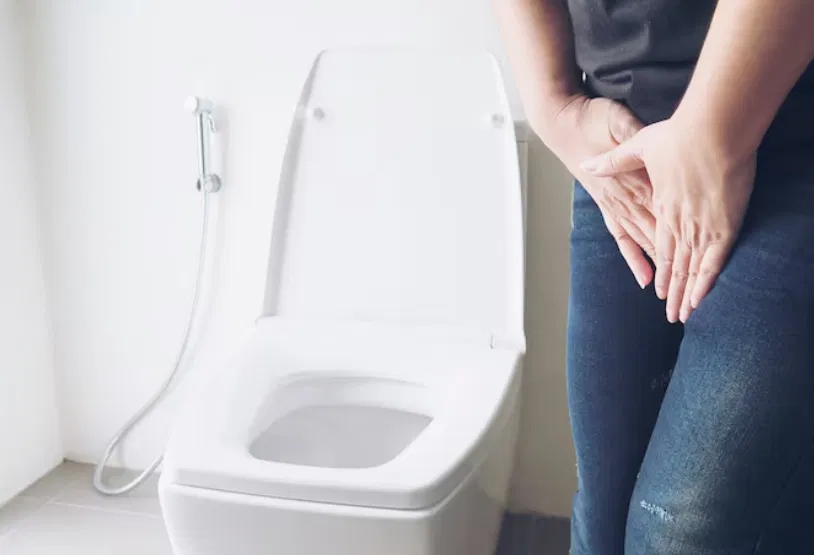
Bladder leakage is a common concern that affects people of different ages and backgrounds. Although it can sometimes feel embarrassing or uncomfortable to discuss, it is a health issue that deserves attention and proper care. Understanding what causes bladder leakage can help individuals recognize potential problems, explore treatment options, and improve their overall quality of life. Many people wonder, what is bladder leakage a sign of, especially when it begins suddenly or becomes more frequent. In many cases, leakage is associated with changes in bladder function, weakened pelvic floor muscles, or an overactive bladder.
One common condition associated with sudden and difficult-to-control urination is urge urinary incontinence. This condition occurs when a person experiences a strong, sudden need to urinate and cannot always reach the bathroom in time. Learning about the causes, symptoms, and management strategies for bladder leakage can help individuals take informed steps toward better bladder health.
What Is Bladder Leakage?
Bladder leakage, also known as urinary incontinence, refers to the unintentional loss of urine. It can happen occasionally during physical activity, when coughing or sneezing, or when a sudden urge to urinate becomes difficult to control. For some people, leakage occurs only in specific situations, while others experience frequent episodes that interfere with daily activities.
The severity of bladder leakage varies from person to person. Some individuals may notice only a few drops of urine, while others may experience larger amounts of leakage. Although bladder control can change with age, frequent or persistent leakage should not automatically be considered a normal part of aging.
Recognizing the type of leakage and identifying its possible cause are important steps toward finding an appropriate solution.
What Is Bladder Leakage a Sign Of?
When people ask, what is bladder leakage a sign of, the answer depends on their symptoms, medical history, and other health factors. Bladder leakage may be associated with several conditions, including the following.
1. Weak Pelvic Floor Muscles
The pelvic floor muscles support the bladder and help control the release of urine. Pregnancy, childbirth, aging, hormonal changes, and certain medical conditions can weaken these muscles. When pelvic floor support becomes less effective, urine may leak during activities that place pressure on the bladder.
This type of leakage is known as stress urinary incontinence. It commonly occurs when laughing, coughing, sneezing, lifting heavy objects, or exercising.
2. Overactive Bladder
An overactive bladder occurs when the bladder muscles contract involuntarily, creating a sudden and sometimes overwhelming urge to urinate. People may feel the need to use the bathroom frequently, including several times during the night.
When the urge becomes too strong to control, leakage can occur. This symptom is closely associated with urge urinary incontinence, which may affect a person's confidence, sleep, and ability to participate comfortably in everyday activities.
3. Urinary Tract Infections
A urinary tract infection can irritate the bladder and cause sudden urgency, frequent urination, discomfort, and occasionally leakage. Some individuals may also experience burning during urination, cloudy urine, or lower abdominal discomfort.
If bladder leakage begins suddenly and is accompanied by these symptoms, medical evaluation is important. A healthcare professional can determine whether an infection is present and recommend appropriate treatment.
4. Medication or Lifestyle Factors
Certain medications, including some diuretics, can increase urine production and make bladder control more challenging. Caffeine and alcohol may also aggravate urgency in some individuals.
Drinking excessive amounts of fluid over a short period can increase bathroom visits, while inadequate fluid intake may contribute to concentrated urine that irritates the bladder. Maintaining balanced hydration and reviewing medications with a healthcare professional can help identify contributing factors.
5. Other Medical Conditions
Bladder leakage can sometimes be associated with diabetes, neurological conditions, constipation, or difficulties emptying the bladder completely. Conditions affecting the nervous system may interfere with the signals between the brain and bladder.
Persistent symptoms should be evaluated rather than attributed to one specific cause without a proper assessment.
Understanding Urge Urinary Incontinence
Urge urinary incontinence is characterized by urine leakage that follows a sudden, intense urge to urinate. The urge may appear with little warning, leaving limited time to reach a restroom.
People with this condition may experience frequent bathroom trips, nighttime urination, or difficulty postponing urination even for a short period. Certain triggers, such as running water, arriving home, or being exposed to cold temperatures, may prompt an urgent need to urinate in some individuals.
The condition can affect people of all ages, although its likelihood may increase with age and certain health conditions. It can also occur alongside stress urinary incontinence, a combination sometimes called mixed urinary incontinence.
Understanding the symptoms helps individuals describe their experiences accurately during medical appointments and receive appropriate guidance.
Common Symptoms to Recognize
Bladder leakage may occur alongside several symptoms that provide clues about its underlying cause.
Common signs include frequent urination during the day, waking repeatedly at night to urinate, sudden urgency, accidental urine loss, and difficulty postponing bathroom visits. Some individuals may notice leakage during exercise, coughing, or sneezing, while others experience it primarily after a strong urge.
Keeping a bladder diary can help identify patterns. Recording fluid intake, bathroom visits, leakage episodes, and possible triggers provides useful information for a healthcare professional.
Sudden leakage accompanied by fever, painful urination, blood in the urine, or significant pelvic discomfort requires prompt medical attention. New bladder control problems accompanied by severe back pain, leg weakness, numbness around the groin, or loss of bowel control require emergency evaluation.
Treatment Options for Bladder Leakage
Treatment depends on the cause, the severity of symptoms, and the individual's overall health. Fortunately, many people can improve bladder control through a combination of lifestyle changes, behavioral strategies, and medical care.
Pelvic Floor Exercises
Pelvic floor exercises, commonly called Kegel exercises, strengthen the muscles involved in bladder control. A healthcare professional or pelvic floor physical therapist can help individuals identify the correct muscles and develop an appropriate routine.
Consistent practice may reduce leakage for some people, particularly when weakened pelvic floor muscles contribute to their symptoms.
Bladder Training
Bladder training involves gradually developing a more predictable bathroom schedule and learning techniques to manage urgency. Individuals may begin with manageable intervals between bathroom visits and slowly increase them under appropriate guidance.
For people experiencing urge urinary incontinence, relaxation techniques and controlled breathing may help them respond to sudden urges without immediately rushing to the bathroom.
Lifestyle Adjustments
Reducing caffeine, limiting alcohol, treating constipation, and maintaining a healthy weight may improve symptoms for some individuals. It is also important to drink adequate fluids rather than severely restricting water intake.
Making small adjustments and monitoring their effects can help individuals discover which habits influence their bladder symptoms.
Medical Treatment
When lifestyle changes are insufficient, healthcare professionals may recommend medication, pelvic floor therapy, or other treatments depending on the diagnosis. Some medications help relax the bladder or reduce involuntary contractions. In selected cases, specialized procedures may also be considered.
A medical evaluation helps determine which treatment is appropriate and whether an underlying condition requires attention.
When Should You Seek Medical Advice?
Occasional leakage may seem minor, but repeated episodes can affect sleep, work, exercise, travel, and social activities. Seeking medical advice is especially important when symptoms are new, worsening, persistent, or interfering with daily life.
A healthcare professional may review symptoms, medications, fluid intake, and medical history. Depending on the situation, evaluation may include a urine test, physical examination, bladder diary, or assessment of how well the bladder empties.
Early evaluation can help identify treatable causes and reduce the risk of unnecessary discomfort or complications.
Conclusion
Understanding what is bladder leakage a sign of begins with recognizing that urinary incontinence can have several causes, ranging from weakened pelvic floor muscles to bladder irritation, infections, and other medical conditions. Identifying the pattern of leakage is an important step toward receiving appropriate care.
Urge urinary incontinence is one possible explanation, particularly when a sudden, intense need to urinate leads to accidental urine loss. Although bladder leakage can be frustrating, effective management options are available for many individuals. Through professional evaluation, appropriate treatment, and practical lifestyle adjustments, people can often improve bladder control and feel more confident in their everyday lives.
Bladder leakage should never be a source of shame. Understanding the symptoms and seeking help when needed can make a meaningful difference in long-term bladder health and overall well-being.
 English
 Arabic
 French
 Spanish
 Portuguese
 Deutsch
 Turkish
 Dutch
Dutch
 Italiano
 Russian
 Romaian
 Portuguese (Brazil)
 Greek
Greek
 Hrvatski
 Cehoslowakia