


Nesbit Flexible Partial Denture and Upper Acrylic Partial Denture: A Guide to Comfortable Tooth Replacement
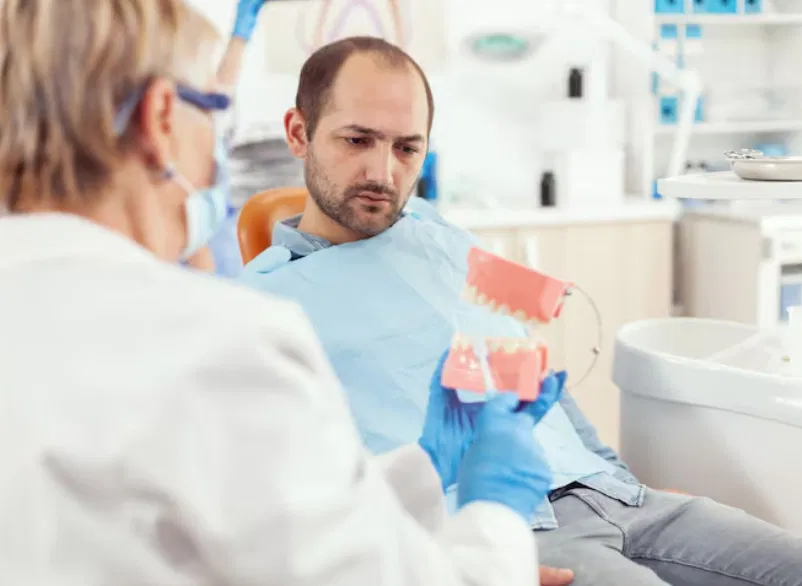
Missing teeth can affect more than just the appearance of a smile. They can make chewing difficult, change speech patterns, and reduce confidence in social situations. Fortunately, modern dental solutions offer several ways to replace missing teeth and restore everyday comfort. Among these options, a nesbit flexible partial denture and an upper acrylic partial denture are popular choices for people who need to replace one or more missing teeth without committing to a permanent dental restoration.
Understanding the differences between these dental appliances, their benefits, and their maintenance requirements can help patients make informed decisions. Although both options are designed to fill gaps in the smile, they differ in materials, design, fit, and suitability for individual dental needs.
Understanding Partial Dentures
A partial denture is a removable dental appliance designed to replace missing teeth while preserving the remaining natural teeth. Unlike complete dentures, which replace all teeth in an arch, partial dentures are intended for patients who still have some healthy natural teeth.
Partial dentures can improve chewing efficiency, support clearer speech, and help maintain a more complete appearance. They are available in different materials and designs, allowing dentists to recommend an option based on the number and location of missing teeth, gum health, bite alignment, and personal preferences.
Two commonly considered choices are flexible partial dentures and acrylic partial dentures. Each offers specific advantages, and the right solution depends on the patient's oral health and expectations.
What Is a Nesbit Flexible Partial Denture?
A nesbit flexible partial denture is a removable appliance designed primarily to replace a single missing tooth or a small number of teeth in a limited area. It is commonly made from flexible, gum-colored thermoplastic material that can provide a discreet appearance when worn.
The design generally includes a replacement tooth attached to a flexible base that fits around supporting areas of the mouth. Depending on the specific design, the appliance may use flexible extensions to help maintain its position without the appearance of traditional metal clasps.
One reason patients consider this option is its relatively lightweight construction. Flexible materials can adapt comfortably to the contours of the mouth, although the actual fit depends on the patient's anatomy and the quality of the dental fabrication.
A nesbit flexible partial denture may be considered for patients who want a removable replacement for a missing tooth without undergoing a more involved restorative procedure. However, it is not appropriate for every missing-tooth situation. A dental professional should evaluate the surrounding teeth, bite forces, and gum condition before recommending this type of appliance.
Benefits of a Nesbit Flexible Partial Denture
One of the primary benefits of a flexible partial denture is its natural-looking appearance. Gum-colored material can blend with the surrounding oral tissues, helping the replacement tooth look less noticeable during everyday activities.
Comfort is another potential advantage. The flexible base may feel less rigid than some traditional denture designs, especially for patients who find hard acrylic or visible metal components uncomfortable. Its relatively compact construction can also make it convenient for replacing a tooth in a limited area.
Other potential benefits include:
- Discreet design: Flexible materials can provide a more natural appearance around the gumline.
- Removable convenience: The appliance can be taken out for cleaning and maintenance.
- Conservative treatment approach: It may offer a tooth-replacement option without requiring surgery.
- Lightweight construction: Some patients find flexible appliances comfortable for everyday wear.
- Personalized fit: The appliance can be fabricated to match the patient's individual dental anatomy.
Despite these advantages, flexible partial dentures have limitations. They may not provide the same stability as other restorations in every situation, and their suitability depends on the location of the missing tooth and the forces generated during chewing. Patients should follow professional instructions regarding wear, cleaning, and replacement.
What Is an Upper Acrylic Partial Denture?
An upper acrylic partial denture is a removable appliance designed to replace missing teeth in the upper jaw. It generally consists of artificial teeth attached to a rigid acrylic resin base that rests against the gums and the roof of the mouth, depending on its design.
This option can replace several missing upper teeth and may be suitable for patients who retain some natural teeth. Acrylic partial dentures are commonly considered when affordability, straightforward fabrication, or the possibility of future adjustments is important.
The appliance is customized to the patient's mouth. A dentist or dental laboratory selects suitable replacement teeth and shapes the acrylic base to provide an appropriate fit. Depending on the design, additional components may help the denture remain secure during speaking and chewing.
An upper acrylic partial denture can be useful as a temporary restoration during a treatment process or as a longer-term removable option for selected patients. Its role depends on the patient's oral health, the quality of the fit, and the dentist's treatment recommendations.
Advantages of an Upper Acrylic Partial Denture
A major advantage of acrylic partial dentures is their versatility. They can be designed to replace multiple missing teeth across the upper arch, making them useful for patients with larger gaps in their smile.
Cost is another important consideration. Acrylic appliances are often more economical than certain alternative restorations, although the final price varies according to the number of teeth replaced, laboratory requirements, dental examinations, and any necessary adjustments.
Additional benefits include:
- Broad replacement capability: The appliance can replace several missing teeth in the upper jaw.
- Customized appearance: Artificial teeth can be selected to complement the remaining natural teeth.
- Repair and adjustment potential: Certain acrylic designs can be modified or repaired by a dental professional.
- Removable maintenance: Patients can remove the appliance for cleaning.
- Flexible treatment planning: Acrylic partials may serve as temporary or longer-term restorations when clinically appropriate.
However, acrylic dentures can feel bulkier than some alternatives, particularly when the design covers a significant portion of the palate. They may also require adjustments as the mouth changes over time.
Comparing Flexible and Acrylic Partial Dentures
Choosing between these two options requires considering the number of missing teeth, the position of the gap, comfort expectations, appearance, and overall dental health.
A nesbit flexible partial denture is generally associated with replacing a single tooth or a limited number of teeth in a small area. Its flexible construction may offer a discreet appearance and a compact design.
An upper acrylic partial denture is intended for missing teeth in the upper jaw and can often accommodate several replacement teeth. Its rigid acrylic base provides a different type of support, and the appliance may be easier to modify in certain circumstances.
Neither option is universally better. A flexible appliance may be appropriate for one patient but unsuitable for another because of bite pressure, gum conditions, or the position of the remaining teeth. Similarly, an acrylic partial denture may offer broader coverage but feel less comfortable for someone who prefers a smaller appliance.
A professional examination helps determine which design is most likely to provide a suitable balance of appearance, function, and comfort.
Caring for Partial Dentures
Proper care is essential for maintaining a partial denture and protecting the remaining natural teeth. Both flexible and acrylic appliances should be cleaned regularly according to the manufacturer's and dentist's instructions.
Remove the appliance as directed and clean it using products suitable for its specific material. Ordinary toothpaste may be too abrasive for some denture surfaces, while hot water can distort certain flexible materials. Use a soft brush and an appropriate denture cleanser whenever recommended.
Patients should also clean their natural teeth and gums carefully. Plaque can accumulate around supporting teeth and beneath removable appliances, potentially increasing the risk of gum inflammation and tooth decay.
Avoid bending a flexible partial denture or attempting to reshape an acrylic appliance at home. If the denture becomes loose, uncomfortable, cracked, or difficult to insert, arrange a professional assessment. Regular dental visits help identify fit problems before they cause more significant irritation.
Making the Right Tooth-Replacement Decision
Replacing missing teeth is an important step toward improving oral function and maintaining confidence. The right appliance should fit comfortably, look natural, and support the patient's daily needs without placing unnecessary stress on the remaining teeth.
A nesbit flexible partial denture may be worth discussing when a patient needs a compact, removable replacement for a missing tooth. An upper acrylic partial denture may be more suitable when several upper teeth require replacement or when a customized acrylic solution fits the treatment plan.
Patients should also ask about alternative treatments, including dental bridges and implants, where appropriate. These options differ in cost, treatment time, maintenance, and suitability, so an individualized assessment is essential.
Ultimately, the best choice is the one that meets the patient's clinical needs while providing dependable function and manageable long-term care. With professional guidance, proper hygiene, and regular follow-up appointments, a well-designed partial denture can help restore a more complete smile and make everyday activities more comfortable.
 English
 Arabic
 French
 Spanish
 Portuguese
 Deutsch
 Turkish
 Dutch
Dutch
 Italiano
 Russian
 Romaian
 Portuguese (Brazil)
 Greek
Greek
 Hrvatski
 Cehoslowakia